19 Free Nihilism Books [PDF]
by InfoBooks
Looking for nihilism books? We've gathered 19 free nihilism books in PDF, covering the philosophy of nihilism, Nietzsche and the death of God, moral nihilism, pessimism and the Russian nihilists.
These are the books that shaped the debate on meaning, values and truth, from Friedrich Nietzsche and Arthur Schopenhauer to Max Stirner. Some ask if life has any meaning at all, others look for a way through.
Start with the basics or jump to a thinker you already know. Every book is free to read online or download as PDF.
Download every book on this page in one click
Sign in with Google and grab them all without going one by one.
We will redirect you to accounts.google.com to complete sign-in.
Email and name only · We never send spam
Download every book on this page in one click
Get them all together, without going one by one.
Direct download · One ZIP file
Download started. Check your downloads folder for the ZIP.
Nihilism Philosophy Books
New to nihilism? These books explain what it claims, where the idea came from and how philosophers answer the question of the meaning of life.
-

James Tartaglia argues that human life has no meaning in any grand sense, and ten philosophers push back on his case for nihilism. He answers each of them, so you get a real debate on meaning, value, consciousness and how to live without a cosmic purpose.
Verified PDF · Secure download -
A short academic article on how Christos Yannaras answers Western nihilism with apophaticism, the negative way of knowing in Eastern Christian theology. Useful if you want to see how a religious thinker responds to the claim that nothing can ground our knowledge or values.
Verified PDF · Secure download
Nietzsche Nihilism Books
For Friedrich Nietzsche, the death of God meant losing the ground that gave every value its weight. These books show how he named the crisis of European nihilism and why he wanted to overcome it.
-

Nietzsche's fast summary of his late philosophy, written in a few days in 1888. He takes a hammer to the idols of reason, morality and religion, and shows how the true world became a fable. Short and punchy, it is a good way into his thinking on lost values.
Verified PDF · Secure download





Moral Nihilism Books
Moral nihilism makes a precise claim: there are no objective moral facts. These texts explore error theory, moral skepticism and Max Stirner's radical egoism.

Philosophical Pessimism Books
Pessimism doesn't say life lacks meaning, it says existence holds more suffering than good. Arthur Schopenhauer is the starting point, joined by Sully and Leopardi, who carried the idea through the 19th century.



Russian Nihilism Books
The word nihilism became famous in Russia in the 1860s, after Turgenev's novel Fathers and Sons. These firsthand accounts by Stepniak and Kropotkin show what the young nihilists believed and why the government feared them.


Nihilism is rarely the last word in these books. More often, it's the question that makes everything else worth asking.
Want to keep going? Our Existentialism Books pick up where nihilism leaves off, and you'll find more schools of thought in our Philosophy Books collection.
You Might Also Like

Existentialism Books
Freedom, meaning, authenticity. The philosophy of individual existence and choice.

Friedrich Nietzsche Books
Friedrich Nietzsche, Thus Spoke Zarathustra, the will to power. His major works, from The Birth of Tragedy to Ecce Homo.
Arthur Schopenhauer Books
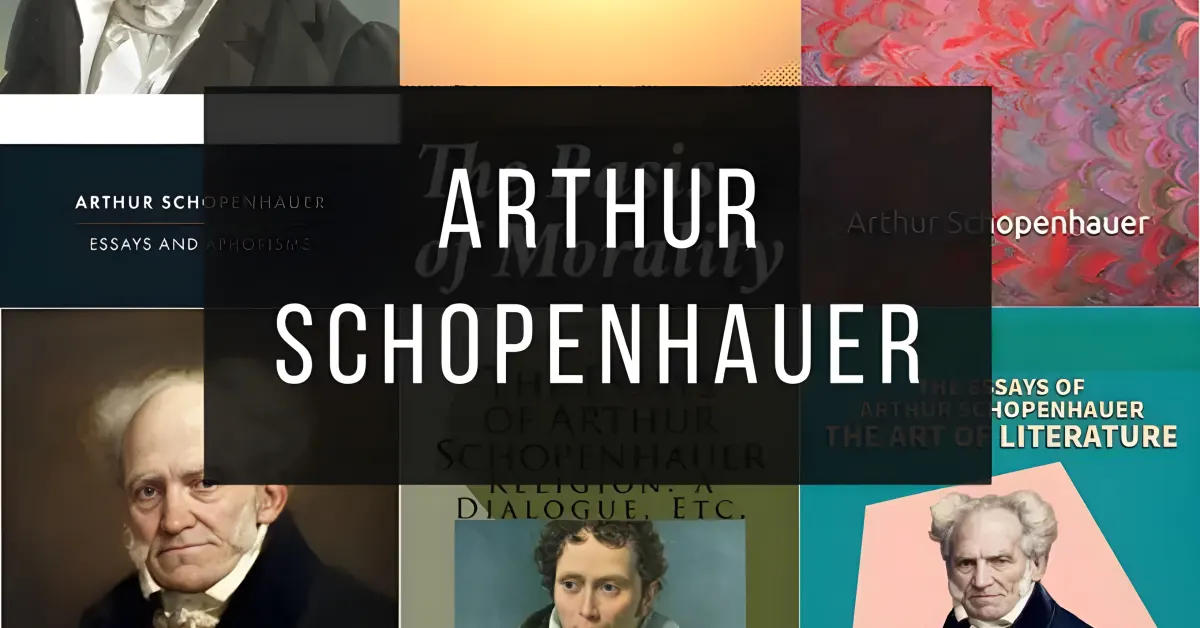
Schopenhauer books, pessimism, Parerga and Paralipomena. His main treatise and best known essays, free to read in PDF.

Ethics Books
Morality, values, right and wrong. Philosophical inquiry into what it means to live well.

Stoicism Books
Virtue, control, resilience. The ancient philosophy of inner strength and calm.