Looking for dystopian short stories you can finish in one sitting? Here you'll find tales of surveillance states, machine-run cities, population control, utopias gone wrong and worlds rebuilt after the collapse.
Long before Ray Bradbury wrote The Pedestrian, E. M. Forster imagined people living underground and talking only through screens. You'll also find Kurt Vonnegut, Philip K. Dick, H. G. Wells and Jack London, each with a different nightmare about where society is heading.
Every story here is complete and short enough to read in one class or over one coffee. All of them are free to read online or download as PDF.
📚
Download every book on this page in one click
Sign in with Google and grab them all without going one by one.
We will redirect you to accounts.google.com to complete sign-in.
Email and name only · We never send spam
Access unlocked
Download every book on this page in one click
Get them all together, without going one by one.
Direct download · One ZIP file
Download started. Check your downloads folder for the ZIP.
Classics
Classic Dystopian Short Stories
These classics set the rules of dystopian fiction: a society that promises order and asks for freedom in return. Most were written before 1940, yet their warnings about screens, crowds and control are more relevant today than when they were written.
Humanity lives underground in separate cells, talking through screens and worshipping the Machine that runs everything. Written in 1909, it predicted video calls, online lectures and life inside a network.
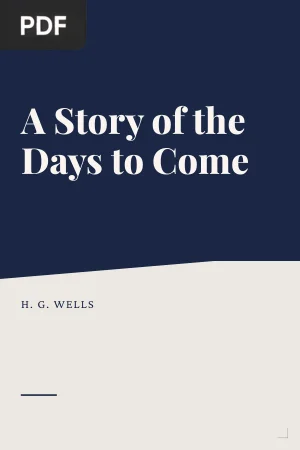
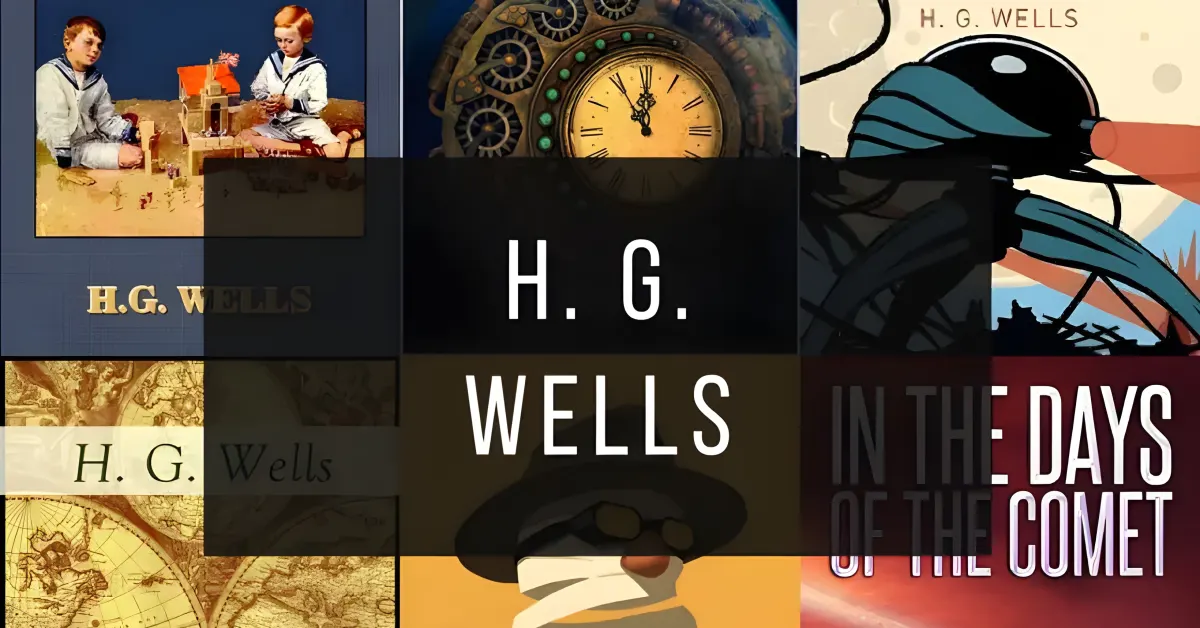
In the London of the year 2100 the countryside is empty, the rich live in giant glass cities and the poor work in blue uniforms for the Labour Company. Two young lovers try to escape. H. G. Wells's 1899 novella about advertising, hypnotism and class.
In a collectivist future the word for a single self has been erased from the language. A short, stark novella about a man who rediscovers the idea of the individual.
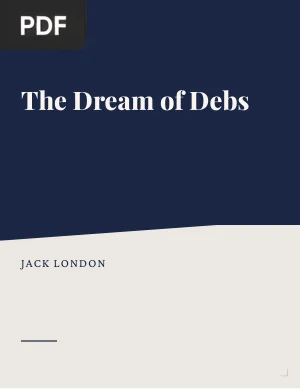
A general strike shuts down San Francisco overnight: no food, no transport, no news, and a wealthy man finds out how long his money lasts. Jack London's 1909 story of class revolt, told from the losing side.
If you liked Harrison Bergeron, these Kurt Vonnegut stories from 1950s and 1960s science fiction magazines share its sharp, funny bite. He imagines a world without old age or disease, then shows you the bill.
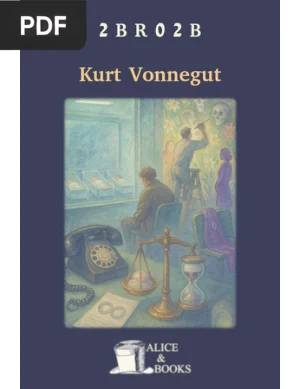
In a future without disease or old age, a baby can only be born when someone volunteers to die. A short, dark satire from Kurt Vonnegut, first published in 1962.
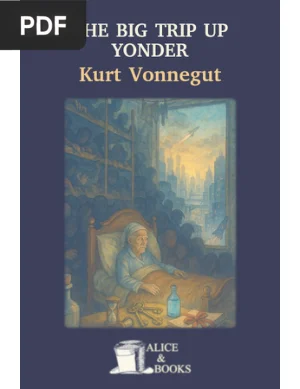
A drug that stops aging has packed several generations into one tiny apartment, where everyone waits for great-grandpa to give up his bed. Vonnegut's comic 1954 take on overpopulation.
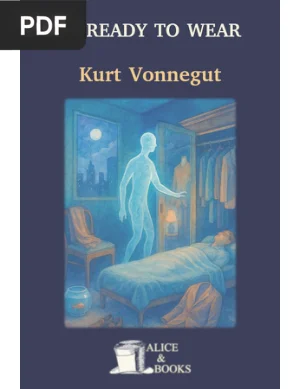
Humanity has learned to leave its bodies in storage and drift around as free minds, while a few holdouts insist on staying in the flesh. A sly 1954 satire from Kurt Vonnegut about what people would give up to escape themselves.
What happens after the bombs, the plague or the machines win? These post-apocalyptic short stories by Philip K. Dick, Jack London and H. G. Wells follow the few people who are left.
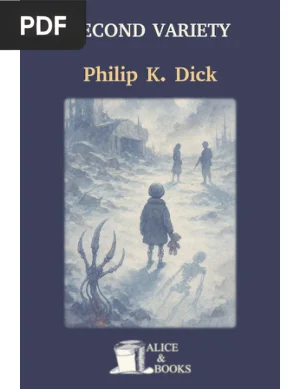
After a nuclear war, self-replicating killer robots start building new models that look exactly like people. One of Philip K. Dick's most famous stories and the basis for the film Screamers.
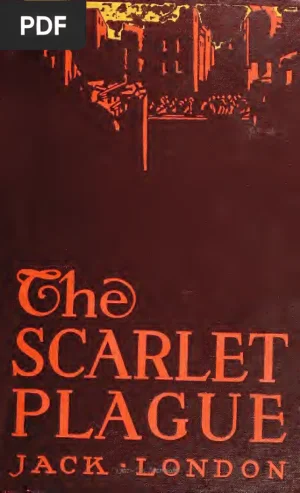
Sixty years after a pandemic wiped out nearly everyone, an old survivor tries to explain the vanished world to grandchildren who barely believe him. A short, bleak study of how fast knowledge disappears.
Humanity has hidden underground for eight years while robots fight the nuclear war on the surface. Then a team goes up to see the damage for themselves. A 1953 Philip K. Dick story with a clever twist.
Explorers reach a planet destroyed by nuclear war, and an automatic gun still standing guard shoots them down. A 1952 Philip K. Dick story about a weapon that keeps fighting long after its makers are gone.
On a train, a stranger describes a life he dreamed in the future, where he chose love over power and watched a world war in the air destroy everything. H. G. Wells's 1901 vision of the end of a civilization.
Every dystopia starts as someone's perfect world, and these utopian short stories show that dream up close. Dostoevsky, Rokeya Sakhawat Hossain and Edward Bellamy each imagine a better society, from a sinless planet to a land run by women.
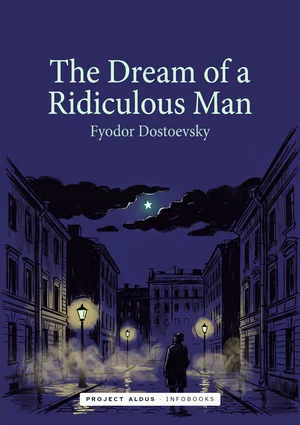
A man ready to end his life dreams he is carried to a distant planet where no one has ever sinned, and watches what happens after he arrives. Our own Project Aldus edition of Dostoevsky's 1877 story about a lost paradise.
A woman dreams of Ladyland, a country where women run science and government while men stay at home. Written in 1905 by Rokeya Sakhawat Hossain, it is one of the first feminist utopias and a sharp, funny reversal of purdah.
A traveler dozes off on a train and wakes in a world where books read themselves aloud, clocks speak the hour and letters arrive as recordings. Edward Bellamy's short 1889 utopia of everyday technology.
Send this page to someone who’d love to read it. Everything is free, no sign-up needed.
Esc
Start typing to search...
Searching...
No results found
Try different search terms
Your book is downloading!
If InfoBooks helped you, you can support us in one click: add us as a preferred source on Google. You'll see more of our books when you search, and you'll help us keep sharing free reading with everyone.
Done! Your book is downloading
Know someone who’d enjoy reading it? Send them this page. It’s free, no sign-up needed, and you help us spread the love of reading.