Free comedy books in PDF collect centuries of wit, satire, and laugh out loud storytelling. From English parlor farce to Russian absurdism, this selection gathers 20 public domain classics ready to read or download.
You will find P. G. Wodehouse's Jeeves stories, Mark Twain's American humor, Oscar Wilde's sharpest play, and the philosophical satire of Voltaire, Cervantes, and Rabelais. Each book survived because readers kept laughing centuries after the author put down the pen.
Pick a title, download the PDF, and start reading for free. Some titles make you chuckle on the first page, others build their humor through irony, parody, and slapstick.
📚
Download every Comedy book on this page
All the books on this page in one ZIP file, instead of downloading them one by one.
We will redirect you to accounts.google.com to complete sign-in.
Email and name only · We never send spam
Access unlocked
Download every Comedy book on this page
All the books on this page in one ZIP file, instead of downloading them one by one.
Direct download · One ZIP file
Download started. Check your downloads folder for the ZIP.
Classic
Classic British Humor Books
British comedy novels turned understatement and social awkwardness into an art form. These eight titles cover Edwardian wit, Victorian parody, and early twentieth century absurdism.
Eight short stories that introduce Bertie Wooster and his unflappable valet Jeeves, the pair that defined twentieth century English comedy. Expect absurd schemes, foolish aristocrats, and a butler who always has the last word.
A young American composer tangles with the eccentric Marshmoreton family in this Wodehouse romance set around a crumbling English castle. Mistaken identities, scheming aunts, and crisp Edwardian banter carry the plot from first page to last.
One of Wodehouse's earliest school novels follows a house prefect whose unruly uncle suddenly enrolls as a junior student. Cricket matches, dormitory mischief, and gentle satire of English boarding school life fill the pages.
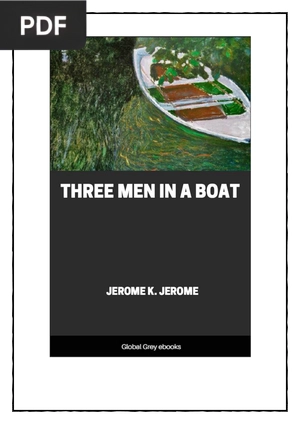
Three friends and a fox terrier paddle up the Thames in 1889 and discover that rowing, camping, and cooking are much harder than they look. Jerome's tangents on history, food, and human laziness made this one of the most quoted comic novels in English.
Dickens's first novel sends the genial Samuel Pickwick and his club across the English countryside in a string of episodic adventures. Legal farce, tavern scenes, and a gallery of unforgettable characters mark the arrival of the Victorian comic novel.
Wilde's sharpest play turns Victorian manners into a battlefield of wit, invented identities, and unforgettable one-liners. Three short acts contain most of the best dialogue ever written for the English stage.
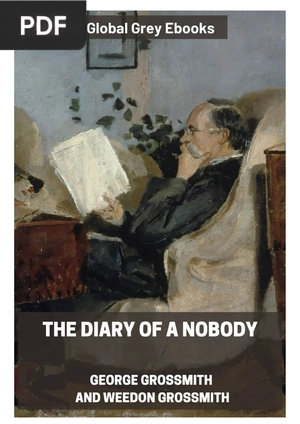
Charles Pooter, a London clerk with an oversized sense of dignity, records the small triumphs and daily humiliations of his suburban life. A pioneering exercise in comic self-importance that invented the unreliable comic narrator.
Huxley's second novel follows a group of London artists and intellectuals drifting through post World War One England. Dark wit, literary parody, and a clear-eyed view of interwar disillusion make it an early classic of modern satire.
American humor leans on tall tales, regional voices, and self deprecation. Mark Twain shaped most of the tradition, and Anita Loos gave it a Jazz Age twist.
Huck and the runaway Jim float down the Mississippi on a raft in the book that Hemingway said started all of modern American literature. Twain uses frontier voices and river adventures to deliver one of the funniest and sharpest moral tales in the language.
Tom Sawyer fakes illnesses, tricks friends into whitewashing fences, and stumbles into real danger in the Missouri of Twain's own boyhood. A comic portrait of childhood that still reads fresh almost a century and a half after publication.
Twain's account of an 1867 steamship tour of Europe and the Holy Land is the bestselling travel book of nineteenth century America. It is also a nonstop comic demolition of tourist piety, bad food, and the gap between guidebooks and reality.
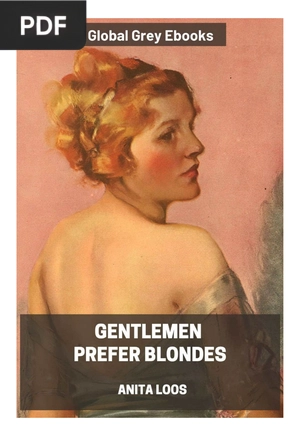
Lorelei Lee, a Jazz Age gold digger with a faulty grasp of spelling and a flawless grasp of men, records her European tour in a diary that became the comic voice of the 1920s. Anita Loos turned a running joke into a pocket-sized classic of American humor.
Satire uses laughter to question power, religion, and human folly. These eight books belong to the European tradition that runs from Chaucer to Voltaire and Cervantes.
The first modern novel is also one of the funniest ever written. A Spanish gentleman reads too many chivalric romances, sets out to revive knight errantry, and drags his peasant neighbor Sancho Panza through a comic masterpiece that reshaped fiction forever.
Rabelais turned Renaissance France upside down with the stories of two giant kings, their appetites, their wars, and their philosophical brawls. Crude, learned, and wildly inventive, it remains the founding text of Western literary satire.
Voltaire's short masterpiece sends a naive young hero through earthquakes, wars, and philosophical disasters to test the claim that this is the best of all possible worlds. Sharp, brutal, and still the most quotable piece of philosophical comedy in print.
Sterne's eighteenth century novel tries to tell the life of its narrator and keeps getting hopelessly sidetracked. Digressions, blank pages, and typographical jokes make it the most experimental comic novel ever written, centuries ahead of its time.
Thirty pilgrims ride to Canterbury telling each other stories to pass the time. Chaucer's fourteenth century framework produced some of the earliest and funniest comedy in English, from the bawdy Miller's Tale to the moral twists of the Pardoner.
Erdman's banned 1932 play follows an unemployed Soviet everyman whose planned suicide turns him into a reluctant celebrity courted by every faction in Stalin's Russia. A savage farce that Stanislavski called a Russian classic the moment he read it.
Shaw frames a comedy of manners around his theory of the Life Force and slips in a full philosophical dream sequence set in Hell. The result is a play that is funny, didactic, and utterly unlike anything else on the stage.
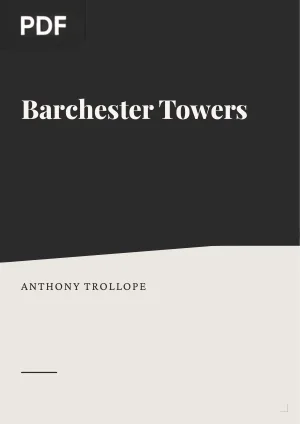
Trollope turns a cathedral town into a battlefield of clerical ambition, wounded pride, and marriage plots. Second in the Barsetshire series, it is the novel most readers still pick as his funniest and most quotable.
If InfoBooks helped you, you can support us in one click: add us as a preferred source on Google. You'll see more of our books when you search, and you'll help us keep sharing free reading with everyone.