Perpetual Peace by Immanuel Kant [PDF]
by InfoBooks
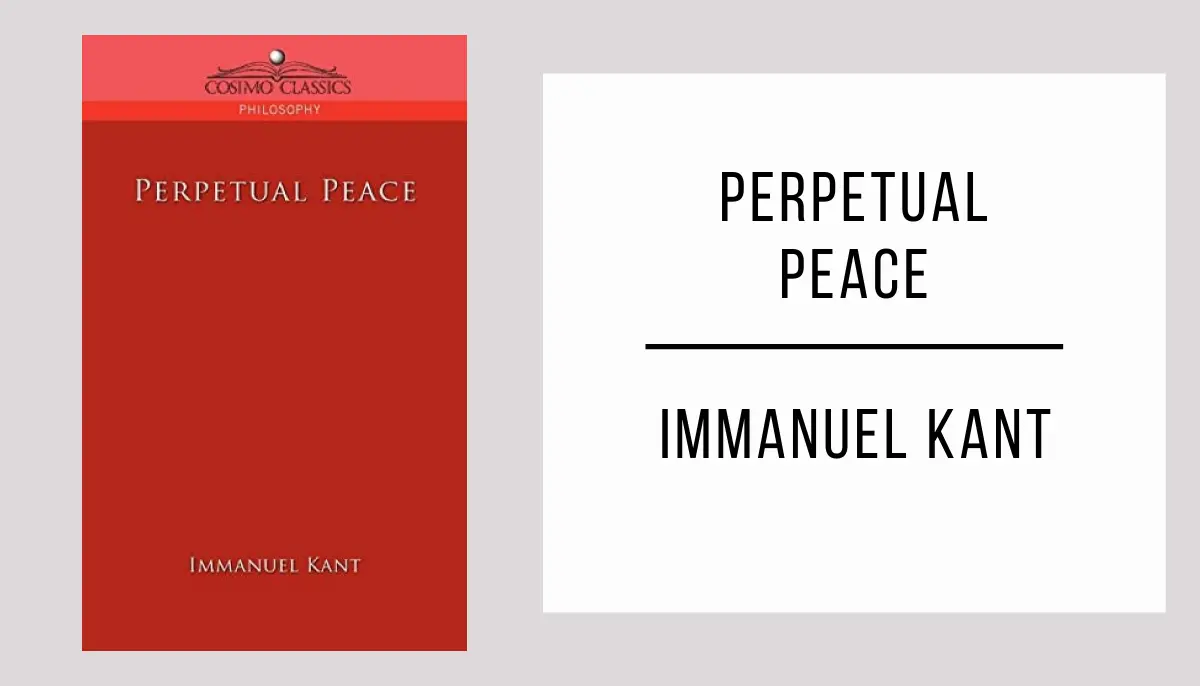
"Perpetual Peace" by Immanuel Kant is a masterpiece that immerses us in a profound analysis of the possibility of achieving lasting peace in the world.
Download "Perpetual Peace" in PDF format for free right now and embark on an intellectual journey that will challenge your perceptions and invite you to reflect on peace and its importance in our current world.
Don't miss the opportunity to read "Perpetual Peace" and discover Kant's unique vision of lasting peace. Immerse yourself in his captivating prose and be inspired by the revolutionary ideas he expressed in its pages.
Perpetual Peace by Immanuel Kant
*Please wait a few seconds for the document to load, the time may vary depending on your internet connection. If you prefer, you can download the file by clicking the link below.
Loading PDF...
Information: Perpetual Peace
- Author: Immanuel Kant.
- Publication Date: 1795.
- Brief Summary: "Perpetual Peace" is a philosophical essay written by Immanuel Kant in which he explores the possibility of achieving lasting peace in the world. Kant analyzes the necessary conditions for achieving this peace and reflects on the roles of politics, law, and morality in the process.
- Thematic Analysis: "Perpetual Peace" addresses themes such as peace, international law, politics, and ethics, focusing on the quest for a world order based on just and rational principles.
- Historical Context: "Perpetual Peace" was written during a historical period marked by wars and international conflicts. It is framed within the Enlightenment thinking of the time, which sought to establish the foundations for the construction of a more just and peaceful society.
Collection
Books by Immanuel Kant
Here is our complete collection of free books by Immanuel Kant
 Critique of Judgment
 Critique of Practical Reason
 Critique of Pure Reason
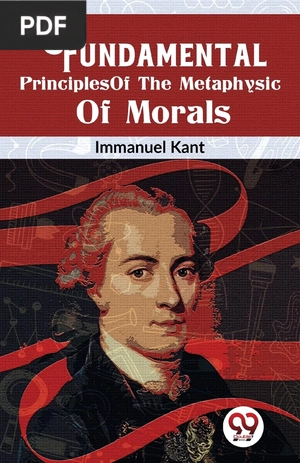 Fundamental Principles of the Metaphysic of Morals
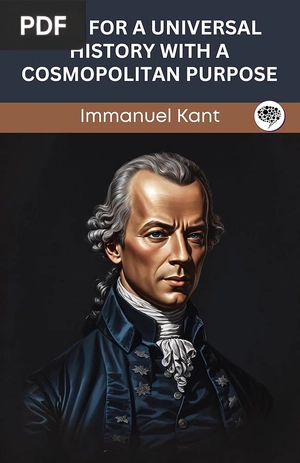 Idea for a Universal History with a Cosmopolitan Purpose
 Logic
Logic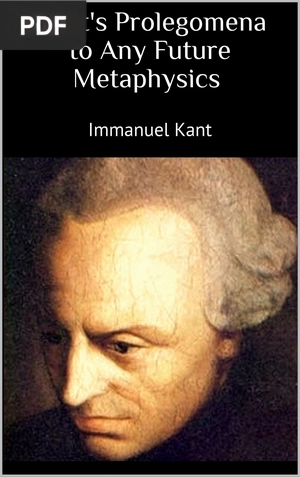 Prolegomena to Any Future Metaphysics
 Religion within the Bounds of Bare Reason
 The Educational Theory
 The Form and Principles of the Sensible and Intelligible
 The Metaphysical Elements of Ethics
 What Is Enlightenment?