What Is Enlightenment? by Immanuel Kant [PDF]
by InfoBooks
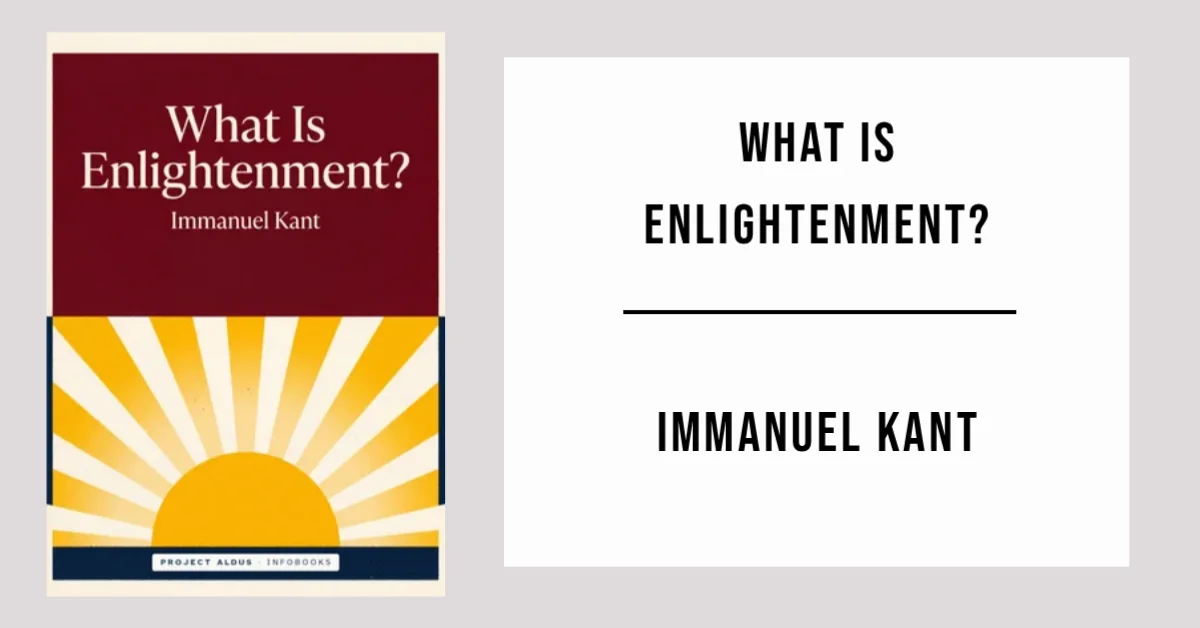
In September 1784 two German philosophers answered the same question without having read each other. In a footnote to What Is Enlightenment?, Immanuel Kant admits he has only just heard of Moses Mendelssohn's reply, and that he would have held his own back had it reached him first.
This version of What Is Enlightenment? in PDF is our own edition from Project Aldus: the complete essay, set so you can come back to any argument and find it in seconds.
The download is free and needs no sign-up. One click and the whole essay is yours, from "Sapere aude!" to Kant's signature in Königsberg.
What Is Enlightenment? by Immanuel Kant
*Please wait a few seconds for the document to load, the time may vary depending on your internet connection. If you prefer, you can download the file by clicking the link below.
Loading PDF...
Information: What Is Enlightenment?
- Author: Immanuel Kant.
- Publication Date: 1784.
- Brief Summary: "What is Enlightenment?" is an essay written by Immanuel Kant in which he explores the concept of Enlightenment and its importance in society. He argues that Enlightenment is the process of liberating oneself from the tutelage of authority and engaging in autonomous thinking. Kant advocates for the necessity of using reason and criticism instead of blindly accepting traditional beliefs.
- Thematic Analysis: Kant's "What is Enlightenment?" addresses themes such as autonomy, reason, criticism, intellectual freedom, and emancipation of thought. Immanuel Kant defends the significance of Enlightenment as an intellectual movement that fosters the development of autonomy and the ability to think independently.
Collection
Books by Immanuel Kant
Here is our complete collection of free books by Immanuel Kant
-
 Fundamental Principles of the Metaphysic of Morals
 -
 Critique of Judgment
 -
 Critique of Practical Reason
 -
 Critique of Pure Reason
 -
 Idea for a Universal History with a Cosmopolitan Purpose
 -
 Logic
Logic -
 Perpetual Peace
 -
 Prolegomena to Any Future Metaphysics
 -
 Religion within the Bounds of Bare Reason
 -
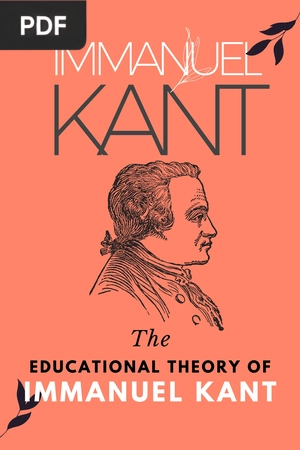 The Educational Theory
 -
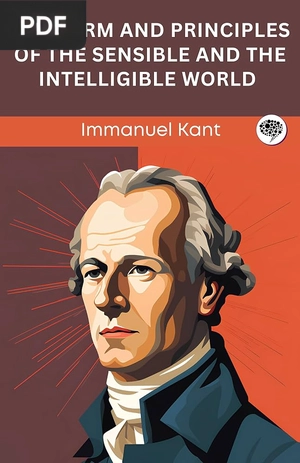 The Form and Principles of the Sensible and Intelligible
 -
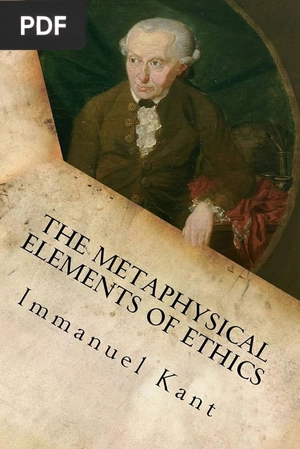 The Metaphysical Elements of Ethics