Looking for gothic horror books? Here are 35 free gothic horror books in PDF: the novels, short stories, and poems that built gothic fiction.
It all began in 1764, when Horace Walpole set a story in a cursed castle. Then came Mary Shelley, Edgar Allan Poe, and Bram Stoker, who filled it with ruined abbeys, family secrets, and monsters that look a lot like us.
Pick a classic and start tonight. Every book is free to read online or download as PDF.
📚
Download every Gothic Horror book on this page
All the books on this page in one ZIP file, instead of downloading them one by one.
We will redirect you to accounts.google.com to complete sign-in.
Email and name only · We never send spam
Access unlocked
Download every Gothic Horror book on this page
All the books on this page in one ZIP file, instead of downloading them one by one.
Direct download · One ZIP file
Download started. Check your downloads folder for the ZIP.
Novels
Gothic Horror Novels
These gothic horror novels run in the order they were written, from The Castle of Otranto in 1764 to The Phantom of the Opera in 1910. Read them in sequence and you'll watch haunted castles give way to the foggy streets of Victorian gothic London.
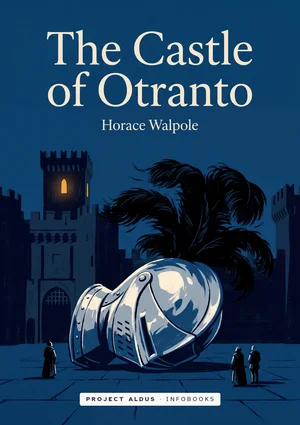
Published in 1764, this is the novel that invented gothic fiction: a cursed castle, a giant helmet falling from the sky, and a tyrant desperate to keep his line alive. Short, strange, and the starting point for every haunted house story that followed.
A caliph sells his soul for forbidden knowledge in this 1786 oriental gothic tale, which ends in one of the most terrifying underworlds in English fiction. Includes a memoir of the eccentric Beckford.
The 1794 bestseller that defined the gothic heroine: Emily St. Aubert, locked in a remote Apennine castle, facing veiled secrets and sounds in the night. Radcliffe's slow-building dread made her the most famous novelist of her time.
A revered Madrid abbot falls into lust, sorcery, and murder in this 1796 shocker, written when Lewis was just 19. It scandalized its readers and remains the most transgressive novel of the early gothic.
The first great American gothic novel (1798): a pious Pennsylvania family is torn apart by mysterious voices and religious madness. A dark study of fanaticism told by a narrator who can barely trust her own senses.
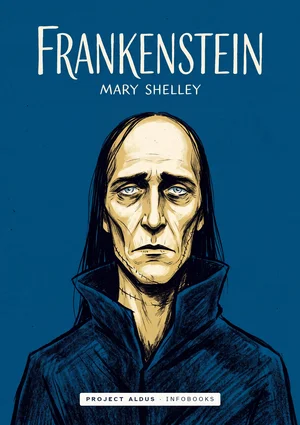
Victor Frankenstein builds a living creature and then abandons it, with tragic results. Published in 1818, Mary Shelley's masterpiece fused gothic horror with science and gave the world its most famous monster.
A man who sold his soul roams the world for 150 years, searching for someone desperate enough to take his place. Maturin's 1820 novel of nested tales, Inquisition prisons, and damnation is often called the last great gothic novel.
The penny dreadful that shaped the vampire before Dracula: Sir Francis Varney stalks the Bannerworth family across more than 200 chapters (1845 to 1847). It introduced fangs, the hypnotic gaze, and the sympathetic vampire.
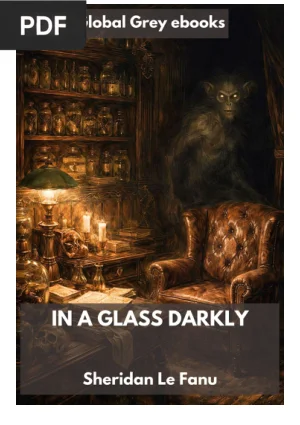
Young heiress Maud Ruthyn is sent to live with her mysterious uncle at a decaying estate, where every kindness hides a threat. Le Fanu's 1864 novel is a masterclass in slow, claustrophobic Victorian gothic suspense.
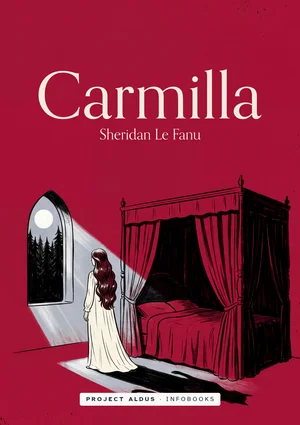
In a lonely Styrian castle, Laura befriends a beautiful, languid guest who seems to grow stronger as Laura grows weaker. Published in 1872, this female vampire novella came 25 years before Dracula and inspired it.
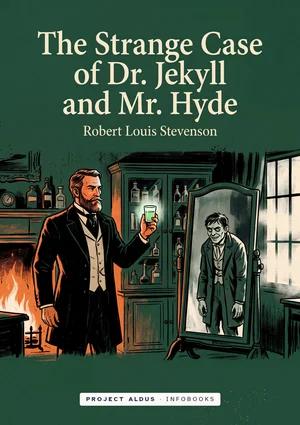
A respected London doctor unleashes his darker self through a chemical potion. Stevenson's 1886 novella turned the gothic double into a symbol of Victorian hypocrisy, and it can be read in a single evening.
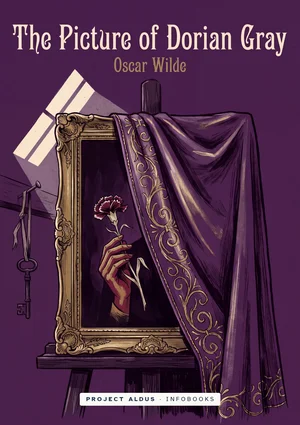
Dorian stays young and beautiful while his portrait ages and rots with every sin he commits. Wilde's only novel (1890) is a gothic tale of vanity, corruption, and the price of eternal youth.
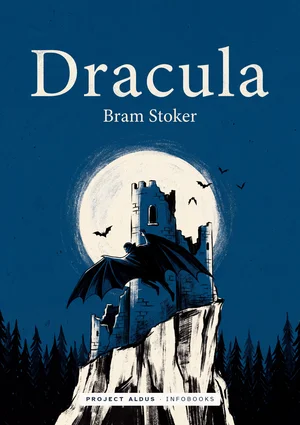
Told through diaries, letters, and newspaper clippings, this 1897 novel follows the Transylvanian count to Victorian England and the small band that hunts him down. The book that made the vampire immortal.
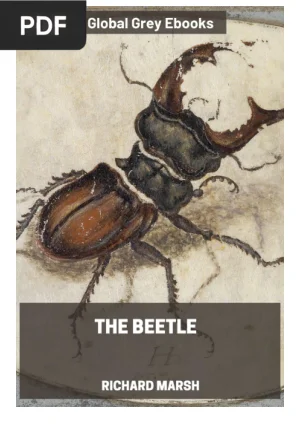
A shape-shifting creature from ancient Egypt invades London to take revenge on a rising politician. Published in 1897, the same year as Dracula, it outsold Stoker's novel at first and is a thrilling forgotten classic.
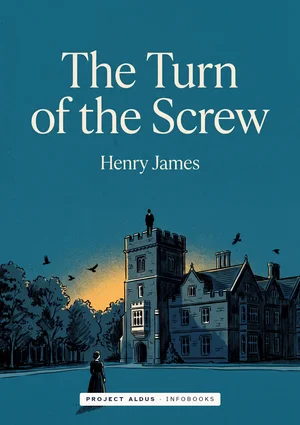
A governess at a remote English country house becomes convinced that two ghosts are after the children in her care. Henry James's 1898 novella is the great ambiguous ghost story: are the spirits real, or is she?
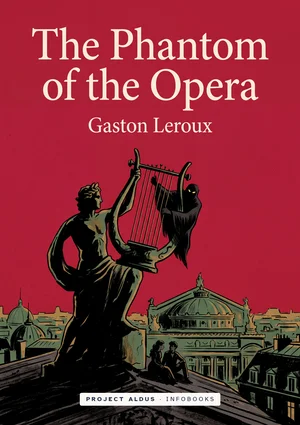
A masked genius haunts the cellars of the Paris Opera and falls obsessively in love with a young soprano. Leroux's 1910 novel blends gothic horror, mystery, and tragic romance beneath the grandest stage in Europe.
Some of the best gothic horror stories fit in a single sitting. Poe's unreliable narrators, Irving's Headless Horseman, and the Victorian ghosts of Gaskell and Dickens all do their work in a few pages.
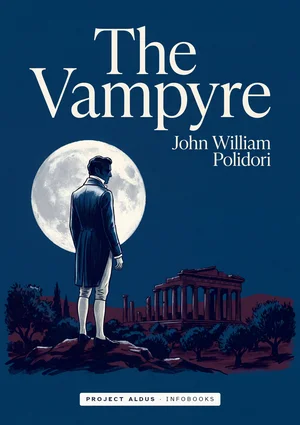
Born at the same 1816 ghost story contest that produced Frankenstein, this tale created the aristocratic vampire with the seductive Lord Ruthven. This annotated edition adds notes on its context and legacy.
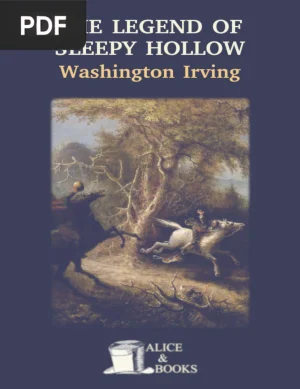
Schoolmaster Ichabod Crane rides home through a haunted Hudson Valley glen and meets the Headless Horseman. Irving's 1820 tale is the founding ghost story of American gothic.
Hawthorne's 1837 collection of New England tales, including The Minister's Black Veil, Dr. Heidegger's Experiment, and The Hollow of the Three Hills. Puritan guilt and quiet dread at the root of American gothic.
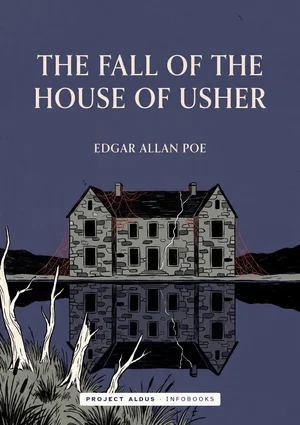
A man visits his ailing childhood friend at a crumbling mansion that seems to share the family's decay. Poe's 1839 tale is the perfect gothic short story: a doomed house, a buried sister, and a final collapse.
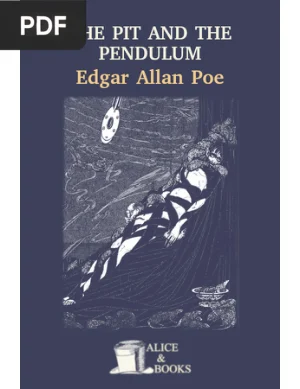
A prisoner of the Spanish Inquisition wakes in total darkness and faces one torture after another, including a razor-sharp pendulum. Published in 1842, it is Poe at his most suspenseful.
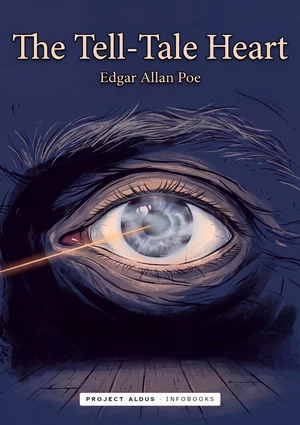
A narrator insists he is sane while describing how he killed an old man and hid the body under the floor. Poe's 1843 story is the classic unreliable narrator, undone by the beating of a dead heart.
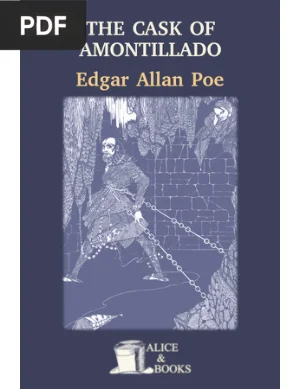
During carnival, Montresor lures his rival into the catacombs with the promise of a rare wine. Poe's 1846 tale of revenge is short, cold, and one of the most chilling endings in literature.
A nurse recalls the winter she and a little orphan girl spent at a Northumberland manor haunted by a phantom child and a terrible family secret. Gaskell's 1852 tale is a model of the Victorian ghost story.
A lonely railway signalman is haunted by a spectral figure that appears before every disaster on his line. Dickens wrote this 1866 ghost story after surviving a real train crash.
Five cases from the papers of occult doctor Martin Hesselius, including Green Tea, The Room in the Dragon Volant, and the original Carmilla. Published in 1872, it is the cornerstone of Irish gothic short fiction.
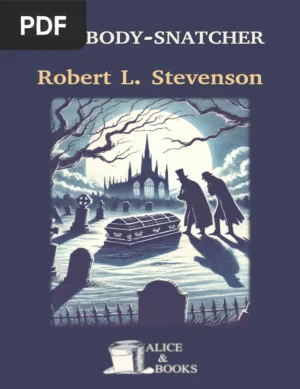
Two medical students supply corpses for anatomy lessons in 1820s Edinburgh, until one delivery goes horribly wrong. Stevenson's 1884 tale is based on the real Burke and Hare murders.
Thirteen stories from the creator of Sherlock Holmes, from monsters in the upper atmosphere to a cursed leather funnel and a creature in a Derbyshire cave. Collected in 1922, they show Doyle's darker side.
Gothic horror was never only prose, and these poems prove it. Coleridge, Byron, Keats, and Christina Rossetti wrote curses, spirits, and dark atmosphere into verse, alongside Poe's The Raven.
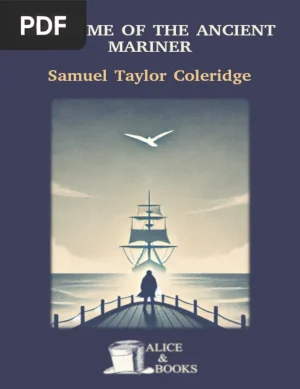
An old sailor stops a wedding guest to tell how killing an albatross brought a curse of thirst, death, and ghostly crewmen. Coleridge's 1798 ballad is the great supernatural poem of English Romanticism.
In Christabel, a young lady brings a mysterious woman named Geraldine into her father's castle, with unsettling results. This edition pairs the unfinished 1816 gothic ballad with the visionary Kubla Khan.
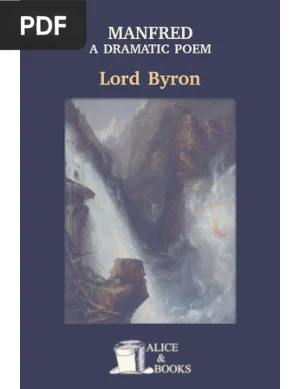
A guilt-ridden nobleman summons spirits in his Alpine castle, seeking oblivion for a forbidden past. Byron's 1817 dramatic poem defined the brooding Byronic hero of gothic literature.
Keats's 1820 collection, with the serpent-woman Lamia, the severed head of Isabella, and the moonlit castle of The Eve of St. Agnes. Includes the great odes and an introduction with notes.
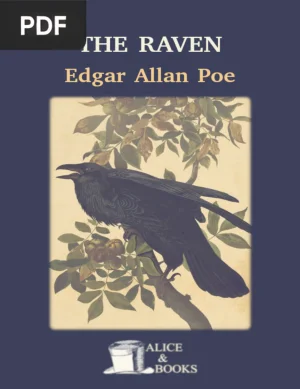
On a bleak December midnight, a grieving student is visited by a raven that answers every question with one word: Nevermore. Published in 1845, it is the most famous gothic poem in English.
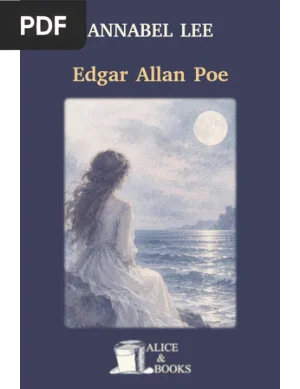
Poe's last complete poem (1849) mourns a young bride taken by a chilling wind, and a love that refuses to stay buried. A haunting ballad of death and devotion beside the sea.
Two sisters, a band of goblin merchants, and fruit that no one should taste. Rossetti's 1862 masterpiece is a dark Victorian fairy tale in verse, collected here with The Prince's Progress and her other poems.
Send this page to someone who’d love to read it. Everything is free, no sign-up needed.
Esc
Start typing to search...
Searching...
No results found
Try different search terms
Your book is downloading!
If InfoBooks helped you, you can support us in one click: add us as a preferred source on Google. You'll see more of our books when you search, and you'll help us keep sharing free reading with everyone.
Done! Your book is downloading
Know someone who’d enjoy reading it? Send them this page. It’s free, no sign-up needed, and you help us spread the love of reading.