Some books frighten you with monsters. Psychological horror frightens you from the inside, and every title on this page is a free PDF.
You will find Edgar Allan Poe, Mary Shelley, Robert Louis Stevenson, Henry James, Bram Stoker, and H. P. Lovecraft, plus Kafka's Metamorphosis and Gilman's The Yellow Wallpaper. All 23 books are 19th and early 20th century classics in the public domain.
Pick a quiet hour and a single light. Below, the novels come first, then the short stories and novellas.
📚
Download every Psychological Horror book on this page
All the books on this page in one ZIP file, instead of downloading them one by one.
We will redirect you to accounts.google.com to complete sign-in.
Email and name only · We never send spam
Access unlocked
Download every Psychological Horror book on this page
All the books on this page in one ZIP file, instead of downloading them one by one.
Direct download · One ZIP file
Download started. Check your downloads folder for the ZIP.
Novels
Classic Psychological Horror Novels
These are full-length descents from Stoker, Shelley, Wilde, Stevenson and Dostoevsky. Each one trades blood and shock for slower, deeper unease.
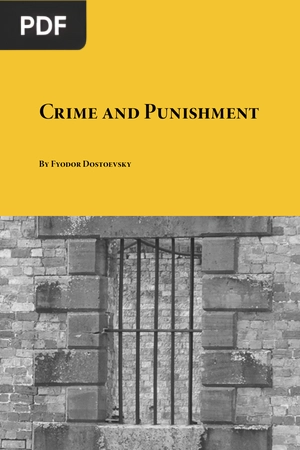
Dostoevsky's portrait of a young murderer unraveling under the weight of his own conscience. A landmark of the psychological novel where every street and every silence becomes part of the punishment.
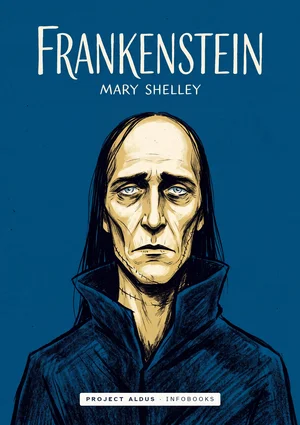
A young scientist gives life to a being he cannot bear to look at, and pays for the act with the rest of his own life. The horror is not the creature; it is what living with him does to a mind.
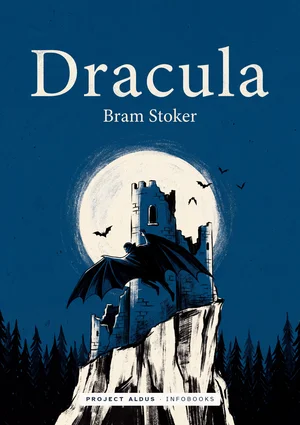
Stoker's gothic novel told through letters, journal entries and press clippings, which slowly assemble the figure of a predator who feeds on the will of others. The dread builds in the gaps between voices.
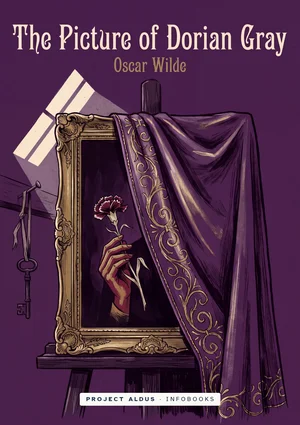
A portrait keeps the record of every cruelty and every sin while its subject stays beautiful. Wilde turns a single bargain into a long, slow study of self-knowledge refused.
A respectable London doctor finds a chemical way to release the part of himself he has spent a lifetime caging. The novella is short; the dread it leaves about the divided mind is not.
A lonely young woman in a remote castle becomes intimate with a beautiful guest whose attentions deepen as her own health fades. Le Fanu's vampire is closer to a state of mind than a creature.
Linked stories built around a forbidden play that drives anyone who reads it past the rim of sanity. Chambers shaped a private mythology of dread that later writers, Lovecraft included, never quite escaped.
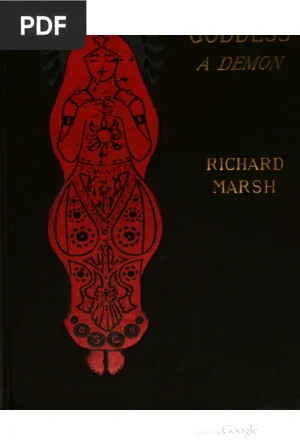
A late-Victorian shocker about a man who buys a small statue and finds his life turning into a slow nightmare of lost time and ungovernable fear. Marsh keeps the dread coiled inside ordinary rooms.
A Catholic priest works steadily on a wealthy young Englishman's mind until conviction starts to look like coercion. Collins watches manipulation from inside the room where it happens.
Griffin discovers how to vanish from sight and watches his own mind go with him. Wells writes invisibility not as a power but as a slow, irreversible loss.
A small-stature woman writes her own life in plain, careful prose, and the world around her warps under her gaze. De la Mare makes the everyday quietly uncanny.
A young governess takes charge of two children in an isolated country house and begins to see figures that may or may not be there. James leaves every reading of the story in the reader's hands, including the worst one.
A woman is confined to a single room for the good of her nerves and watches the pattern on the walls until it watches back. A short, devastating account of a mind taken apart by the cure that was meant to save it.
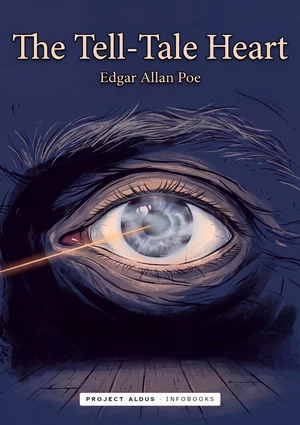
A confession from a narrator who insists, again and again, that he is sane. Poe compresses guilt, paranoia and the failure of self-knowledge into a few unforgettable pages.
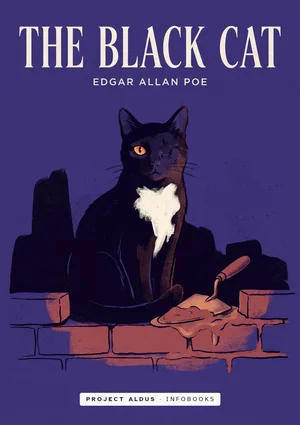
A man tells how a household pet came to mark him for ruin, and how he kept choosing the worse path each time it was offered. Poe at his most pitiless about cruelty rationalised.
A friend visits the last heirs of a dying line, in a house that seems to share their illness. Poe binds setting, family and disease so tightly that none can fall without bringing the others down.
Three fragmented accounts converge on the figure of a sleeping god whose return would erase reason itself. Lovecraft's most influential single story, and a complete map of his cosmic dread.
A doctor opens a window in a young woman's mind to see what lies behind the veil of the world, and she is never the same again. Machen's novella set the template for occult horror that hides its monster in plain society.
Two travellers camp on a sandy island in the Danube and feel the place itself turn against them. Blackwood does almost nothing on the page, and the result is one of the most unsettling stories in the genre.
A hunting party in the Canadian backwoods loses a man to something that calls his name from the woods. Blackwood writes the wilderness as an active, listening presence.
A talisman grants three wishes, and the price of each one is exact. A short story that has shaped a century of horror writing about the wish that should never have been spoken.
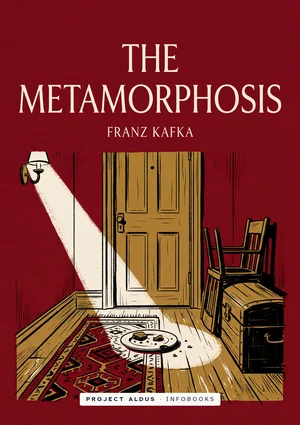
Gregor Samsa wakes one morning to find that he is no longer Gregor, while the world around him goes on, embarrassed. Kafka turns a single transformation into an almost unbearable study of the family that watches it.
A schoolboy's eccentric aunt is much worse than she seems, and the narrator spends his life refusing to look at what he saw. De la Mare lets a quiet domestic horror settle in the back of the mind.
A village judge sentences his future son-in-law to death and has no doubt of his guilt until many years too late. A small, hard novella about certainty and remorse.
If InfoBooks helped you, you can support us in one click: add us as a preferred source on Google. You'll see more of our books when you search, and you'll help us keep sharing free reading with everyone.