Japanese mythology books take you into a world of kami, yokai and ancient gods. Here you'll find them free in PDF, from the creation of Japan to its oldest ghost stories.
It all starts with the Kojiki and the Nihongi, the oldest records of Japanese myth. They tell how Izanagi and Izanami made the islands and how Amaterasu and Susanoo came to be.
You'll also find classic folktales, the Shinto faith and the myths of the Ainu people. Open any book online or download it in PDF, with no sign-up.
📚
Download every Japanese Mythology book on this page
All the books on this page in one ZIP file, instead of downloading them one by one.
We will redirect you to accounts.google.com to complete sign-in.
Email and name only · We never send spam
Access unlocked
Download every Japanese Mythology book on this page
All the books on this page in one ZIP file, instead of downloading them one by one.
Direct download · One ZIP file
Download started. Check your downloads folder for the ZIP.
Gods
Japanese Gods and Creation Myth Books
These Japanese mythology books go back to the Kojiki and the Nihongi, where the myths were first written down. Meet Izanagi and Izanami, Amaterasu, Susanoo and the birth of the Japanese islands.
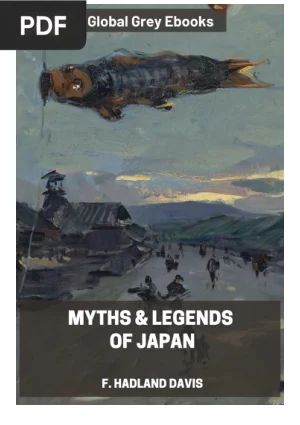
The best starting point for Japanese mythology. F. Hadland Davis retells the creation of Japan by Izanagi and Izanami, the feud of Amaterasu and Susanoo, and legends of foxes, Mount Fuji, Yuki-Onna and the Peony Lantern.
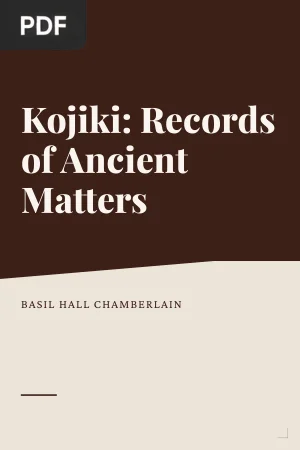
The oldest book of Japanese myth, completed in 712, in the classic English translation by Basil Hall Chamberlain. It tells the Age of the Gods, from the birth of the islands to Amaterasu, Susanoo and the first emperors, with full notes.
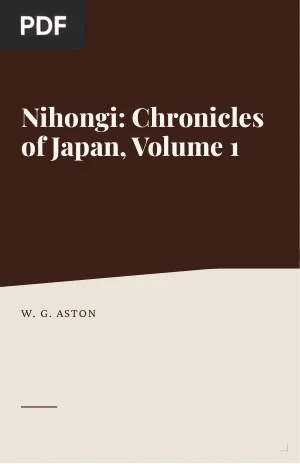
The first volume of the Nihon Shoki, the second great chronicle of Japanese myth, in the standard translation by W. G. Aston. It covers the Age of the Gods and the legendary first emperors, with alternative versions of each myth.
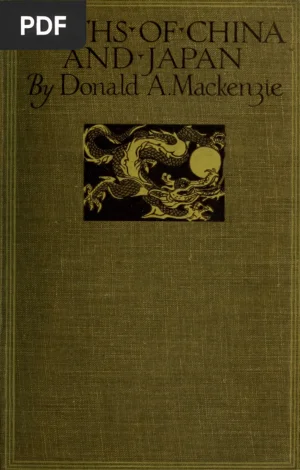
A classic comparative study of the gods, dragons and creation myths of China and Japan. Donald A. Mackenzie shows how the two traditions borrowed from each other, illustrated with color plates of East Asian art.
Oni, kitsune, kappa and restless yurei fill the darker side of Japanese mythology. Read the scholarly guides first, then the eerie ghost stories of Lafcadio Hearn.
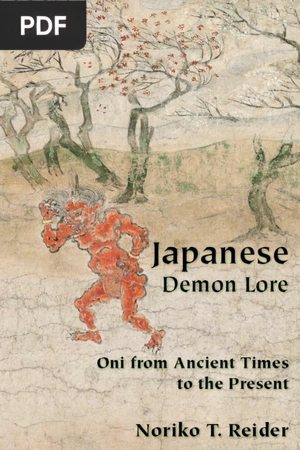
The definitive study of oni, the horned demons of Japanese folklore, from ancient scrolls to manga and anime. Noriko T. Reider traces legends like Shuten Doji and the mountain witch Yamauba across a thousand years.
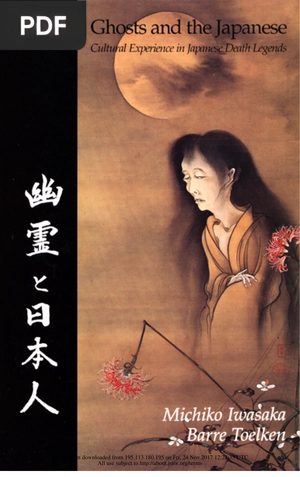
How ghosts, death legends and funeral customs shape everyday life in Japan. Michiko Iwasaka and Barre Toelken retell dozens of yurei stories and explain the beliefs behind them, with classic ghost paintings throughout.
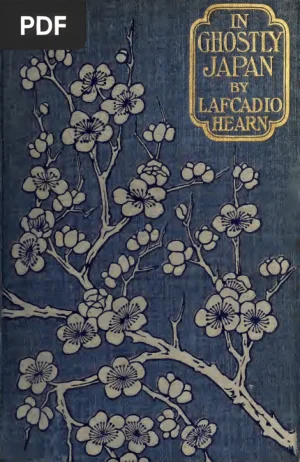
The most famous collection of Japanese ghost stories in English. Lafcadio Hearn retells Hoichi the Earless, Yuki-Onna, the Rokuro-Kubi and other kaidan, the eerie tales of yokai and restless spirits.
Lafcadio Hearn collects Japanese ghost stories, Buddhist legends and folk beliefs about the dead, from haunted kimonos to the Mountain of Skulls. A companion to Kwaidan, with the original Japanese illustrations.
Old Japanese tales of living ghosts, haunted waterfalls and spirit possession, retold by Lafcadio Hearn. The book also includes his essays on fireflies, dreams and the folk beliefs of everyday Japan.
These Japanese folktales bring Momotaro, Urashima Taro and the tongue-cut sparrow to life. They are the fairy tales Japanese children grow up with, collected in old English editions.
Twenty-two beloved Japanese folktales retold by Yei Theodora Ozaki, including Momotaro, Urashima Taro, the Tongue-Cut Sparrow and the Mirror of Matsuyama. A charming read for children and adults alike.
The classic collection of samurai legends, ghost stories and fairy tales, including the 47 Ronin, gathered by A. B. Mitford while he lived in Japan. Illustrated by Japanese artists of the period.
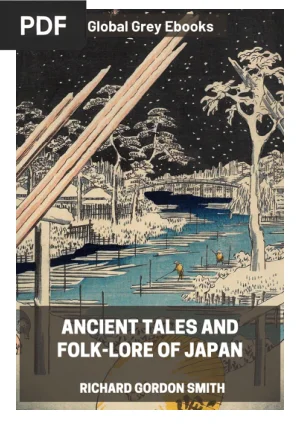
Sixty-two folktales and ghost legends that Richard Gordon Smith heard firsthand from fishermen, priests and villagers across Japan. Haunted temples, spirit willows, magic swords and fox women fill its pages.
Thirty-four stories from the wonder-lore of Japan, from the Tongue-Cut Sparrow to the Fire-Fly's Lovers, retold by William Elliot Griffis. Illustrated with woodcuts by the Japanese artist Ozawa.
A collection of short Japanese folktales written for young readers, with stories of clever animals, kind spirits and brave children. An easy and illustrated first approach to the folklore of Japan.
Legendary heroes of Japan who fight demons, ogres and giant spiders, retold by Yei Theodora Ozaki. Includes the tale of Raiko and the Shuten Doji, with color illustrations by Japanese artists.
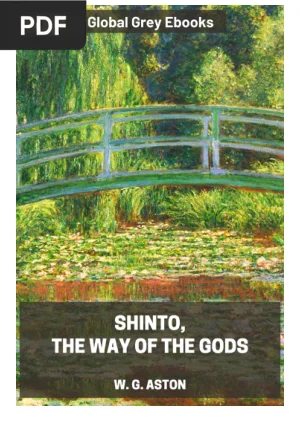
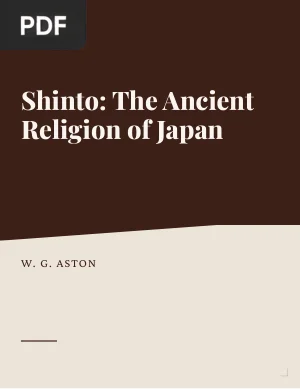
The most complete classic study of Shinto in English. W. G. Aston covers the myths, the pantheon of kami, priests, worship, purification and magic, drawing directly on the Kojiki and the Nihongi.
A short, clear introduction to Shinto by W. G. Aston, one of the first Western scholars of Japan. It explains the kami, Sun-worship, shrine rituals and purification, and how the old faith shaped Japanese mythology.
The official illustrated guide to Shinto published by Ise Jingu, the most sacred shrine in Japan. Full-color photographs walk you through the kami, the shrine rites and the ritual rebuilding of Ise every 20 years.
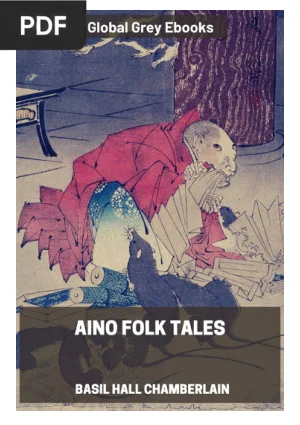
Folktales of the Ainu, the native people of Hokkaido, collected and translated by Basil Hall Chamberlain. Origin myths, moral tales and the comic Panaumbe stories reveal a mythology very different from mainland Japan.
The most detailed account of Ainu religion and folklore, written by John Batchelor after nearly 25 years among the Ainu. It covers the kamuy, the bear ceremony, demons, charms and hundreds of myths and legends.
An early portrait of Ainu religion, superstitions and daily life by the missionary John Batchelor. It describes their gods, the bear festival and their legends, with eighty illustrations.
Send this page to someone who’d love to read it. Everything is free, no sign-up needed.
Esc
Start typing to search...
Searching...
No results found
Try different search terms
Your book is downloading!
If InfoBooks helped you, you can support us in one click: add us as a preferred source on Google. You'll see more of our books when you search, and you'll help us keep sharing free reading with everyone.
Done! Your book is downloading
Know someone who’d enjoy reading it? Send them this page. It’s free, no sign-up needed, and you help us spread the love of reading.