Japan's history runs from its oldest chronicles to the samurai, the Meiji Restoration and the atomic age. These free Japanese history books in PDF cover every stage of that story.
You'll find full histories of Japan by Katsuro Hara and David Murray, and Inazo Nitobe's classic on bushido. There are also translations of the Kojiki and the Nihongi, the first chronicles of Japan.
Each book shows how Japan's traditions held on through centuries of change. Every title is free to read or download, with no sign-up.
📚
Download every Japanese History book on this page
All the books on this page in one ZIP file, instead of downloading them one by one.
We will redirect you to accounts.google.com to complete sign-in.
Email and name only · We never send spam
Access unlocked
Download every Japanese History book on this page
All the books on this page in one ZIP file, instead of downloading them one by one.
Direct download · One ZIP file
Download started. Check your downloads folder for the ZIP.
Overview
General Japanese History Books
Start here if you want the whole story of Japan in one book. These Japanese history books run from the first emperors to the twentieth century.
A full history of Japan written for Western readers by Katsuro Hara, professor at Kyoto Imperial University. It runs from the earliest emperors through the samurai age to the Meiji era in clear, readable chapters.
A classic narrative history of Japan from its legendary origins to the 1890s, by an adviser to the Japanese Ministry of Education. Includes maps and illustrations of daimyo, castles and the opening of the country.
Japan's official national history, edited and expanded by Yale historian K. Asakawa. It covers every era from the founding of the empire to the Russo-Japanese War, with portraits and period illustrations.
Lafcadio Hearn's last book explains how ancestor worship, Shinto, Buddhism and feudal loyalty shaped Japanese society. A thoughtful history of Japan's beliefs and institutions, from the ancient clans to the Meiji state.
A lively history of Japan from the earliest records to the fall of the shogunate, by a former British consul in Nagasaki. Strong on the warrior clans, the Christian century and the Tokugawa peace.
Before the samurai, Japan was a land of rice farmers, clan chiefs and a court that looked to China. These books cover the Yayoi, Nara and Heian periods, with Japan's oldest chronicles in translation.
A study of how ordinary people lived in ancient Japan, from farming, housing and diet to famine, disease and population. Based on archaeology and early records from the Jomon era to the Heian period.
The Nihon Shoki, Japan's official chronicle completed in 720, in W. G. Aston's standard translation. This first volume covers the age of the gods and the early emperors who founded the Yamato state.
Japan's oldest surviving book, compiled in 712, in Basil Hall Chamberlain's annotated translation. It records the origin myths and genealogies the early imperial court used to explain its own history.
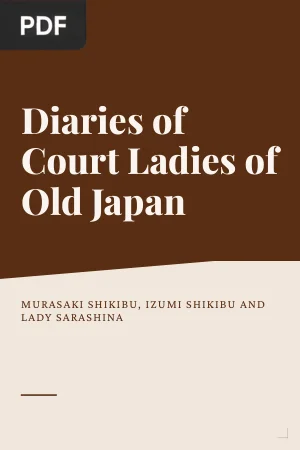
Three diaries written by women at the Heian court around the year 1000, including Murasaki Shikibu, author of The Tale of Genji. A firsthand look at palace life, rituals and romance in classical Japan.
Murasaki Shikibu, Izumi Shikibu and Lady Sarashina
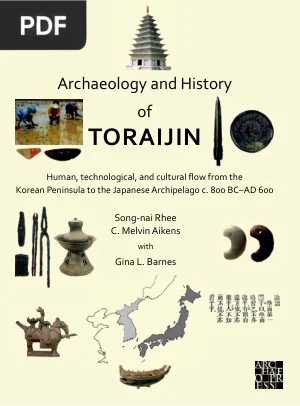
How migrants from the Korean Peninsula brought rice farming, bronze, iron and writing to Japan between 800 BC and AD 600. Draws on the latest archaeology of the Yayoi and Kofun periods, with many maps and photos.
Song-nai Rhee, C. Melvin Aikens and Gina L. Barnes
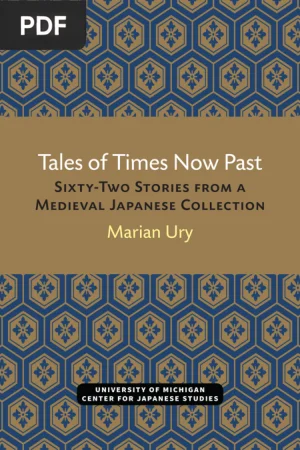
Sixty-two stories from the Konjaku Monogatari, a twelfth-century collection, translated by Marian Ury. Monks, warriors, thieves and courtiers bring late Heian Japan to life.
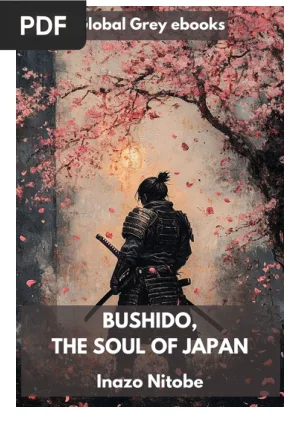
Inazo Nitobe's classic 1899 explanation of the samurai code: rectitude, courage, honor, loyalty and self-control. Still the most widely read introduction to bushido and the warrior class of feudal Japan.
Samurai legends and true stories of the Edo period gathered by A. B. Mitford, including the 47 Ronin and an eyewitness account of seppuku. Illustrated by Japanese artists of the time.
A study of Zen Buddhism and why it became the faith of Japan's warrior class, by a Zen scholar of the Soto school. It traces Zen from China to the Kamakura shoguns and explains its ideas on discipline and death.
Written in 1869, just as the shogunate fell, this book explains how feudal Japan was governed. It covers Nobunaga, Hideyoshi and Ieyasu, the laws of the Tokugawa, the court of the shogun and the daimyo class.
Essays on family life in Tokugawa Japan, from samurai households and village farmers to merchants, outcastes and artists. A close look at everyday society in the Edo period.
An illustrated school reader on feudal Japan and early Russia. The Japan chapters cover Shinto, Buddhism, the shoguns, samurai life and the closing of the country under the Tokugawa.
A short introduction to medieval Japan by historian Ethan Segal. It explains the rise of samurai government, the Kamakura and Ashikaga shogunates, the Warring States era and the arrival of Europeans.
In 1868 Japan went from a closed feudal state to an industrial power in a single generation. These books explain how the Meiji Restoration made it possible.
The memoir of a British interpreter who lived through the fall of the shogunate and the Meiji Restoration, 1862 to 1869. Satow met the leaders of both sides and saw the civil war that remade Japan.
A history of how Japan turned from a feudal state into a modern power, from Perry's arrival and the Meiji Restoration to the new constitution, the army, education and the wars with China and Russia.
Portraits of the men who built modern Japan: Emperor Meiji, the last shogun Tokugawa Yoshinobu, Ito Hirobumi, Iwakura Tomomi and other statesmen and soldiers of the Meiji era. With photographs.
A short study of how Japan moved from shogunal rule toward a constitution, from Perry's arrival to the 1881 promise of a parliament. Written in 1891 by a Japanese political scientist.
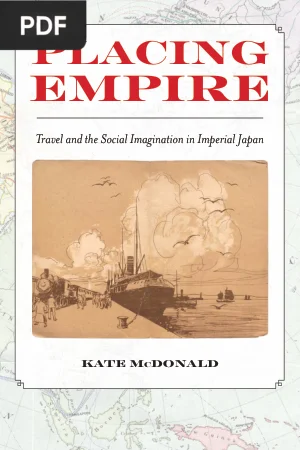
How tourism and travel writing shaped the idea of the Japanese empire in Korea, Taiwan and Manchuria, from the Meiji era to the 1930s. A fresh angle on Japan's modern expansion.
The memoir of a girl born into a samurai family just after the Meiji Restoration, who grew up between old traditions and a changing Japan. A moving personal view of the end of the samurai world.
An illustrated timeline of modern Japan from Perry's arrival in 1853 to 1938. It covers the Meiji Restoration, the wars with China and Russia, the colonies and the road to war with the United States.
Japan's empire grew across Asia and ended with the atomic bombs on Hiroshima and Nagasaki. These reports and studies cover the Pacific War and the American occupation.
Firsthand accounts from more than forty Japanese men and women who lived through World War II and the American occupation. Students, soldiers, nurses and farmers describe the war, the bombing and the years that followed.
The official 1946 survey of how Japan fought and lost the Pacific War. It covers Japan's war plans, its economy, the air and naval campaigns, the atomic bombs and the decision to surrender.
The 1946 report of the British mission sent to Hiroshima and Nagasaki after the war. It describes the damage to buildings and people, with photographs of both cities after the bombings.
The U.S. Army's 1946 official report on the atomic bombings, covering how the targets were chosen, the attacks, the damage and the human toll in both cities.
The story of the battle of Okinawa in 1945, the last and bloodiest campaign of the Pacific War. Covers the Japanese defense of Shuri, the kamikaze attacks and the fighting on land, with maps and photographs.
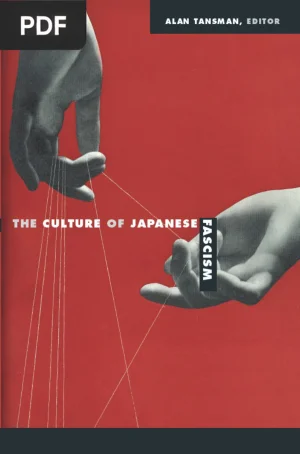
Essays on how fascist ideas took hold in Japanese literature, film, art and daily life in the 1930s and the war years. A cultural history of the road to World War II.
Send this page to someone who’d love to read it. Everything is free, no sign-up needed.
Esc
Start typing to search...
Searching...
No results found
Try different search terms
Your book is downloading!
If InfoBooks helped you, you can support us in one click: add us as a preferred source on Google. You'll see more of our books when you search, and you'll help us keep sharing free reading with everyone.
Done! Your book is downloading
Know someone who’d enjoy reading it? Send them this page. It’s free, no sign-up needed, and you help us spread the love of reading.