Portuguese gave the world Machado de Assis, Eça de Queirós and a canon most English readers never open. Here are 37 free novels in Portuguese, from Brazil and Portugal, all in PDF.
The collection covers both shores of the language. Brazilian realism and romanticism on one side, the Portuguese canon on the other, plus world classics translated into Portuguese.
Pick a title and start reading. No signup, no fees, just the full book on your screen or your e-reader.
📚
Download every Portuguese novel on this page
All the books on this page in one ZIP file, instead of downloading them one by one.
We will redirect you to accounts.google.com to complete sign-in.
Email and name only · We never send spam
Access unlocked
Download every Portuguese novel on this page
All the books on this page in one ZIP file, instead of downloading them one by one.
Direct download · One ZIP file
Download started. Check your downloads folder for the ZIP.
Translations
World Classics Translated into Portuguese
Kafka, Dickens, Dostoevsky and Austen in Portuguese translation. Perfect if you already know the story and want to read it again in a new language.
Josef K. is arrested one morning and never told what for, and the machinery around him never stops moving. Kafka's unfinished masterpiece, read here in Portuguese.
A society engineered for comfort, where everyone is happy because nobody is allowed to want anything else. The dystopia that predicted pleasure, not terror, as the tool of control.
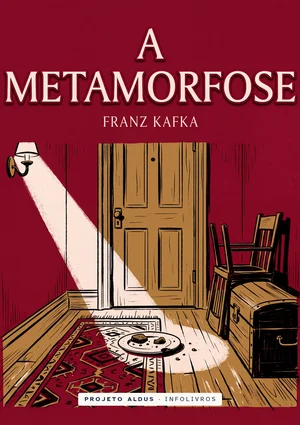
Gregor Samsa wakes up transformed into an insect and his family has to decide what he is to them now. One of the most discussed short novels ever written.
Two aristocrats treat seduction as a game and keep score by letter. The eighteenth century novel that still reads as the sharpest book about manipulation.
D'Artagnan arrives in Paris looking for a fight and finds three friends and a conspiracy. The adventure novel every later adventure novel borrows from.
Brazilian fiction from the 1840s to the 1910s, when Machado de Assis reinvented the novel from Rio de Janeiro. Start with Dom Casmurro if you only read one.
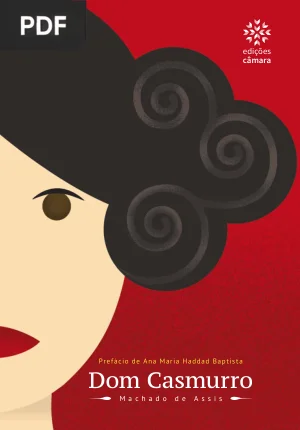
Bento Santiago looks back on his marriage to Capitu and asks whether she betrayed him, leaving the reader to decide. The most argued about novel in Brazilian literature, in a designed edition with a preface.
A dead man narrates his own life story with no reason left to flatter himself. Machado de Assis broke the realist novel open here in 1881, decades before anyone else tried it.
Rubião inherits a fortune and a philosopher's mad doctrine along with it, and neither serves him well. A sharp study of money, madness and social climbing in imperial Rio de Janeiro.
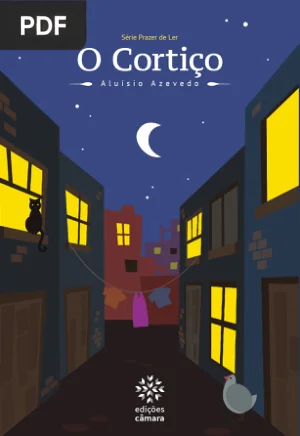
Life inside a Rio tenement, where dozens of families, ambitions and appetites are packed into one courtyard. The defining work of Brazilian naturalism, in an illustrated edition.
The love between a Tabajara woman and a Portuguese soldier, told as the founding myth of Ceará. Alencar wrote it in prose that reads almost like verse.
Peri, a Guarani warrior, devotes himself to the daughter of a Portuguese nobleman on the frontier of colonial Brazil. Adventure, romance and the birth of the indianist novel in one book.
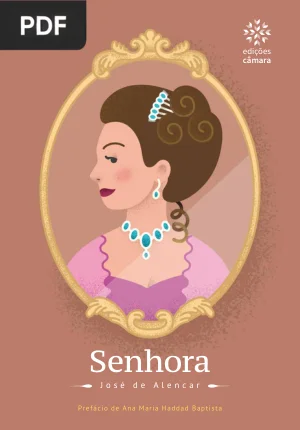
Aurélia buys back the man who abandoned her for money, then makes him live with the price. A cold, modern look at marriage as a transaction, in a designed edition with a preface.
A boy is sent to boarding school and learns how power really works among children. Pompéia turned his own school years into one of the most unsettling novels of the period.
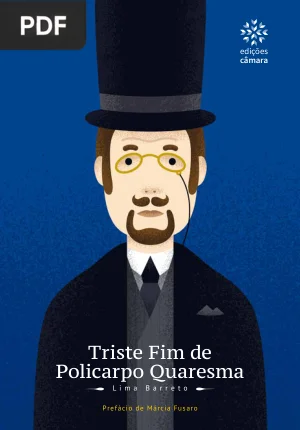
A civil servant loves his country so sincerely that the country destroys him for it. Lima Barreto's satire of patriotism still lands, and this edition adds a critical preface.
Leonardo drifts through the streets, taverns and petty rackets of Rio in the time of the king. A comic novel of ordinary people that arrived decades ahead of Brazilian realism.
Isaura is educated, admired and legally owned, and her master will not let her go. The abolitionist novel that reached more Brazilian readers than any argument of its day.
The first novel published by a Black Brazilian woman, in 1859, together with her shorter fiction. Maria Firmina dos Reis gave enslaved characters an inner life that no novel before hers had.
Four medical students bet on love and one of them loses in the best way. Published in 1844, this is the book that made novel reading popular in Brazil.
A doctor travelling the backlands falls for a girl already promised to another man. Taunay wrote the sertão with an accuracy that made this the great regionalist novel of the century.
The Portuguese canon, from Almeida Garrett's travel prose to the social satire of Eça de Queirós. Written in Portugal, and still the sharpest portrait of it.
Three generations of a wealthy family come apart in Lisbon while the city talks about everything except what matters. The novel most often named the finest ever written in Portuguese.
Luísa is bored, her cousin returns from Paris, and a servant sees everything. Eça turned a domestic affair into a case against the whole Lisbon middle class.
A nephew fakes piety to secure an inheritance and travels to Jerusalem to prove it. A comic novel about hypocrisy that keeps its best joke for the last page.
Simão and Teresa love each other across a family feud that will not bend, and neither will they. Camilo wrote it in fifteen days while in prison, which shows in every page.
Marta is pushed toward a rich returning emigrant while her heart stays with a poor man. Camilo's late novel of the Minho countryside, dark and unsentimental.
Two sisters raised by a village priest, two men who want them, and a community that watches. The gentlest of the Portuguese classics, and the easiest place to start.
A short trip from Lisbon to Santarém turns into digressions on politics, love and the state of the country. Garrett invented modern Portuguese prose in this book, almost by accident.
Send this page to someone who’d love to read it. Everything is free, no sign-up needed.
Esc
Start typing to search...
Searching...
No results found
Try different search terms
Your book is downloading!
If InfoBooks helped you, you can support us in one click: add us as a preferred source on Google. You'll see more of our books when you search, and you'll help us keep sharing free reading with everyone.
Done! Your book is downloading
Know someone who’d enjoy reading it? Send them this page. It’s free, no sign-up needed, and you help us spread the love of reading.