10 Free Niccolò Machiavelli Books [PDF]
by InfoBooks
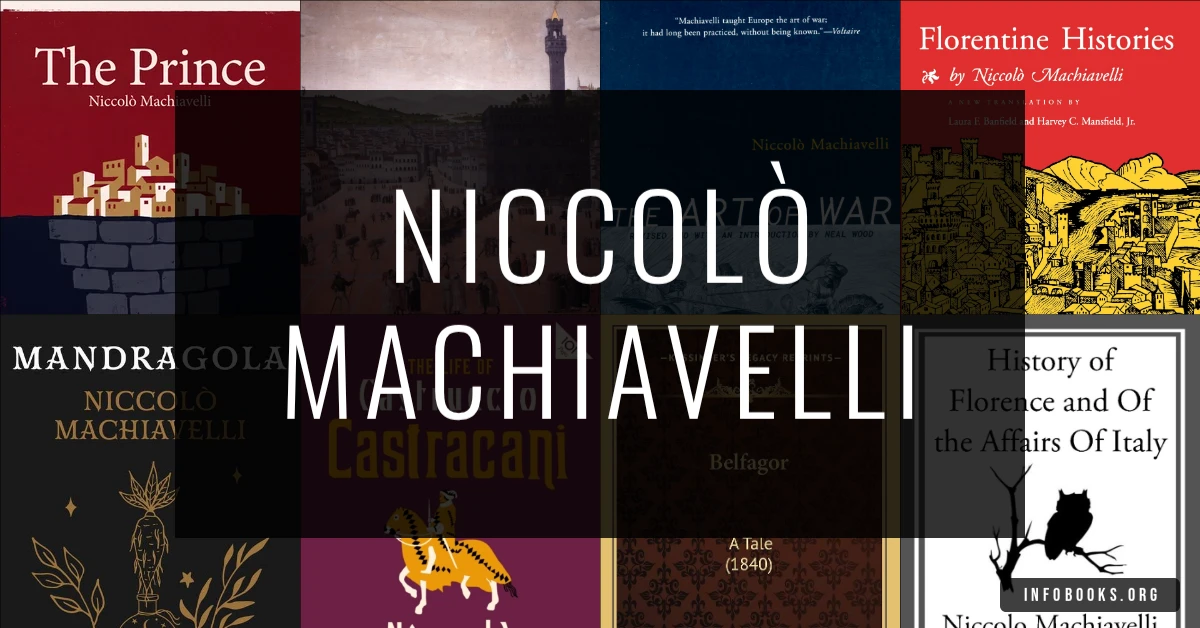
Looking for Machiavelli books? Niccolò Machiavelli was the Florentine diplomat and political philosopher of the Italian Renaissance who wrote The Prince and changed the way we talk about power.
He served the Republic of Florence for fourteen years, until the Medici returned in 1512 and pushed him out of office. Here you'll find 10 of his works, from The Prince, the Discourses on Livy and The Art of War to his Florentine histories, diplomatic reports and the comedy Mandragola.
Every book is free to read online or download as PDF. Start with The Prince for the famous Machiavelli, then open the Discourses to meet the republican behind it.
Download every book on this page in one click
Sign in with Google and grab them all without going one by one.
We will redirect you to accounts.google.com to complete sign-in.
Email and name only · We never send spam
Download every book on this page in one click
Get them all together, without going one by one.
Direct download · One ZIP file
Download started. Check your downloads folder for the ZIP.
Machiavelli's Political Works
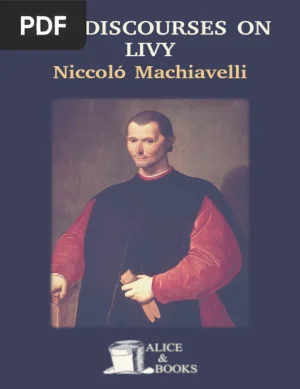
The word Machiavellian comes from these books, but they say more than the label suggests. The Prince is a short manual for new rulers, the Discourses on Livy defend the free republic, and The Art of War argues for armies of citizens instead of mercenaries.
Histories and Diplomatic Writings
Few people know that Machiavelli spent his last years as a historian, writing the story of Florence up to the death of Lorenzo the Magnificent. Next to it are his reports from the courts of France, Rome and Cesare Borgia, the raw notes behind many lessons of The Prince.
Comedies and Tales
Machiavelli was also one of the sharpest playwrights of his century. Mandragola applies the cold logic of The Prince to a scheme in Florentine private life, and Belphegor, his only short story, sends a devil to Earth to take a wife.
Machiavelli has been read as a villain, a realist and a defender of freedom, and every one of those readings starts in these pages. Pair The Prince with the Discourses and you'll see why scholars still argue about him five centuries later.
Want more thinkers from the Renaissance and beyond? Browse our collection of classic authors and find your next read.
You Might Also Like
Political Philosophy Books
Power, justice, governance. Philosophical reflections on politics and the state.
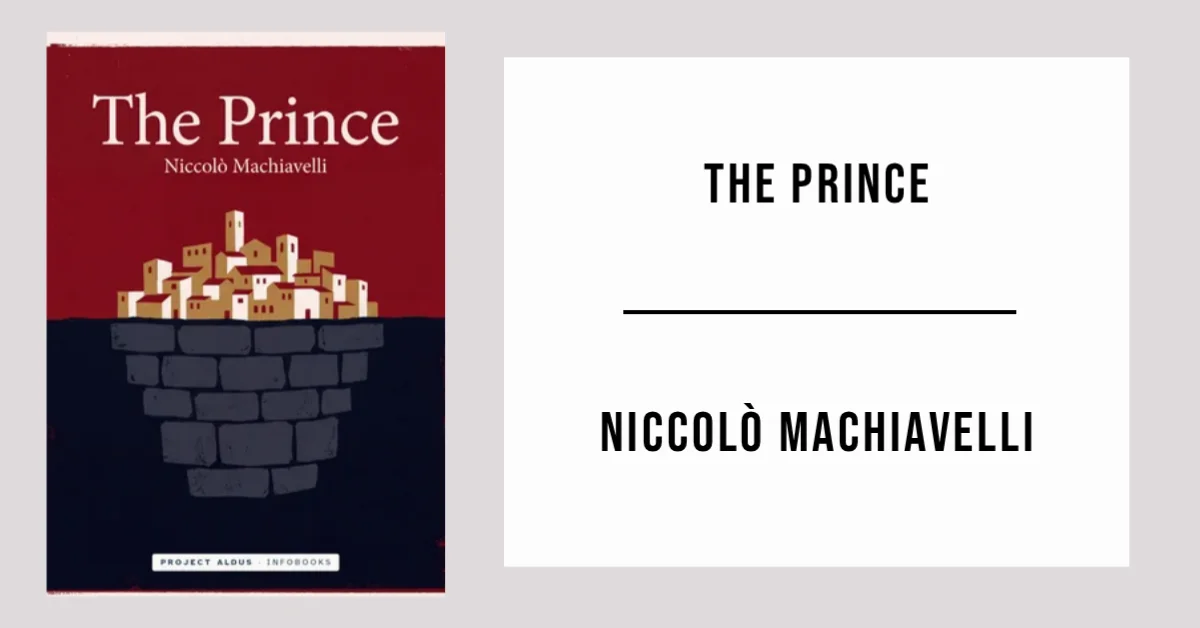
The Prince by Niccolo Machiavelli [PDF]

Renaissance Books
Art, science, rebirth. The cultural reawakening that transformed Europe.
Jean-Jacques Rousseau
Social contract, education, autobiography. The Geneva philosopher who shaped modern democracy and Romanticism.
Dante Alighieri Books
Florentine poet of the 13th century, Dante wrote The Divine Comedy, a journey through Hell, Purgatory, and Paradise. A text that shaped the Italian language and European literature.