
The Descent of Man by Charles Darwin [PDF]
by InfoBooks
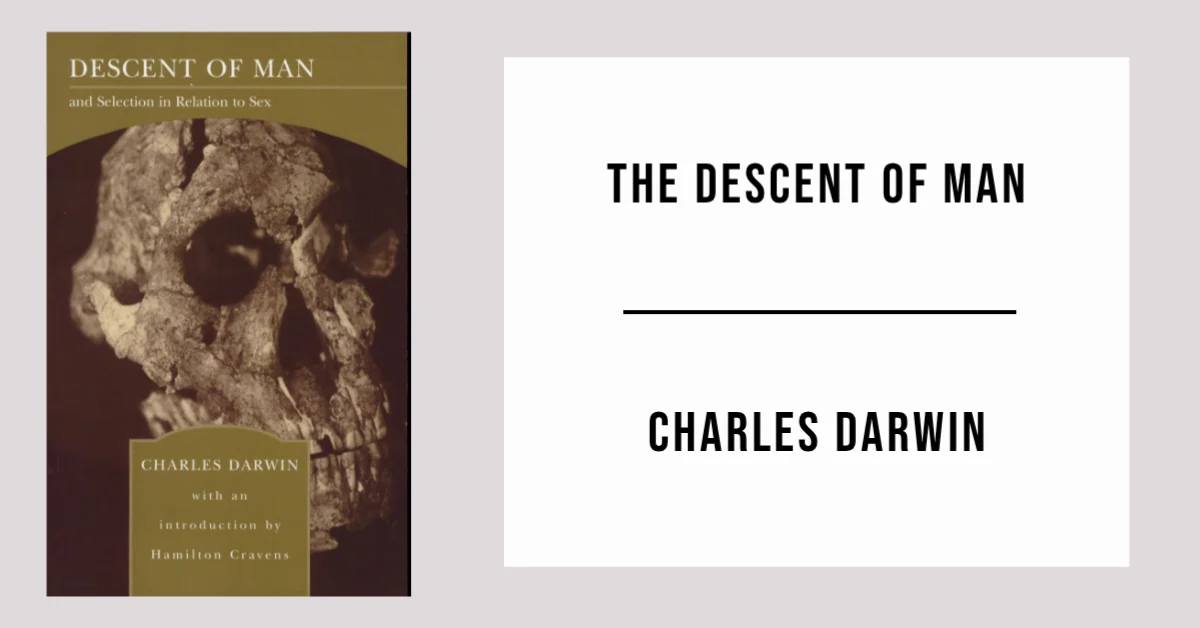
Published in 1871, The Descent of Man is where Charles Darwin finally said what everyone suspected after On the Origin of Species: humans evolved too. He builds a case that our species shares common ancestry with the great apes, using evidence from anatomy, behavior, and embryology. This book didn't just challenge Victorian society; it reshaped how science thinks about what it means to be human.
Darwin's theory of sexual selection takes center stage here, explaining how mate choice drives the development of traits across species, including our own. You can read this foundational work as a free PDF and see how Darwin connected the dots between biology, culture, and morality. It's the kind of book that makes you rethink assumptions you didn't know you had.
Whether you're studying biology, philosophy, or just curious about where we come from, The Descent of Man gives you Darwin's argument in his own words. Over 150 years later, the questions he raised are still being debated in labs and classrooms around the world.
The Descent of Man by Charles Darwin
*Please wait a few seconds for the document to load, the time may vary depending on your internet connection. If you prefer, you can download the file by clicking the link below.
Loading PDF...
Information: The Descent of Man
- Author: Charles Darwin
- Publication Date: 1871
- Main Characters:
- Natural Selection: The fundamental mechanism of evolution that Darwin had established in On the Origin of Species, applied here to human development and adaptation.
- Sexual Selection: Darwin's theory that mate choice and competition for reproduction drive the evolution of traits like ornamentation, size differences, and behavioral displays.
- Common Ancestry: The central argument that humans and great apes share a recent evolutionary ancestor, supported by anatomical and embryological evidence.
- Moral Sense: Darwin's proposal that human morality and conscience evolved from social instincts found in other animals, rather than being uniquely divine.
- Thomas Huxley: Known as 'Darwin's Bulldog,' Huxley was a key ally who had already published Evidence as to Man's Place in Nature (1863), paving the way for Darwin's arguments.
- Brief Summary: The Descent of Man applies Darwin's theory of evolution by natural selection to human origins. Darwin argues that humans share a common ancestor with African great apes, drawing on comparative anatomy, embryology, and behavioral evidence. The book introduces sexual selection as a major evolutionary force, explaining how competition for mates shapes physical and behavioral traits. It also explores the evolution of human morality, intelligence, and social instincts, proposing that these developed gradually rather than appearing as divine gifts.
- Thematic Analysis: The central themes are human evolution from animal ancestors, sexual selection as a mechanism distinct from natural selection, and the biological basis of morality and social behavior. Darwin also examines the relationship between physical traits and mate choice across species, arguing that aesthetic preferences play a significant role in evolution. The work raises questions about race, gender, and human diversity that continue to be discussed and re-evaluated today.
- Historical Context: Published in 1871, twelve years after On the Origin of Species, The Descent of Man arrived during a period of intense debate about evolution and religion in Victorian England. Darwin had deliberately avoided the topic of human evolution in his earlier work, knowing it would be controversial. By 1871, other scientists like Thomas Huxley and Alfred Russel Wallace had already entered the debate, giving Darwin both allies and a more receptive audience for his arguments.
Books by Charles Darwin
Coral Reefs by Charles Darwin
On the Origin of Species by Charles Darwin
The Autobiography of Charles Darwin by Charles Darwin
The Different Forms of Flowers on Plants of the Same Species by Charles Darwin
The Expression of the Emotions in Man and Animals by Charles Darwin
The Formation of Vegetable Mould through the action of worms with observations of their habits by Charles Darwin
The Movements and Habits of Climbing Plants by Charles Darwin
The Variation of Animals and Plants Under Domestication Vol 1 by Charles Darwin
The Voyage of the Beagle by Charles Darwin
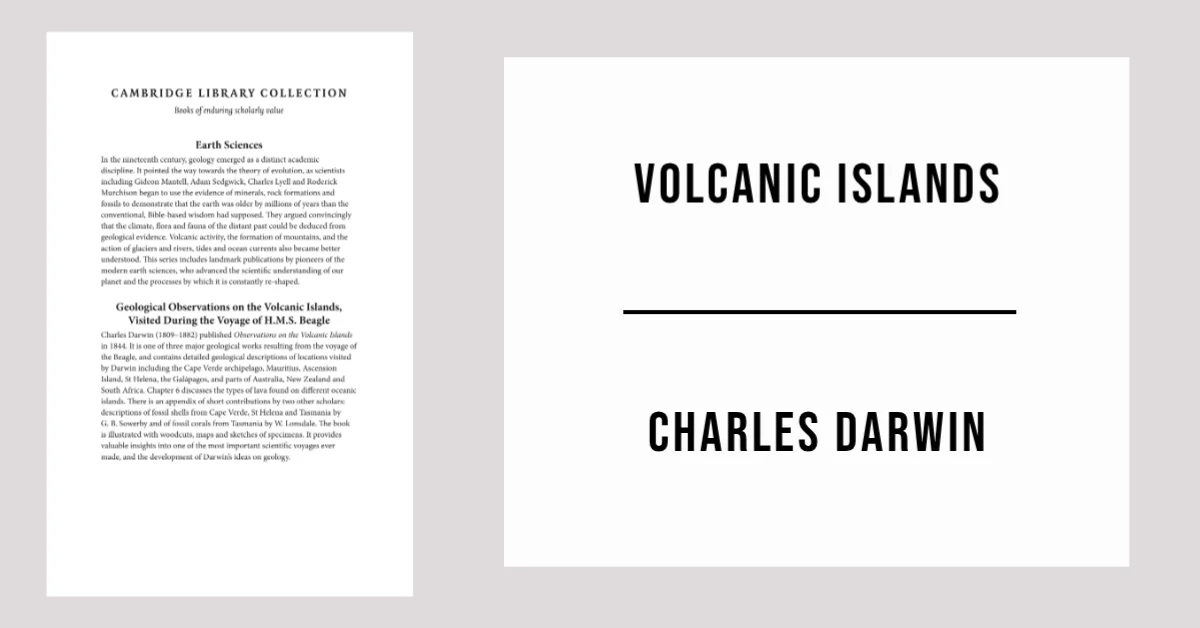
Volcanic Islands by Charles Darwin