Hermeneutics is the theory and practice of interpretation, and these free hermeneutics books in PDF cover its main branches. You'll find seminary manuals, public domain classics and academic studies, from reading the Bible to reading the law.
Start with biblical interpretation and exegesis through Milton Terry and Saint Augustine. Then follow Schleiermacher, Gadamer and Ricoeur as interpretation becomes a philosophy of understanding.
The collection also covers Qur'anic hermeneutics and the way judges read the law. Pick a branch, open a book, and start reading texts the way experts do.
📚
Download every Hermeneutics book on this page
All the books on this page in one ZIP file, instead of downloading them one by one.
We will redirect you to accounts.google.com to complete sign-in.
Email and name only · We never send spam
Access unlocked
Download every Hermeneutics book on this page
All the books on this page in one ZIP file, instead of downloading them one by one.
Direct download · One ZIP file
Download started. Check your downloads folder for the ZIP.
Biblical
Biblical Hermeneutics Books
These biblical hermeneutics books teach you to read Scripture with care, from basic principles to full exegesis. You'll find seminary lecture notes, practical manuals and classics like Terry and Augustine that courses still assign.
The classic seminary treatise on interpreting the Old and New Testaments, revised by Terry himself. It covers the grammatical and historical method, figurative language, parables, types and prophecy, and closes with a history of biblical exegesis.
Augustine's four books on how to read and teach Scripture, one of the founding texts of Christian hermeneutics. He explains signs and meaning, how to handle ambiguous and figurative passages, and why love of God and neighbor guides every interpretation.
Biblical scholars trace how the Bible has been read from Jewish interpretation in the apostolic age to the modern historical-critical method. It also sets out general principles of interpretation and applies them to prophecy and to science and Scripture.
Notes from 30 lectures by New Testament scholar Robert Stein on how to read the Bible well. They move from translation and basic vocabulary to genre, covering proverbs, prophecy, poetry, idioms, exaggeration, parables, narrative and letters.
A complete seminary course on Bible interpretation, with class notes, readings and weekly projects. It covers the history of interpretation, the historical, cultural and literary context of the text, and the steps from exegesis to a sermon outline.
A clear and thorough guide to the principles for understanding the Bible accurately. Menn explains the nature of Scripture, the main theories of translation, the rules of context and genre, and the most common errors readers make.
A classic handbook that sets out the axioms and rules of Bible interpretation, from the meaning of words and context to figures of speech, types and prophecy. Its numbered principles still appear in seminary courses today.
An introductory textbook on biblical interpretation from the Catholic tradition. It explains why interpretation is needed, the senses of Scripture, Dei Verbum and Verbum Domini, and the main exegetical methods used today.
A short, practical method for studying a Bible passage on your own. Piper shows how to trace the flow of an argument by breaking it into propositions and mapping how each one connects to the next.
Scholars from the Reformed tradition examine how the Bible is read in South Africa today. The chapters connect classic interpretive methods with questions of context, culture, justice and the church in Africa.
From Schleiermacher and Dilthey to Heidegger and Gadamer, hermeneutics grew into a theory of how all understanding works. These books trace that path and apply it to history, literature, culture and the humanities.
Scholars from history, law, literature, theology and philosophy test Gadamer's Truth and Method against their own fields. A strong way to see how philosophical hermeneutics works in practice across the humanities.
Madeleine Kasten, Herman Paul & Rico Sneller (eds.)
A concise history of the theory of interpretation by a leading scholar of German philosophy. Forster follows the tradition from Ernesti and Herder through Schleiermacher and Dilthey to Heidegger and Gadamer, and weighs what each one got right.
An introduction to hermeneutics as a philosophical method, read through the major African thinkers who use it. Wolff shows how interpretation becomes a tool for cultural and political liberation after colonialism.
A doctoral study that links Gadamer's philosophical hermeneutics with Hans Robert Jauss's reception theory and applies both to the Bible. It shows how a text's meaning grows through the history of its readers.
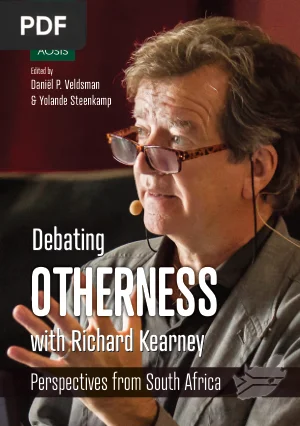
Essays in dialogue with Richard Kearney, one of the leading voices in hermeneutic philosophy after Ricoeur. They explore his diacritical hermeneutics, hospitality to the stranger and the return to God after God.
Lectures that use Gadamer's hermeneutics to explain how cultures and religious traditions can understand each other. McLean moves from the nature of tradition and interpretation to dialogue between civilizations.
Should the author's intention decide what a text means? This short history follows the debate from Schleiermacher and Romantic hermeneutics through New Criticism and Barthes to today's theories of interpretation.
What happens to interpretation when historians read sources through databases and algorithms? These essays rethink hermeneutics for digital research, from source criticism to data visualization.
Interpretation is just as central in Islam, and these hermeneutics books show how scholars read the Qur'an. They cover classic tafsir, thematic commentary and modern intertextual methods.
Twenty-five scholars read 50 passages of the Qur'an together and compare their interpretations. Each passage gets a set of commentaries, which makes this a rare window into how Qur'anic scholars actually work.
Mehdi Azaiez, Gabriel Said Reynolds, Tommaso Tesei & Hamza M. Zafer (eds.)
Galadari proposes a method of intertextual reading that connects the Qur'an with the Bible and with science and history. It is a bold study of how Qur'anic words carry several layers of meaning.
A modern tafsir that reads each surah as a whole, drawing out its central themes instead of commenting verse by verse. A clear example of thematic interpretation of the Qur'an from one of the leading Muslim scholars of the 20th century.
Every court ruling starts with an act of interpretation. These books show how hermeneutics explains the way judges read laws, contracts and constitutions, from Francis Lieber to today's legal theory.
The first systematic American work on how to interpret laws and constitutions. Lieber separates interpretation from construction and sets out rules for reading legal texts that judges and scholars still cite.
A legal theorist asks what general hermeneutics can learn from the way courts interpret law. Poscher responds to Gadamer and builds an analytical model that separates interpretation, construction and legal argument.
How does language shape the meaning of a law, a contract or a court ruling? This book applies linguistics to legal interpretation, covering ambiguity, pragmatics, plain language and forensic analysis of legal texts.
A study of how national judges interpret international law, based on the case law of Swiss courts. Ammann compares their methods with the rules of the Vienna Convention and proposes a framework for sound legal interpretation.
Send this page to someone who’d love to read it. Everything is free, no sign-up needed.
Esc
Start typing to search...
Searching...
No results found
Try different search terms
Your book is downloading!
If InfoBooks helped you, you can support us in one click: add us as a preferred source on Google. You'll see more of our books when you search, and you'll help us keep sharing free reading with everyone.
Done! Your book is downloading
Know someone who’d enjoy reading it? Send them this page. It’s free, no sign-up needed, and you help us spread the love of reading.