11 Free Philosophy Books for Kids and Teens [PDF]
by InfoBooks
Philosophy for kids starts with the big questions children already ask, like what is fair and what is real. These free PDF books help you turn those questions into good conversations at home or in the classroom.
Philosophy for Children (P4C) began in the 1970s, when Matthew Lipman wrote philosophical stories for schoolchildren. Today teachers use his community of inquiry to help students build critical thinking and respect other points of view.
You'll find lesson plans and teacher guides, plus ethics books that kids and teens can read on their own. Pick one, download it free and start your first philosophy conversation today.
Download every philosophy book for kids and teens on this page
All the books on this page in one ZIP file, instead of downloading them one by one.
We will redirect you to accounts.google.com to complete sign-in.
Email and name only · We never send spam
Download every philosophy book for kids and teens on this page
All the books on this page in one ZIP file, instead of downloading them one by one.
Direct download · One ZIP file
Download started. Check your downloads folder for the ZIP.
Books on Teaching Philosophy to Children
These philosophy for children guides show teachers how to pick a question, guide the dialogue and let the kids do the thinking. They range from Lipman's own method to lesson plans that fit into a busy school curriculum.
-
The founders of Philosophy for Children explain their method to elementary school teachers: how to set up a classroom dialogue, avoid indoctrination and help kids reason about their own questions. Written as the introduction to the manual for Harry Stottlemeier's Discovery.
Verified PDF · Secure download -
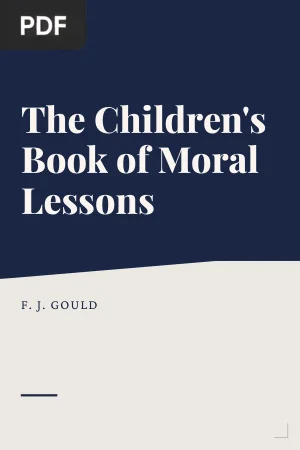
A classic guide for teachers and parents with a full year of moral lessons for children, built around stories, poems and class discussion on courage, honesty and kindness. Written in 1910, so its tone is old-fashioned, but its approach of letting kids talk through hard choices still works.
Verified PDF · Secure download



Philosophy Books for Young Readers
These philosophy books for kids and teens are written for young readers to enjoy on their own, from about age 9 and up. Some are classics from over a century ago, so they sound old-fashioned, but their questions about honesty, courage and fairness still matter.
-
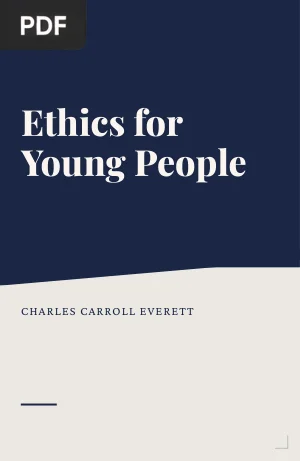
A Harvard professor's short introduction to right and wrong, written for young readers. It covers duty, honesty, courage and self-respect in simple chapters. Published in 1891, so the style is old-fashioned, but the questions are timeless. Ages 13 and up.
Verified PDF · Secure download

Philosophy for kids is a habit, not a school subject: the more children question, the better they think. When a teen is ready for more, our philosophy books for beginners are the natural next step.
Want to keep exploring? Browse all our free philosophy books in PDF.
You Might Also Like
Philosophy Books for Beginners
Questions, thinkers, classics. A gentle first path into the big ideas of philosophy.
Ethics Books
Morality, values, right and wrong. Philosophical inquiry into what it means to live well.
General Philosophy Books
Intro textbooks, history, religion and science. Classic and modern books to help you start thinking like a philosopher.
Pedagogy Books
Teaching, learning, methods. The theory and practice of education.