Looking for philosophy books for beginners? This collection walks you from your first questions about knowledge, ethics and the mind to the short classics that started it all.
Every book here was chosen because a newcomer can actually finish it. You'll read Socrates defending his life in Plato's Apology, Marcus Aurelius writing notes to himself, and Bertrand Russell explaining philosophy in plain English.
Start with a clear introduction, then read the thinkers themselves in the order they wrote. Every book is free to read online or download as PDF.
📚
Download every book on this page in one click
Sign in with Google and grab them all without going one by one.
We will redirect you to accounts.google.com to complete sign-in.
Email and name only · We never send spam
Access unlocked
Download every book on this page in one click
Get them all together, without going one by one.
Direct download · One ZIP file
Download started. Check your downloads folder for the ZIP.
Introductions
Introduction to Philosophy Books
Not sure what philosophy even studies? These friendly introductions map its big questions, from free will to what we can know.
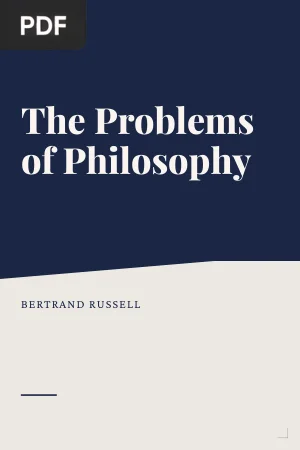
Bertrand Russell asks whether we can know anything for certain, starting with the table in front of you. Written for general readers in 1912, it is still one of the clearest first books in philosophy.
A friendly college textbook that teaches you how to read and build arguments, then walks through mind, knowledge, God, ethics and free will. Written for students taking their first philosophy class.
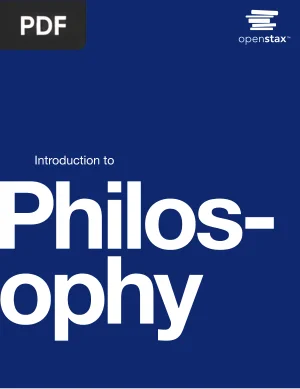
A complete open textbook that covers logic, ethics, metaphysics and philosophy around the world, from ancient India to modern Africa. Chapter summaries and review questions make it easy to study on your own.
What is a mind, and how does it fit into a physical world? Short chapters introduce dualism, physicalism, consciousness and personal identity in plain language, each with questions to think through.
Socrates stands trial for his life and refuses to apologize for asking questions. The shortest way into Plato and the best place to start. Our own Project Aldus edition.
A friend visits Socrates in prison with an escape plan, and Socrates explains why he will stay. A short dialogue on justice and the law, in our own Project Aldus edition.
Can virtue be taught? Socrates walks a young boy through a geometry puzzle to show how learning works. One of Plato's most accessible dialogues, in our own Project Aldus edition.
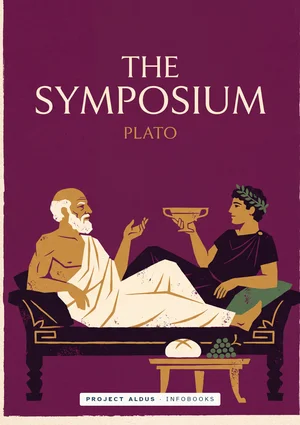
Seven guests at a dinner party each give a speech about love, ending with Socrates and a drunk Alcibiades. Plato at his most entertaining, in our own Project Aldus edition.
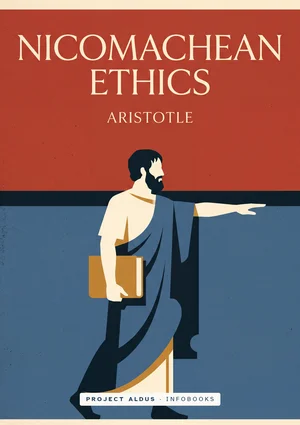
Aristotle asks what makes a life go well and answers with virtue, habit and friendship. W. D. Ross's classic translation of the founding book of Western ethics.
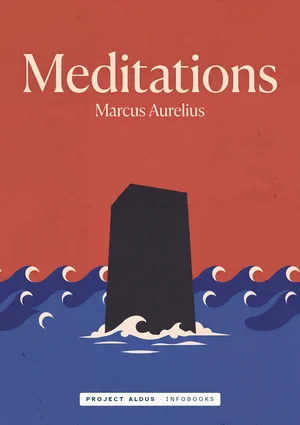
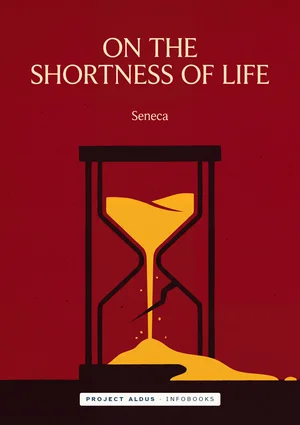
The private notebook of a Roman emperor reminding himself to stay calm, fair and humble. The most popular Stoic book to start with. Our own Project Aldus edition, newly typeset for easy reading.
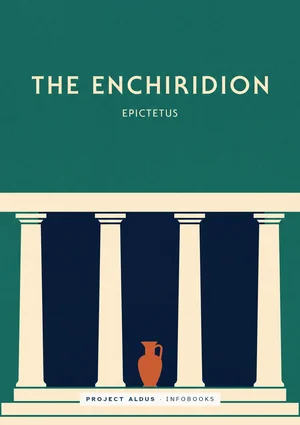
Epictetus, a former slave, boils Stoicism down to one rule: know what is in your control and what is not. A short handbook you can read in an evening. Our own Project Aldus edition.
Modern philosophy begins with Descartes doubting everything until he finds one thing he can't doubt. Kant, Hume and Mill then take on reason, freedom and duty in works shorter than their reputation.
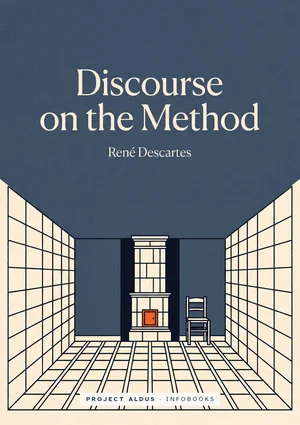
Descartes doubts everything until he reaches one certainty: I think, therefore I am. The short, personal book that launched modern philosophy. Our own Project Aldus edition.
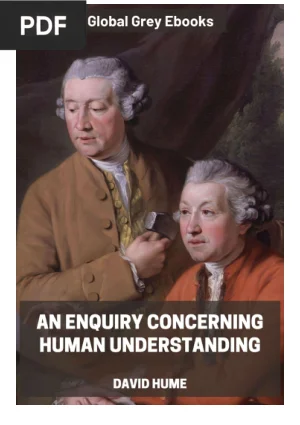
Hume asks how we know anything about cause and effect, and finds the answer is habit, not reason. A readable classic of empiricism that shaped Kant and modern science.
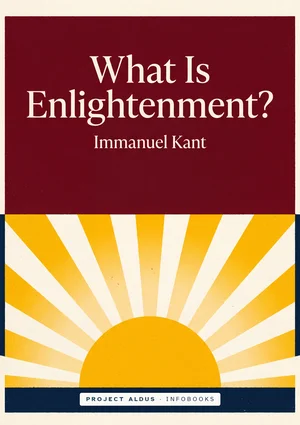
The short essay that gave the Enlightenment its motto: dare to think for yourself. Our own Project Aldus edition, a few pages you can read in one sitting.
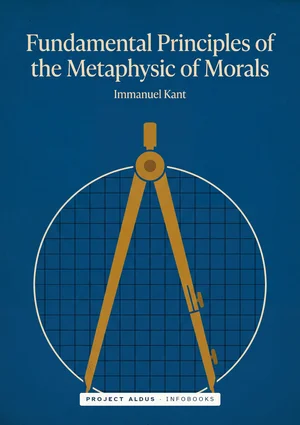
Kant explains why doing the right thing means acting on rules you could want everyone to follow. The book that introduced the categorical imperative. Our own Project Aldus edition.
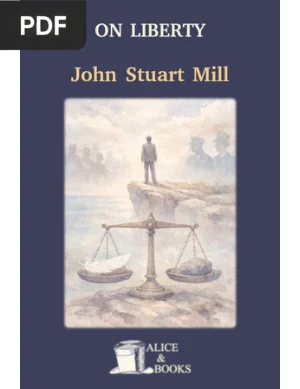
Mill defends freedom of thought, speech and lifestyle, as long as you don't harm others. A clear, powerful argument that still shapes debates about free speech today.
Send this page to someone who’d love to read it. Everything is free, no sign-up needed.
Esc
Start typing to search...
Searching...
No results found
Try different search terms
Your book is downloading!
If InfoBooks helped you, you can support us in one click: add us as a preferred source on Google. You'll see more of our books when you search, and you'll help us keep sharing free reading with everyone.
Done! Your book is downloading
Know someone who’d enjoy reading it? Send them this page. It’s free, no sign-up needed, and you help us spread the love of reading.