17 Free David Hume Books [PDF]
by InfoBooks
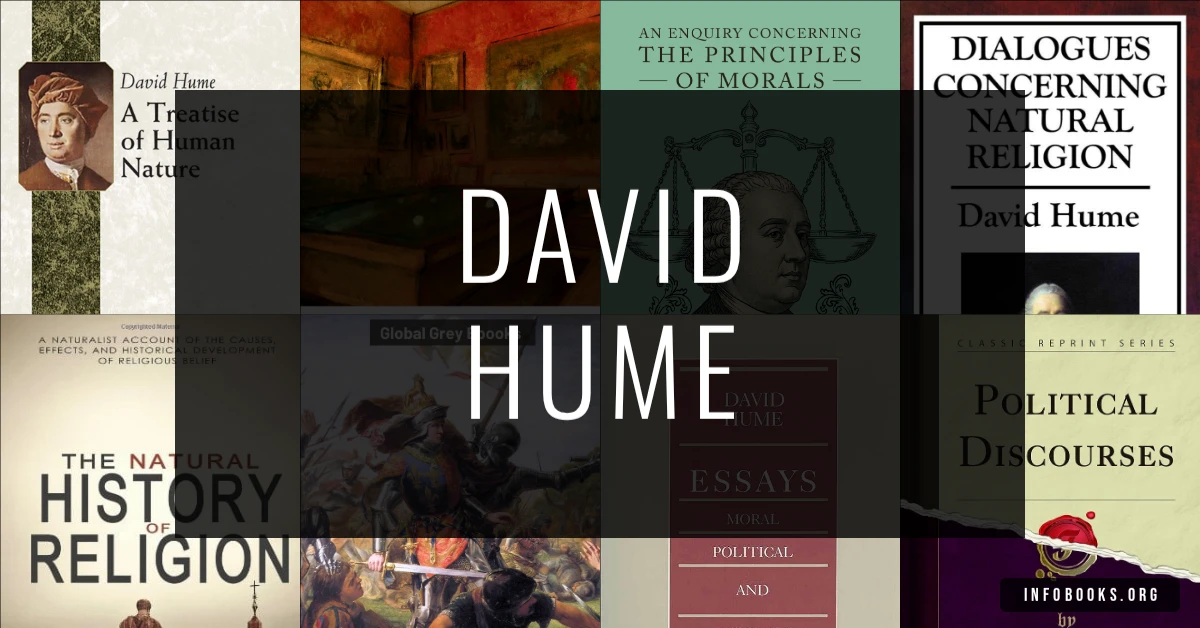
Looking for David Hume books you can read for free? Hume (1711-1776) was the Scottish philosopher who took empiricism to its limits and questioned cause and effect.
This collection brings together 17 of his works in PDF, from A Treatise of Human Nature to his six-volume History of England. Written in the Scottish Enlightenment, they woke Immanuel Kant from his "dogmatic slumber."
Every book is free to read online or download as PDF. New to Hume? Start with An Enquiry Concerning Human Understanding, which is short, clear and holds his key ideas.
Download every book on this page in one click
Sign in with Google and grab them all without going one by one.
We will redirect you to accounts.google.com to complete sign-in.
Email and name only · We never send spam
Download every book on this page in one click
Get them all together, without going one by one.
Direct download · One ZIP file
Download started. Check your downloads folder for the ZIP.
Hume's Philosophy: The Treatise and the Enquiries
Hume wrote A Treatise of Human Nature before he was 30, then retold its ideas in two shorter Enquiries. Together they hold his thinking on causation, the self and morals, where British empiricism after John Locke ends up.
Hume on Religion
Hume's writings on religion made him the most famous skeptic of his century, and his essay on miracles still sets the terms of the debate. Next to the Dialogues Concerning Natural Religion you'll find The Natural History of Religion and his essays on suicide and the soul.
The History of England
In his lifetime Hume was better known as a historian than as a philosopher, and his History of England was a bestseller. Here it comes in six volumes, from Julius Caesar and the Britons to the Revolution of 1688.
Hume's Essays
Hume's essays are where he wrote for a wide audience, on government, trade, money and taste. His friend Adam Smith learned a lot from the Political Discourses, and Of the Standard of Taste is still argued over today.
Hume wrote with a clarity few philosophers manage, and that's why he's still read outside the classroom. Pick one book and you'll soon want the next.
Want more thinkers from the Enlightenment? Browse our full collection of free classic authors books.
You Might Also Like
Empiricism Books
Experience, senses, evidence. The philosophy that knowledge comes from sensory experience.
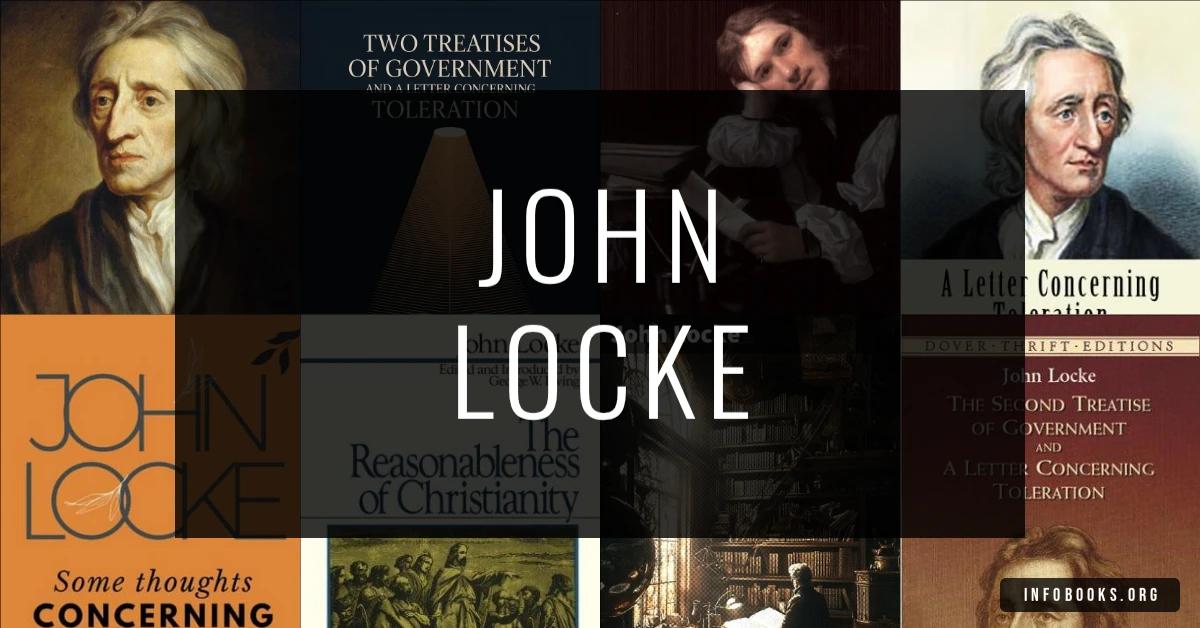
John Locke
Natural rights, empiricism, toleration. The English philosopher who shaped liberalism and modern government.
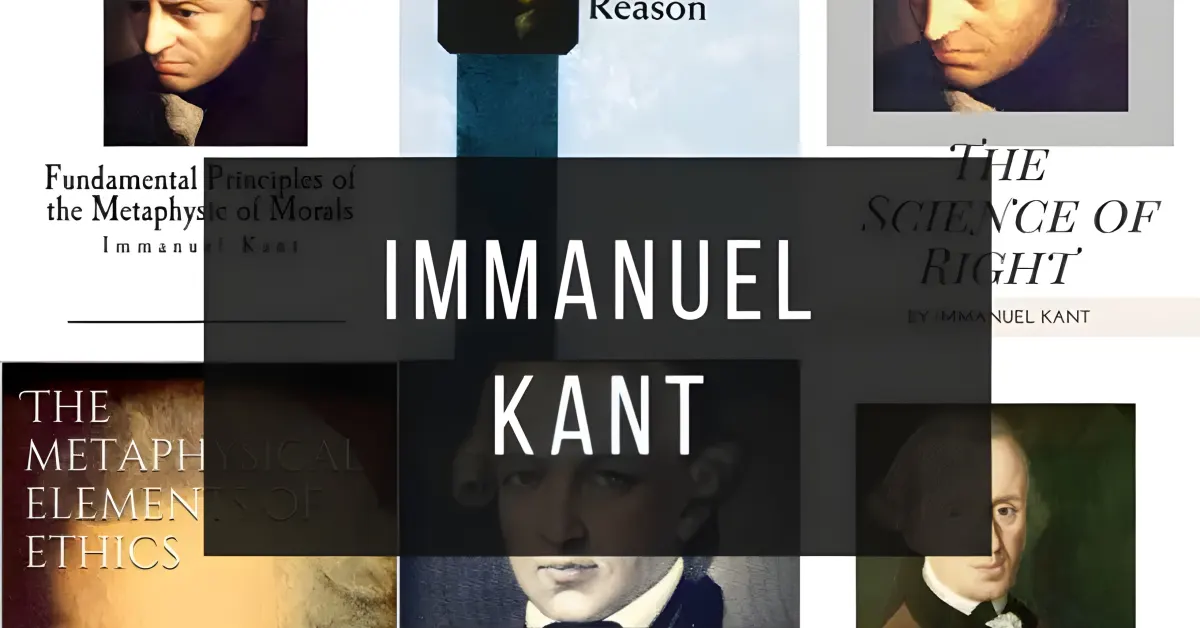
Immanuel Kant Books
German philosopher who reshaped how we think about knowledge, morality, and reason. The Critique of Pure Reason asked what the human mind can actually know. The answer changed philosophy forever.
Epistemology Books
Knowledge, belief, justification. The study of what knowledge is and how we acquire it.

History of England Books
Crown, parliament, empire. England's history from medieval times to the modern era.