10 Free John Locke Books [PDF]
by InfoBooks
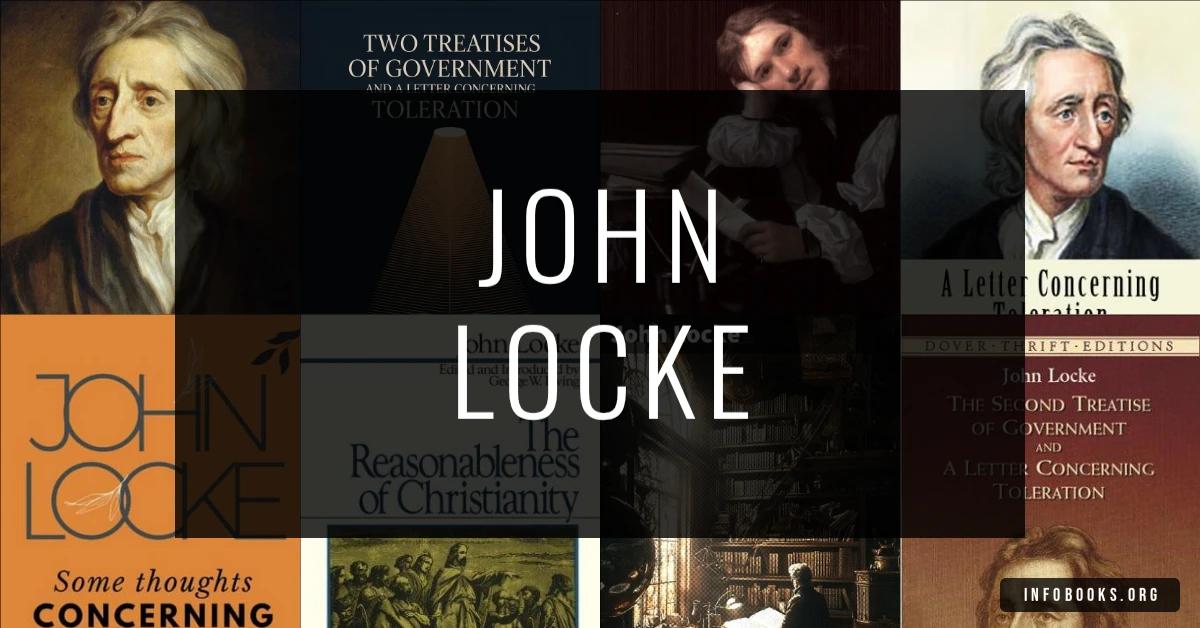
Looking for John Locke books you can read for free? Locke (1632-1704) was the English philosopher behind natural rights, government by consent and the idea that the mind starts as a blank slate.
This collection brings together 10 of his works in PDF, from the Two Treatises of Government to An Essay Concerning Human Understanding. Written around the Glorious Revolution of 1688, they opened the Enlightenment and later echoed in Voltaire, Rousseau and the Declaration of Independence.
Every book is free to read online or download as PDF. Start with the Second Treatise if you care about politics, or with the Essay if you want to know where ideas come from.
Download every book on this page in one click
Sign in with Google and grab them all without going one by one.
We will redirect you to accounts.google.com to complete sign-in.
Email and name only · We never send spam
Download every book on this page in one click
Get them all together, without going one by one.
Direct download · One ZIP file
Download started. Check your downloads folder for the ZIP.
Locke's Political Philosophy
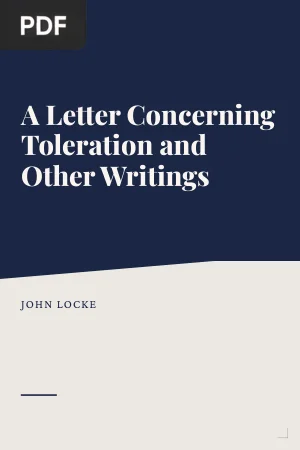
Locke's political works are where natural rights, the consent of the governed and the right to resist a tyrant took shape. Start with the short Second Treatise of Government, then read A Letter Concerning Toleration on keeping church and state apart.
Locke on Human Understanding
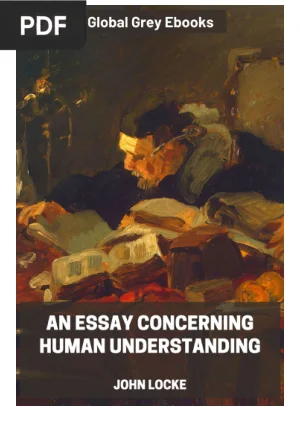
In An Essay Concerning Human Understanding, Locke argues that every idea comes from experience, not from birth. It was his answer to Descartes and the start of British empiricism, the line that runs through Berkeley and David Hume.
Locke on Education, Religion and Money
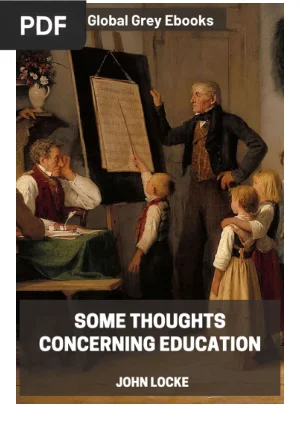
Locke also wrote about raising children, reading the Bible and how money works. Some Thoughts Concerning Education is surprisingly practical, and Rousseau answered it in Emile.
Locke is one of those philosophers you keep running into: in Hume, in Kant, in every debate about rights and government. Reading him in the original is easier than his reputation suggests.
Want more thinkers from his era? Browse our full collection of free classic authors books.
You Might Also Like
Political Philosophy Books
Power, justice, governance. Philosophical reflections on politics and the state.
Empiricism Books
Experience, senses, evidence. The philosophy that knowledge comes from sensory experience.
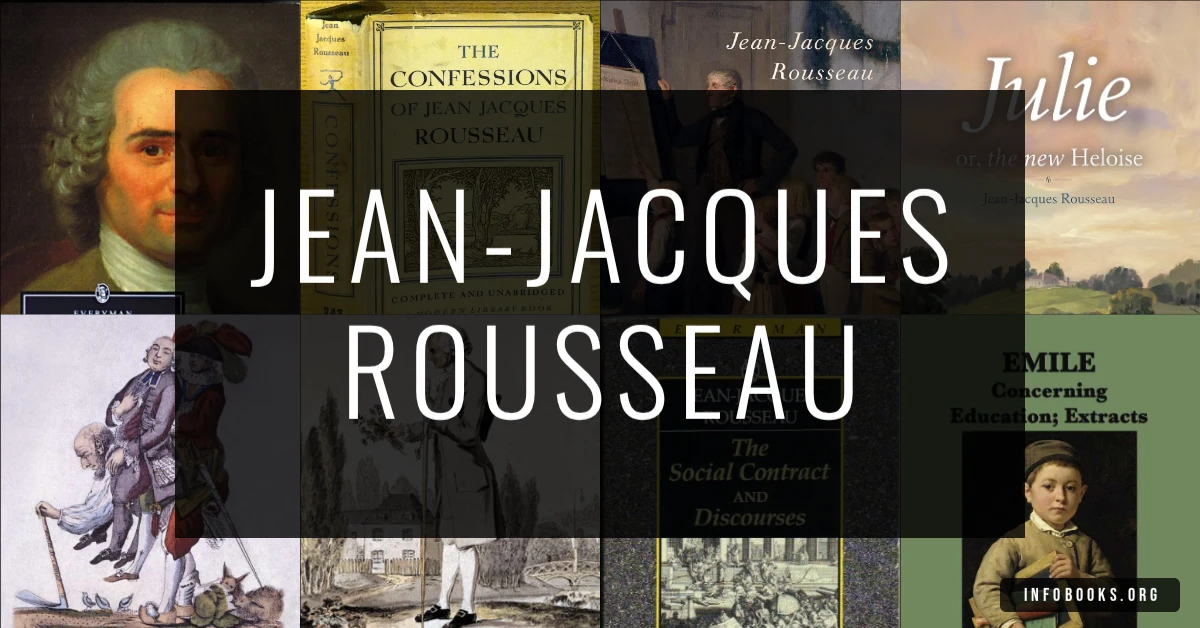
Jean-Jacques Rousseau
Social contract, education, autobiography. The Geneva philosopher who shaped modern democracy and Romanticism.
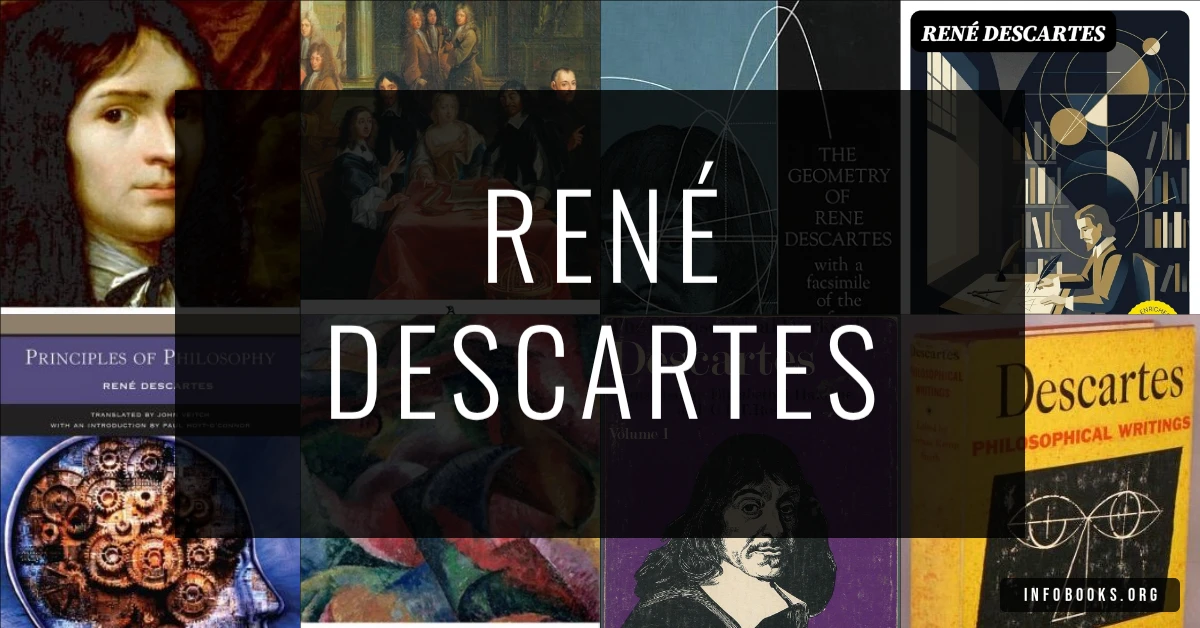
René Descartes Books
René Descartes books, rationalism, modern philosophy. His method, metaphysics and mathematics, from the Discourse to The Geometry.
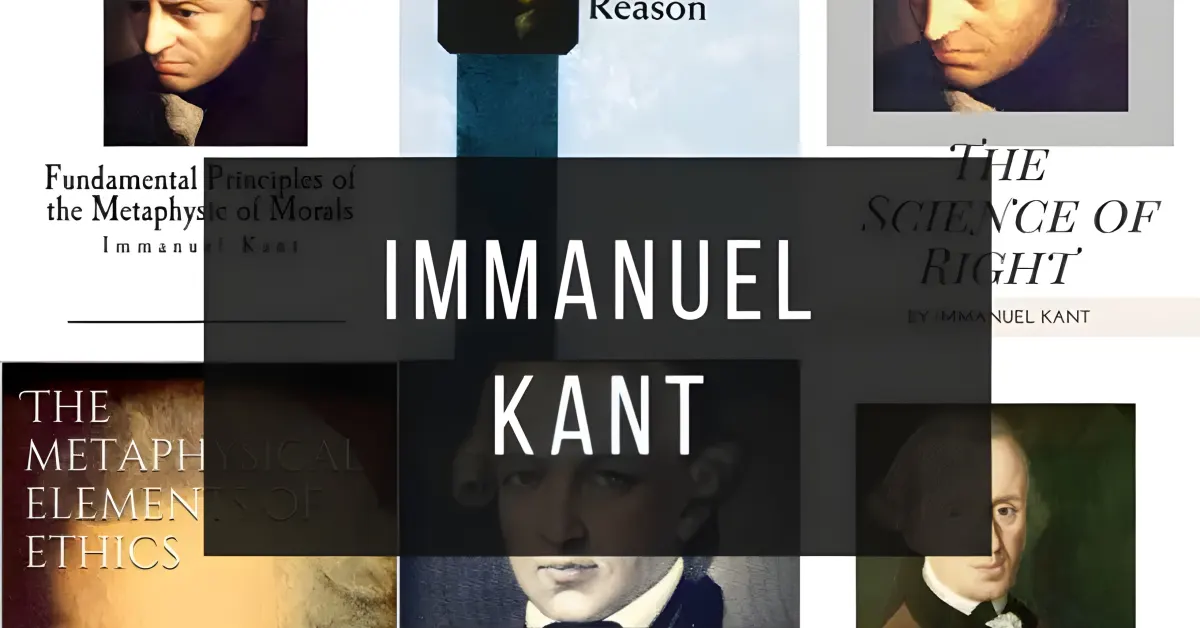
Immanuel Kant Books
German philosopher who reshaped how we think about knowledge, morality, and reason. The Critique of Pure Reason asked what the human mind can actually know. The answer changed philosophy forever.