These free biotechnology books in PDF show how biology gets put to work. Living cells, enzymes and microorganisms become crops, medicines, fuels and cleaner water.
Every book here comes from universities, research institutes and open textbook projects. You'll find first textbooks on recombinant DNA, plus hands-on lab manuals for the bench.
These books are ideal for students, lab technicians and anyone curious about biotech. Pick a branch, from agricultural to marine biotechnology, and start reading for free.
📚
Download the complete collection of biotechnology books and textbooks
All the books on this page in one ZIP file, instead of downloading them one by one.
We will redirect you to accounts.google.com to complete sign-in.
Email and name only · We never send spam
Access unlocked
Download the complete collection of biotechnology books and textbooks
All the books on this page in one ZIP file, instead of downloading them one by one.
Direct download · One ZIP file
Download started. Check your downloads folder for the ZIP.
Introductory
Introductory Biotechnology Books
Start here if biotechnology is new to you. These textbooks explain cells, DNA and recombinant DNA technology in plain language.
A complete first-year textbook that builds from cell biology and DNA to recombinant DNA, cell culture and the main branches of biotech. Clear explanations, color figures and review questions in every chapter.
A structured introduction that moves from the history and fundamentals of biotechnology to genetic engineering, culture techniques and downstream processing. It closes with real applications in agriculture, health and industry.
An official school textbook that introduces biotechnology from scratch: cells, biomolecules, genetics and the basic tools of the lab. Short chapters, diagrams and exercises make it ideal for beginners.
The follow-up volume covers recombinant DNA technology, genomics, protein engineering, cell culture and bioprocessing. Clear diagrams and end-of-chapter questions help you check what you learned.
Theory clicks faster at the bench. These biotechnology lab manuals walk you through micropipetting, gel electrophoresis, PCR and plasmid DNA extraction step by step.
A hands-on lab manual that starts with safety and the lab notebook, then trains you in measurement, micropipetting, buffers, electrophoresis and other core techniques. Each lab lists learning outcomes and study questions.
A beginner lab course covering the scientific method, lab safety, measurements, micropipetting, dilutions, spectrophotometry and buffer preparation. Ends with a final practicum to test your bench skills.
A quick reference to more than 30 lab methods, from PCR, gel electrophoresis and molecular cloning to CRISPR, flow cytometry and Western blot. Each entry explains how the technique works and when to use it.
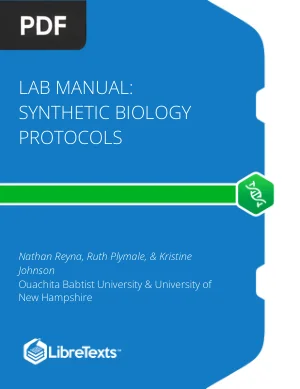
A semester-long synthetic biology course with step-by-step protocols for plasmid extraction, DNA digestion, gel electrophoresis, ligation and bacterial transformation. Includes instructor notes and equipment guides.
From plant tissue culture to transgenic crops, these books show how biotech helps farmers grow more food. They suit agronomy students and plant breeders alike.
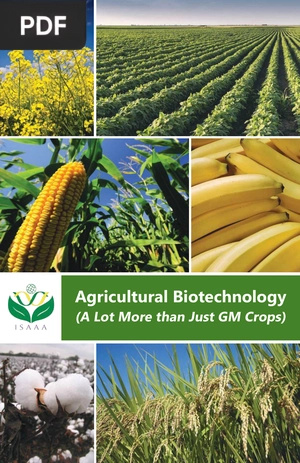
A short, richly illustrated guide to the tools of crop biotechnology: conventional breeding, tissue culture, marker assisted selection, genetic engineering and molecular diagnostics. A fast way to understand what GM crops are and what else biotech does for farming.
A university textbook that links DNA, gene expression and mutations to crop improvement. Chapters on PCR, recombinant DNA technology and genetic engineering show how biotech changes agriculture.
A complete course in 29 lectures on plant tissue culture, micropropagation, somatic embryogenesis, gene transfer, transgenic plants and molecular markers. Great for agronomy students preparing exams.
Covers the main methods for developing new crop varieties, from hybridization and backcrossing to mutation breeding. A full chapter explains the novel traits that molecular genetics and biotechnology bring to breeding programs.
Fermentation, bioreactors and industrial enzymes are behind your bread, cheese and many medicines. These industrial biotechnology books explain how the process scales up.
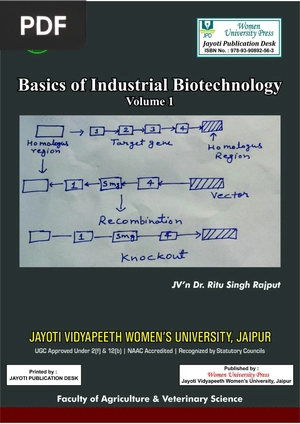
University course notes on fermentation, primary and secondary metabolites, industrial enzymes, microbial breakdown of pollutants and vaccine production. A compact overview of how biotech scales up.
An introductory text on fermentation, upstream and downstream processing, and the production of primary and secondary metabolites, ethanol and vitamins. Each chapter ends with review questions.
A collection of research articles on industrial enzymes and how they are discovered, engineered and used in food, fuels, chemicals and medicine. Ideal for advanced students who want to see current research in action.
Course notes on the microorganisms behind bread, cheese, yogurt, beer and wine, plus food enzymes, preservation and genetically modified foods. Shows how fermentation became one of the oldest biotechnologies.
Vaccines, monoclonal antibodies and stem cell therapy all come from this branch. These books cover how pharmaceutical biotechnology turns lab discoveries into medicines.
University course notes on animal cell culture, tissue engineering, prenatal and microbial diagnosis, vaccines, monoclonal antibodies and stem cell therapy. A good bridge between biotech theory and medicine.
Course notes on how new drugs are discovered, tested and turned into medicines: routes of administration, pharmacokinetics, dosage forms and manufacturing, plus preclinical and clinical evaluation.
Research articles on how biopharmaceuticals like antibodies and vaccines are produced at scale, with modeling, process control and digital twins of cell culture. For readers heading into biomanufacturing.
University course notes that start with ecology and pollution and move on to bioremediation, biological wastewater treatment, biofuels and genetically engineered microbes that break down pollutants.
A student textbook on how microbes and plants clean polluted soil and water, with chapters on bioremediation, waste treatment, bioenergy and biodegradation. Clear structure and plain language.
K. Pavithran, J. Marshal, S. Jayalakshmi and B. Yukesh
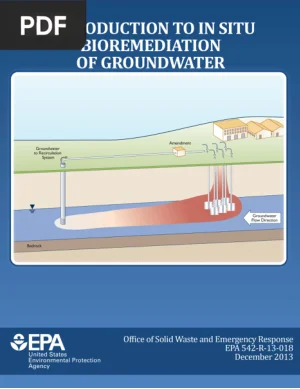
A technical guide to using microorganisms to destroy contaminants in groundwater, covering aerobic and anaerobic processes, site design and performance monitoring. Real field practice behind environmental biotech.
A broad review of marine biotechnology written by dozens of experts: marine drugs, microalgae, aquaculture, bioprospecting and the tools that make them possible. A great map of the field.
Course notes on ocean ecosystems and marine microbes, bioactive compounds from the sea, marine drugs, microalgae and aquaculture biotechnology. A full semester in one PDF.
A position paper on how marine organisms can supply new foods, medicines, energy and industrial materials, and what research is needed to get there. Useful for understanding where the field is heading.
Send this page to someone who’d love to read it. Everything is free, no sign-up needed.
Esc
Start typing to search...
Searching...
No results found
Try different search terms
Your book is downloading!
If InfoBooks helped you, you can support us in one click: add us as a preferred source on Google. You'll see more of our books when you search, and you'll help us keep sharing free reading with everyone.
Done! Your book is downloading
Know someone who’d enjoy reading it? Send them this page. It’s free, no sign-up needed, and you help us spread the love of reading.