These utilitarianism books explain the theory that judges every action by one test: does it produce the greatest happiness? You'll read Jeremy Bentham, John Stuart Mill, and Henry Sidgwick, then follow the idea into effective altruism.
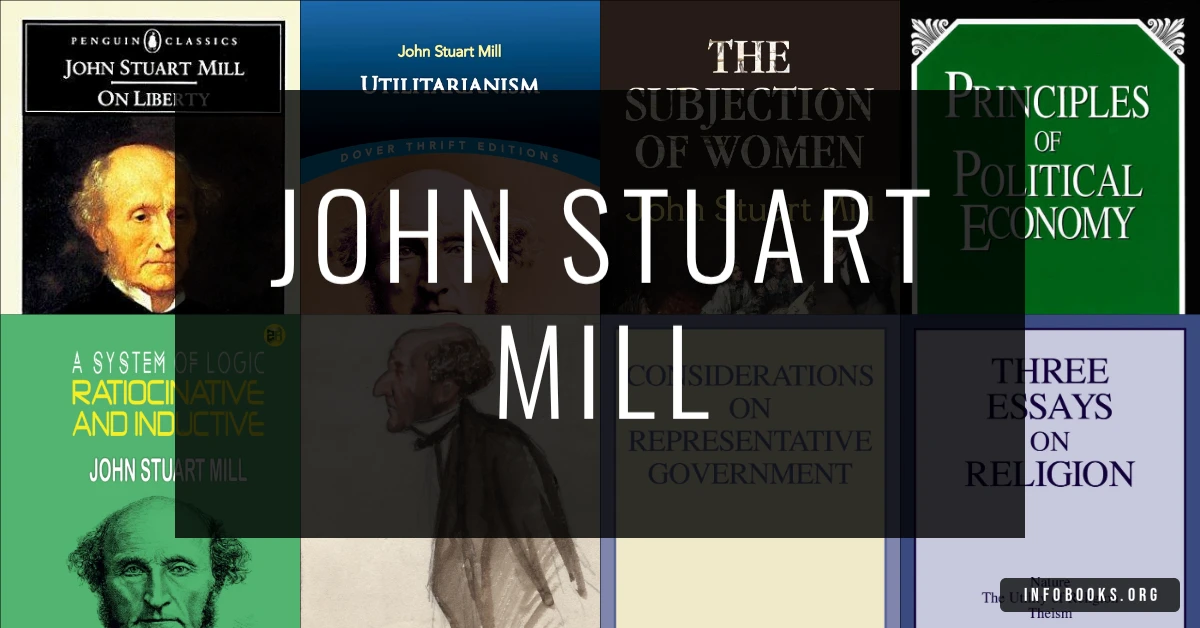
Mill's Utilitarianism is still the clearest short defense of the theory, and you can read it in an afternoon. Pair it with Sidgwick's The Methods of Ethics, which many philosophers rank among the best books ever written on ethics.
Every book is free to read online or download as PDF. Start with the founders and finish with Peter Singer's case for giving more, and giving better.
📚
Download every book on this page in one click
Sign in with Google and grab them all without going one by one.
We will redirect you to accounts.google.com to complete sign-in.
Email and name only · We never send spam
Access unlocked
Download every book on this page in one click
Get them all together, without going one by one.
Direct download · One ZIP file
Download started. Check your downloads folder for the ZIP.
Classics
Classical Utilitarianism Books
Utilitarian ideas go back to Epicurus and the Chinese philosopher Mozi, but the theory took its modern shape in 19th-century Britain. These classical utilitarianism books bring together Mill, Sidgwick, and William Paley, with histories and essays that trace the whole movement.
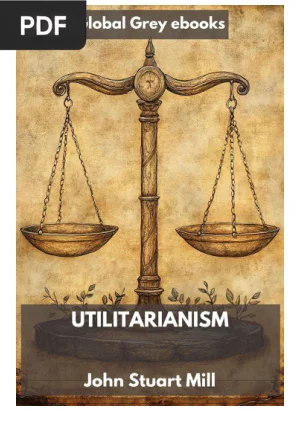
John Stuart Mill's short classic defends the greatest happiness principle and answers its main objections. Read his case that some pleasures are higher than others, and why justice rests on utility.
Henry Sidgwick tests egoism, intuitionism, and utilitarianism against each other in this landmark of moral philosophy. The most rigorous classical case for utilitarianism, for readers ready for a demanding book.
William Paley grounds morality in general happiness and applies it to property, promises, and government. This was the utilitarian ethics most students read before Bentham and Mill.
Leslie Stephen tells the story of Jeremy Bentham and the world that produced him. A readable history of how utilitarianism grew from one reformer's idea into a political movement.
Ernest Albee traces utilitarian ethics from Cumberland and Hutcheson through Hume, Paley, Bentham, and Mill to Sidgwick. Ideal to see where the theory came from before Bentham named it.
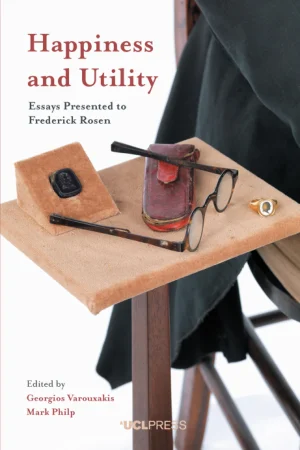
Leading scholars examine Bentham, Mill, and their critics in essays on happiness, utility, liberty, and law. An open access collection that shows how classical utilitarianism is studied today.
Jeremy Bentham wrote the founding text of utilitarianism in 1789, hoping to measure pleasure and pain and use the result to rewrite the law. These Jeremy Bentham books show that reformer at work, from the felicific calculus to punishment, prisons, and police.
Bentham's founding text sets out the principle of utility and the felicific calculus for weighing pleasure and pain. See how he turned an ethical idea into a program for reforming the law.
Bentham's first book attacks Blackstone's defense of the legal order and states that the greatest happiness of the greatest number is the measure of right and wrong. Short, sharp, and the start of his reform career.
Bentham's principles of civil and penal law, as edited by his disciple Etienne Dumont. It shows the utility principle at work on property, security, equality, and punishment.
Bentham asks when punishment is justified and how much is enough, using the logic of pleasure and pain. A clear guide to the utilitarian theory of criminal law.
This volume of The Collected Works of Jeremy Bentham sets his Panopticon prison against the transportation of convicts. Read Bentham's case against the penal colony, with full scholarly notes.
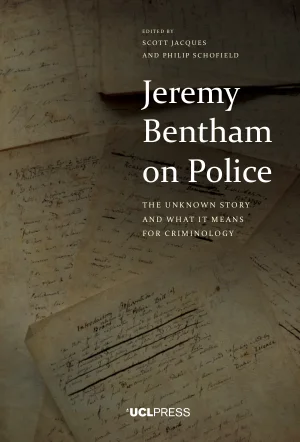
Scholars introduce Bentham's little known writings on police and test them against modern criminology. Includes an extract from his manuscripts, made public by the Bentham Project.
Effective altruism turns a utilitarian question into a practical one: how can you do the most good with your time and money? These effective altruism books start with Peter Singer and continue with research on global poverty, moral uncertainty, and the long-term future.
Peter Singer argues that if you can prevent suffering at little cost to yourself, you should, and shows how to give effectively to fight extreme poverty. This tenth anniversary edition is free from his own organization.
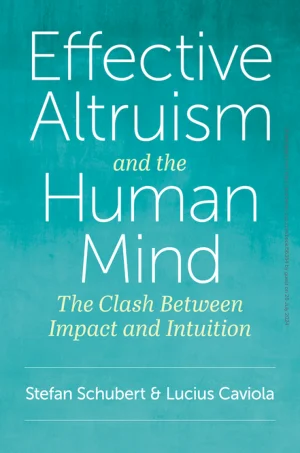
Why do people give in ways that do little good? Stefan Schubert and Lucius Caviola use psychology research to explain the gap between impact and intuition, and how to close it.
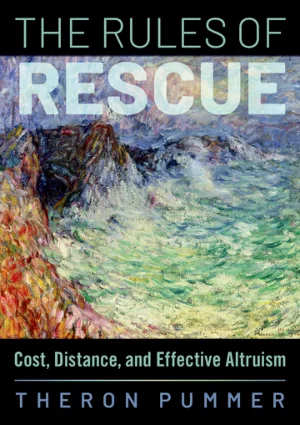
Theron Pummer asks when you are required to help others and how much cost, distance, and choice of cause matter. A careful philosophical case for when doing good becomes a duty.
What should you do when you are not sure which moral theory is right? William MacAskill, Krister Bykvist, and Toby Ord build a framework for deciding under moral uncertainty.
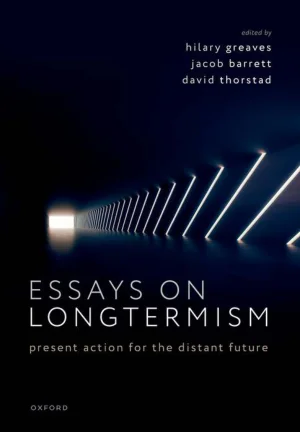
Supporters and critics debate whether shaping the long-term future is a key moral priority today. Philosophers, economists, and legal scholars cover existential risk, future generations, and institutions.
Utilitarianism asks a question that sounds simple and is still hard to answer: what makes an action right? These books hold the arguments that shaped modern ethics, from the felicific calculus to effective giving.
Want to keep exploring? Browse our full collection of free philosophy books.
Send this page to someone who’d love to read it. Everything is free, no sign-up needed.
Esc
Start typing to search...
Searching...
We couldn't find anything
Your book is downloading!
If InfoBooks helped you, you can support us in one click: add us as a preferred source on Google. You'll see more of our books when you search, and you'll help us keep sharing free reading with everyone.
Done! Your book is downloading
Know someone who’d enjoy reading it? Send them this page. It’s free, no sign-up needed, and you help us spread the love of reading.