17 Free John Stuart Mill Books [PDF]
by InfoBooks
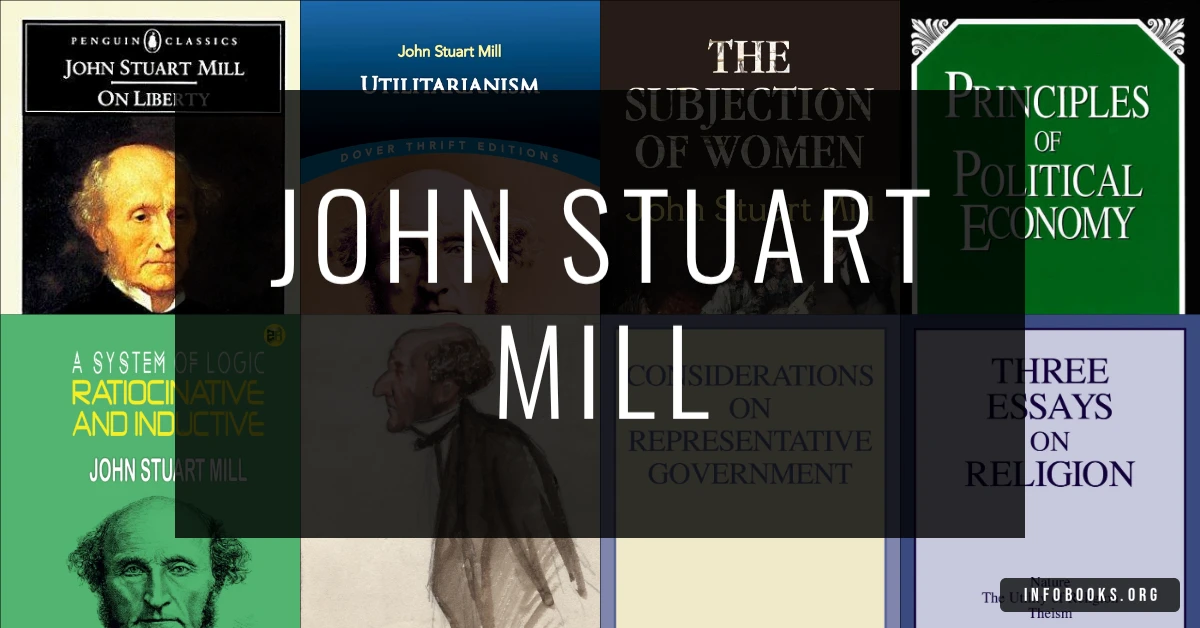
Looking for John Stuart Mill books you can read for free? Mill (1806-1873) was the English philosopher who defended individual freedom in On Liberty and became the most influential liberal thinker of the 19th century.
This collection brings together 17 of his works in PDF, from On Liberty and Utilitarianism to The Subjection of Women and Principles of Political Economy. Many of them took shape in his long partnership with Harriet Taylor Mill, and they cover ethics, politics, economics and logic.
Every book is free to read online or download as PDF. If you're new to Mill, start with On Liberty: it's short, clear and still quoted in every debate on free speech.
Download every book on this page in one click
Sign in with Google and grab them all without going one by one.
We will redirect you to accounts.google.com to complete sign-in.
Email and name only · We never send spam
Download every book on this page in one click
Get them all together, without going one by one.
Direct download · One ZIP file
Download started. Check your downloads folder for the ZIP.
On Liberty, Utilitarianism and Mill's Ethics
On Liberty sets out the harm principle and is still the starting point for any debate on freedom of speech. Utilitarianism refines the ideas of Jeremy Bentham, and Three Essays on Religion asks what a thinking person can believe about God.
Mill on Government and Women's Rights
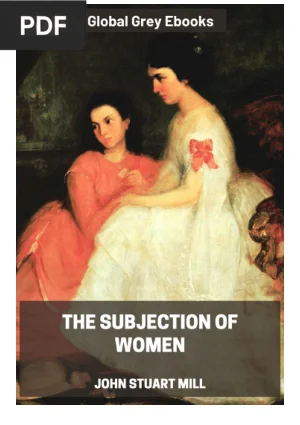
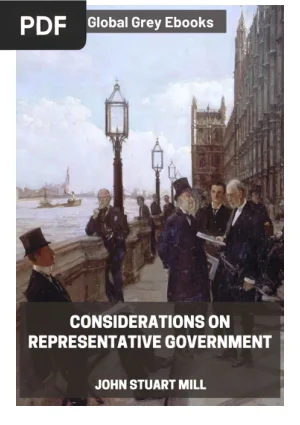
The Subjection of Women argued for full equality between women and men in 1869, shaped by the ideas of Harriet Taylor Mill. Next to it you'll find Mill's guide to representative democracy and his pamphlets on parliamentary reform, Ireland and the American Civil War.
Mill's Political Economy
Principles of Political Economy was the economics textbook of the English-speaking world for half a century, an update of Adam Smith for a new age. Mill's early essays on trade and his unfinished Chapters on Socialism complete the picture.
Logic and Philosophy of Science
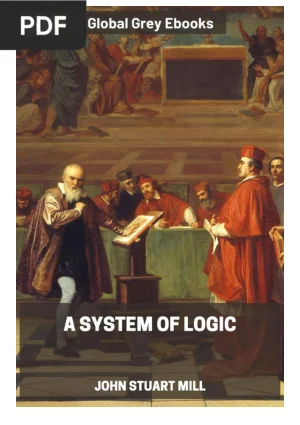
A System of Logic made Mill famous by explaining inductive reasoning and the rules now known as Mill's methods. His books on Auguste Comte and William Hamilton show where British empiricism went after Locke and Hume.
Autobiography and Essays
Mill's Autobiography tells how he learned Greek at three and how Wordsworth's poetry pulled him out of a deep depression at twenty. His essays on Bentham and Coleridge and his St Andrews address on liberal education show the thinker behind the books.
Mill wrote to change minds, not to impress other philosophers. That's why his books are still read in classrooms and parliaments today.
Want more great thinkers? Browse our full collection of free classic authors books.
You Might Also Like
Political Philosophy Books
Power, justice, governance. Philosophical reflections on politics and the state.
Ethics Books
Morality, values, right and wrong. Philosophical inquiry into what it means to live well.
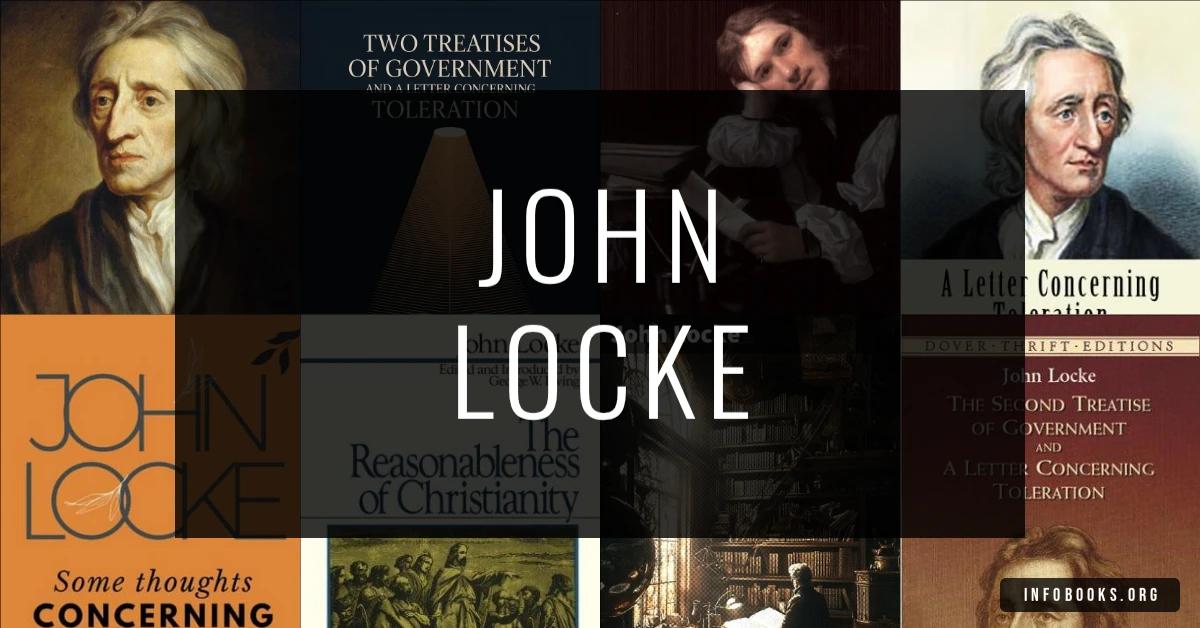
John Locke
Natural rights, empiricism, toleration. The English philosopher who shaped liberalism and modern government.
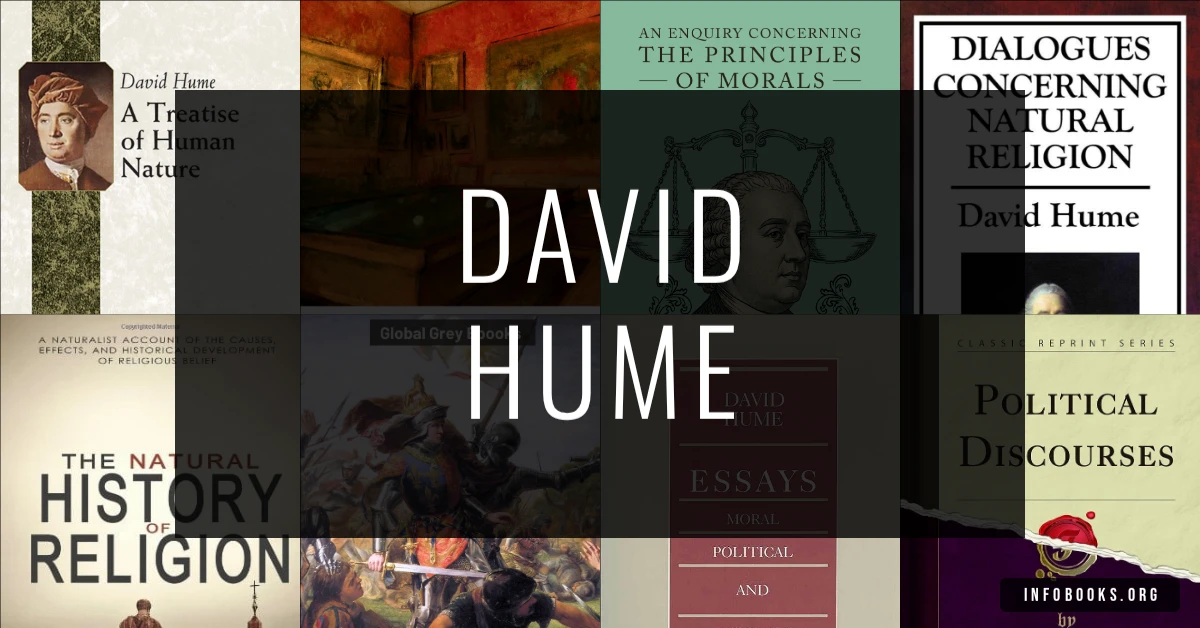
David Hume
Empiricism, skepticism, causation. The Scottish philosopher who questioned how we know anything.
Empiricism Books
Experience, senses, evidence. The philosophy that knowledge comes from sensory experience.