These free stress management books in PDF help you understand what stress does to you and how to bring it down. They cover the stress response in your body, workplace pressure, burnout and PTSD.
Every guide here comes from people who treat stress for a living. You'll find workbooks from the U.S. Department of Veterans Affairs, self-help guides from the NHS and Mind, and reports from the World Health Organization and the International Labour Organization.
Pick the section that fits your situation, from exam stress to trauma recovery. Every book is free to read online or download, one by one or in a single ZIP file.
📚
Download every stress management book on this page
All the books on this page in one ZIP file, instead of downloading them one by one.
We will redirect you to accounts.google.com to complete sign-in.
Email and name only · We never send spam
Access unlocked
Download every stress management book on this page
All the books on this page in one ZIP file, instead of downloading them one by one.
Direct download · One ZIP file
Download started. Check your downloads folder for the ZIP.
Practical
Stress Management Books
Start here if you want practical tools for stress management. These workbooks and guides teach breathing, relaxation and coping skills for adults, teens and parents.
An illustrated stress management guide from the World Health Organization built on five simple skills: grounding, unhooking, acting on your values, being kind and making room. Each chapter takes a few minutes and comes with audio exercises.
A complete open textbook on what stress is, how the body reacts to it and how to manage it. Chapters cover deep breathing, progressive muscle relaxation, yoga and meditation, plus anger, anxiety, eating and exercise, with review questions in each one.
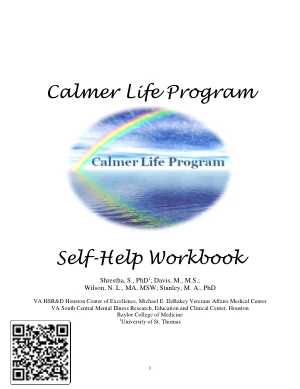
A step-by-step program to bring worry and stress under control. Modules teach deep breathing, progressive muscle relaxation, calming thoughts and problem solving, with practice forms for daily life.
Srijana Shrestha, Michael Davis, Nancy Wilson, Melinda Stanley
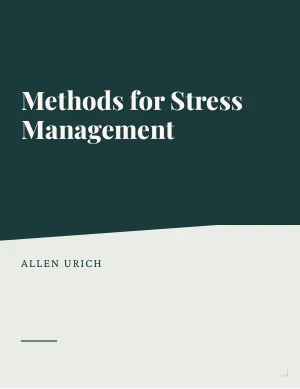
A complete coping handbook that covers the signs of stress overload, sleep, healthy thinking, relaxation and problem solving. Self-assessment questions help you see where your stress comes from.
A practical NHS self-help guide based on cognitive behavioural therapy. It shows you how to manage stress in your body, your thoughts and your behaviour, with a section on stress at work.
Cumbria, Northumberland, Tyne and Wear NHS Foundation Trust
Mind explains what stress is, what causes it and the signs to watch for, then covers ways to deal with pressure, build emotional resilience and get treatment. It also includes tips for friends and family.
A step-by-step stress management workbook that helps you track your stress, then practice proven techniques such as breathing, progressive muscle relaxation and mindfulness. Worksheets let you set your own stress goal.
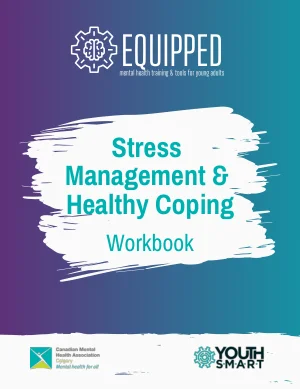
A colorful guided workbook for young adults and older teens to spot their stressors and build healthy ways to cope, with mindful breathing, positive thinking, goal setting and self-reflection activities.
A Red Cross guide to reducing stress and building inner resilience, with simple exercises for the body, the mind and relationships. Clean illustrations make each technique easy to follow.
Helps parents recognize stress in young children and respond calmly, with simple activities for everyday struggles and for the move between home and child care.
Cortisol, the fight-or-flight response and a racing heart all start in the brain. These books explain how the stress response works and why chronic stress harms your health.
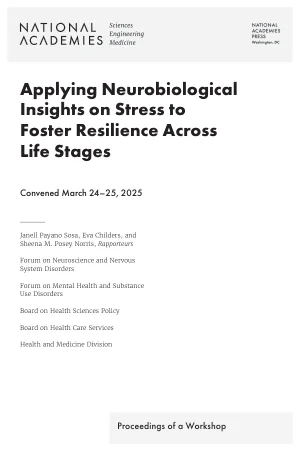
Leading stress researchers explain how stress acts on the brain and body across life, from early adversity and allostatic load to sex differences, parenthood and the effects of trauma on the heart. A recent, readable summary of the neuroscience of stress and resilience.
National Academies of Sciences, Engineering, and Medicine
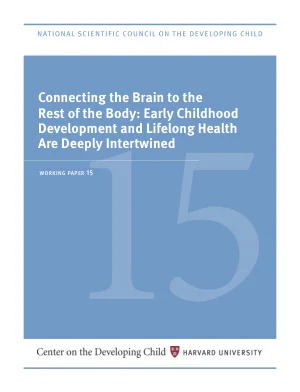
Explains how the stress response links the brain with the immune, metabolic and cardiovascular systems, and why chronic stress early in life can shape health for decades.
National Scientific Council on the Developing Child
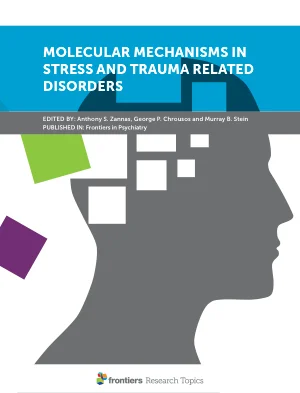
Research on how stress and trauma act through glucocorticoid signaling, inflammation, epigenetics and circadian genes to raise the risk of PTSD and depression.
Anthony S. Zannas, George P. Chrousos, Murray B. Stein
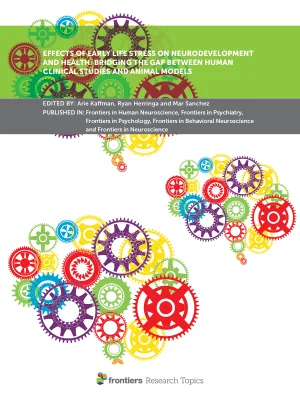
Human and animal studies on how early adversity changes the HPA axis, the amygdala and brain development, with lasting effects on mental and physical health.
Long hours, job insecurity and heavy workloads add up over time. These guides from the WHO, the ILO and NIOSH help employees and employers spot work stress and fix its causes.
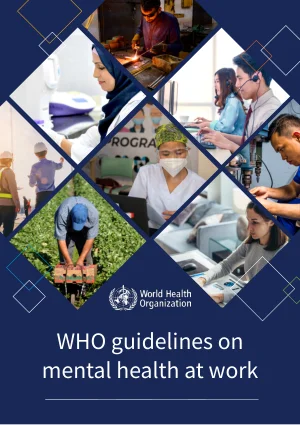
The World Health Organization recommendations for preventing work stress and protecting mental health at work, from organizational changes and manager training to individual stress management programs and returning to work.
A British Academy policy report on work stress: its trends, its causes, such as job insecurity and work intensity, and its costs to health, employers and the economy. Valuable for managers, HR professionals and policymakers.
A step-by-step workbook to find the main sources of stress in a workplace and build an action plan, with checklists, surveys and templates based on the six Management Standards.
The International Labour Organization reviews psychosocial risks at work and their impact on health and productivity. It describes prevention approaches and includes a large annex of assessment questionnaires.
Explains what psychosocial risks are, how they lead to stress at work and how organizations can assess and prevent them, with practical steps and tools.
The classic NIOSH booklet on job stress: what causes it, how it affects health and safety, and how organizations can prevent it. A clear, research-based starting point for employees and employers.
National Institute for Occupational Safety and Health
A weekly course workbook that helps employees understand their own stress and lower it with CBT, mindfulness and compassion-focused exercises. Written for health care staff, useful for any worker.
Burnout is what chronic work stress becomes when nothing changes. These books show how to recognize exhaustion and cynicism early, and how workplaces can prevent them.
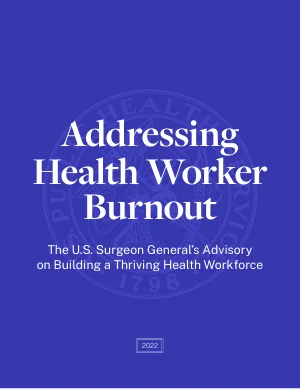
The Surgeon General advisory on why health workers burn out and what health systems, schools, families and workers themselves can do about it. A clear, evidence-based starting point on burnout.
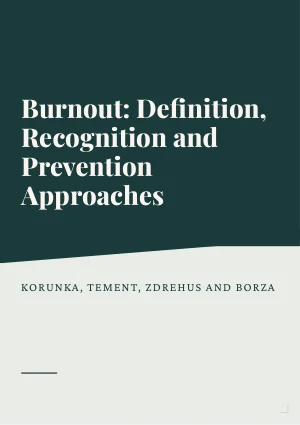
A training manual for managers that explains the main definitions of burnout, the conditions that cause it, how to recognize it and which prevention approaches work, with examples from different jobs.
Christian Korunka, Sara Tement, Cristina Zdrehus and Adriana Borza
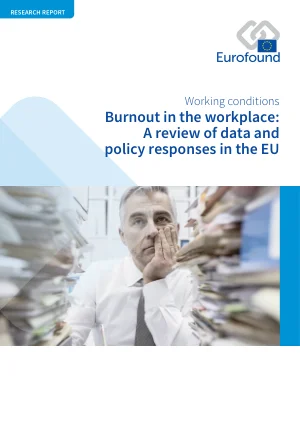
A research review of how burnout is defined, measured and recognized, and what governments and employers do to prevent it. Useful for understanding burnout as a work-related syndrome, not a personal failing.
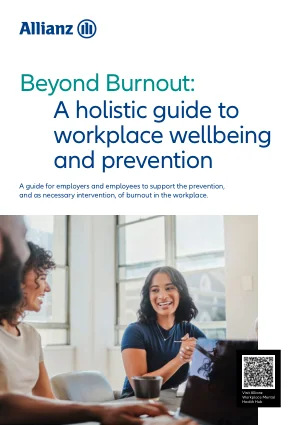
A guide to preventing burnout at work, with parallel chapters for employers and employees on fair workplaces, manageable workloads, communication and autonomy.
Exams, deadlines and a new campus can overwhelm any student. These guides help high school and college students handle the pressure and know when to ask for help.
A complete guide to starting university and handling its pressures, from first exams and workload to stress, sleep and mental health. It explains why some stress helps you perform and when to look for support.
A workbook on the main causes of college stress, such as living away from home, procrastination and new academic demands, with tools for goal setting, prioritizing, time management and self-care.
A guided journal for high school students that explains where exam stress comes from and teaches four ways to handle it: healthy routines, better study habits, challenging anxious thoughts and relaxation.
Post-traumatic stress can follow accidents, violence or disasters. These clinical guidelines, workbooks and field guides explain PTSD, first aid after trauma and the treatments that work.
The APA guideline on psychological and medication treatments for PTSD in adults, with the evidence behind each recommendation, including prolonged exposure, cognitive processing therapy and EMDR.
The standard guide to the first hours and days after a disaster or traumatic event. It shows how to comfort survivors, calm acute stress reactions and connect people with support, with ready-to-use handouts.
National Child Traumatic Stress Network and National Center for PTSD
The NICE guideline on recognizing, assessing and treating PTSD in children, young people and adults, including trauma-focused therapies and care after major incidents.
An NHS self-help guide for people who have lived through a traumatic event. It explains common reactions and shows how to handle flashbacks, nightmares, anger, avoidance and low mood.
A session-by-session workbook that teaches acceptance and commitment therapy skills for living with trauma memories, including mindfulness, values and committed action exercises.
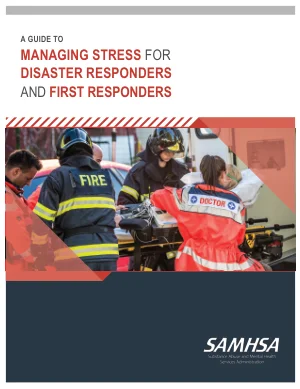
Practical advice for first responders on recognizing acute and traumatic stress before, during and after a deployment, and on taking care of themselves and their teams.
Substance Abuse and Mental Health Services Administration
Send this page to someone who’d love to read it. Everything is free, no sign-up needed.
Esc
Start typing to search...
Searching...
We couldn't find anything
Your book is downloading!
If InfoBooks helped you, you can support us in one click: add us as a preferred source on Google. You'll see more of our books when you search, and you'll help us keep sharing free reading with everyone.
Done! Your book is downloading
Know someone who’d enjoy reading it? Send them this page. It’s free, no sign-up needed, and you help us spread the love of reading.