Travel and tourism is one of the largest industries in the world, and these free PDF books show you how the tourism industry really works.
Inside you'll find tourism management textbooks written for college students and anyone new to the field.
Other sections explore ecotourism, World Heritage sites and how destinations market themselves. The books come from universities, UNESCO, IUCN and the World Bank.
📚
Download every travel and tourism book on this page
All the books on this page in one ZIP file, instead of downloading them one by one.
We will redirect you to accounts.google.com to complete sign-in.
Email and name only · We never send spam
Access unlocked
Download every travel and tourism book on this page
All the books on this page in one ZIP file, instead of downloading them one by one.
Direct download · One ZIP file
Download started. Check your downloads folder for the ZIP.
Management
Tourism Management Books
Start here if you are studying tourism. These tourism textbooks cover the whole industry, from transportation and lodging to tour guiding.
A full college textbook that walks you through the tourism industry: transportation, accommodation, food and beverage, attractions, events and the role of destination marketing. Each chapter ends with key terms and exercises, so it works well for self-study.
A classic introduction to tourism as a global business. It explains who travels and why, how tourists move, and how destinations, suppliers and travel intermediaries work together.
An open textbook (2024) covering the whole hospitality and tourism industry: lodging operations, cruising, casino resorts, restaurants, beverage management, attractions and events. Learning objectives open every chapter.
A 2026 collection of case studies and research by tourism students, grouped into tourism cases, tourism development and research posters. A fresh look at the questions the next generation of tourism professionals is asking.
A handbook for tour guides who want to welcome visitors with motor, sensory or cognitive impairments. It covers how to prepare and adapt a tour, communicate clearly and handle real situations on site.
A step-by-step guide to starting, running and promoting a community-based tourism business. It includes checklists, planning templates and real examples from small tourism enterprises.
Ecotourism, overtourism and community projects all fit here. These books on sustainable tourism show how to host travelers without wearing out the place.
Anna Pollock presents the Conscious Travel approach: a model where tourism businesses act as social entrepreneurs and put the well-being of host communities and places first.
IUCN best practice guidelines on managing tourism in national parks and protected areas. It explains visitor impacts, adaptive management and capacity building, with case studies from around the world.
Volume I of The Nature Conservancy manual for conservation planners. It explains what ecotourism is, its benefits and risks, and how to plan it so it actually protects the places visitors come to see.
Volume II of The Nature Conservancy manual, focused on the business side: market analysis, product development, partnerships and financing ecotourism so it supports conservation over the long term.
Case studies on overtourism in cities, events and nature parks: how residents perceive it, what it damages, and tools that ease the pressure, such as spreading visits across time and space.
A training resource kit for planning community-based tourism in mountain and rural areas. It uses a participatory method in four steps, discovery, dream, design and delivery, with exercises for facilitators.
Research on business models that help tourism companies stay profitable and sustainable, with cases on spa and health tourism, the sharing economy, post-industrial attractions, smart museums and national parks.
Historic cities, creative tourism and UNESCO World Heritage sites. These guides show how communities share their culture with visitors and still protect it.
Essays on how small towns and rural communities use local culture, crafts and place identity to build creative tourism, and how they represent themselves to visitors.
Insights and reflections from the CREATOUR Observatory on how creative tourism can help regenerate places and make destinations more resilient after crises.
The UNESCO practical manual for World Heritage site managers. It shows how to plan for visitors, work with the tourism industry and local communities, and protect a site while it earns income from tourism.
The companion manual of a university course on heritage tourism. It covers World Heritage concepts, local communities, conservation, interpretation, eTourism and the economy of heritage sites.
Silvia De Ascaniis, Maria Gravari-Barbas and Lorenzo Cantoni
A practical handbook for local leaders who want to turn their culture and heritage into tourism experiences. It covers community fit, traveller trends, product development, partnerships and marketing.
Federal Provincial Territorial Ministers of Culture and Heritage
Research on heritage tourism in historic cities: how it shapes urban life, the pressure it puts on monuments and residents, and strategies to keep both the heritage and the city alive.
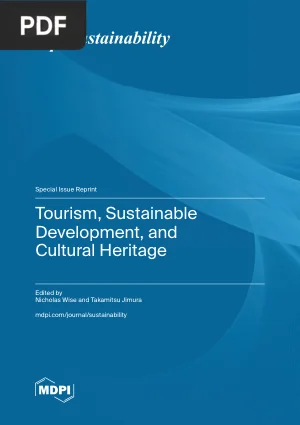
A recent collection of studies on the links between cultural heritage, tourism and sustainable development, with cases on heritage conservation, community well-being and visitor experience.
Learn how destinations build a brand and attract visitors. These tourism marketing books suit students and anyone working at a destination management organization.
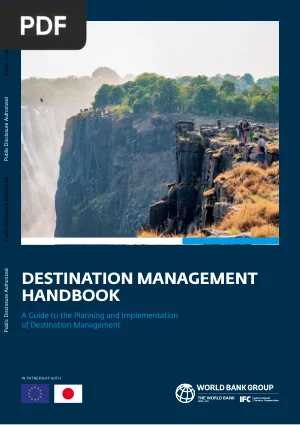
A guide to setting up and running a destination management organization. It covers partnerships, market research, destination marketing and sales, visitor services, events and the digital world.
An open textbook on the principles of marketing applied to tourism, hospitality and services: market research, segmentation, positioning, pricing, distribution, promotion and strategic planning.
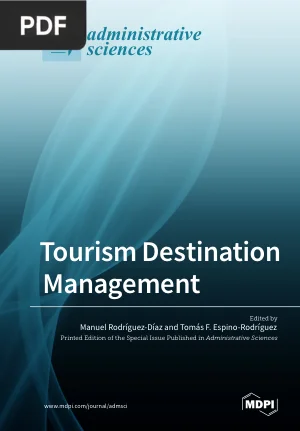
Research on how destinations build and protect their image: online reputation and pricing in lodging, regional image, and the stereotypes that shape how travellers see a place.
Manuel Rodríguez-Díaz and Tomás F. Espino-Rodríguez
Studies on how tourism is marketed and experienced in a sustainable way: visitor satisfaction at heritage sites, online marketing communication, destination loyalty and the needs of different kinds of travellers.
Research on how destinations use marketing to support sustainability: positioning, online visitor reviews, seasonal behaviour, social media at ski resorts and gastronomy as part of a country brand.
Send this page to someone who’d love to read it. Everything is free, no sign-up needed.
Esc
Start typing to search...
Searching...
No results found
Try different search terms
Your book is downloading!
If InfoBooks helped you, you can support us in one click: add us as a preferred source on Google. You'll see more of our books when you search, and you'll help us keep sharing free reading with everyone.
Done! Your book is downloading
Know someone who’d enjoy reading it? Send them this page. It’s free, no sign-up needed, and you help us spread the love of reading.