13 Free Baruch Spinoza Books [PDF]
by InfoBooks
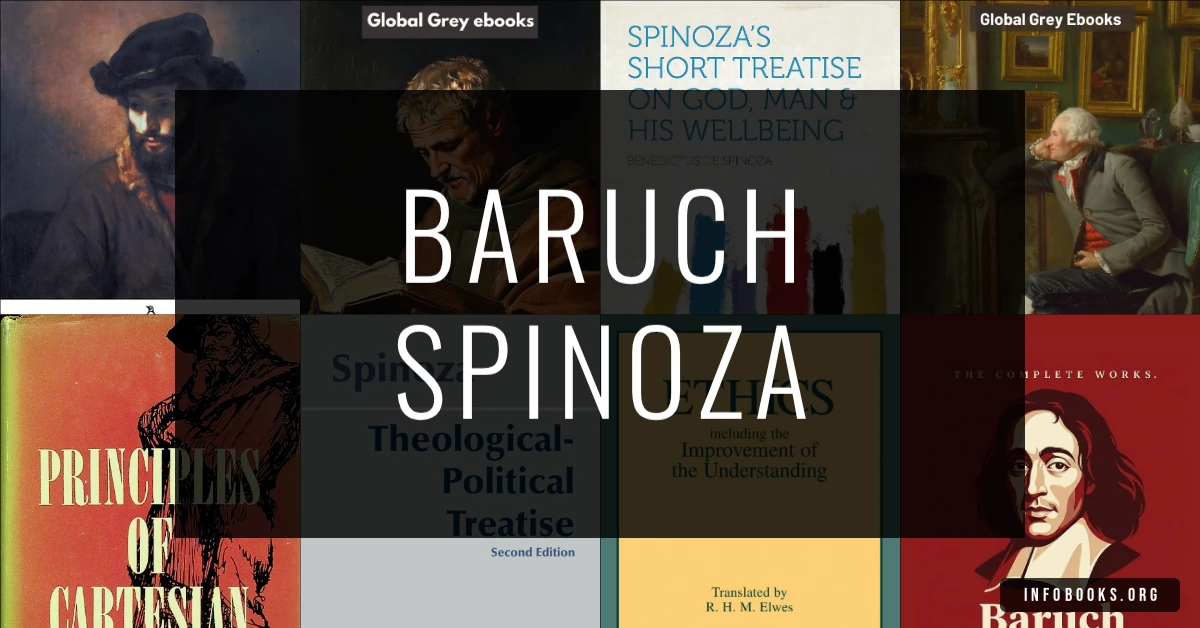
Looking for Baruch Spinoza books? Spinoza (1632-1677) was the Dutch Golden Age philosopher who said God and Nature are one, an idea that got him expelled from the Jewish community of Amsterdam at 23.
Here are 13 free Baruch Spinoza books in PDF, from the Ethics and the Theological-Political Treatise to his letters and classic studies of his life. He wrote them while grinding lenses for a living, and they shaped rationalism, the Enlightenment and the modern idea of freedom of thought.
Start with the short Treatise on the Improvement of the Understanding, then move on to the Ethics. Every book is free to read online or download as PDF.
Download every book on this page in one click
Sign in with Google and grab them all without going one by one.
We will redirect you to accounts.google.com to complete sign-in.
Email and name only · We never send spam
Download every book on this page in one click
Get them all together, without going one by one.
Direct download · One ZIP file
Download started. Check your downloads folder for the ZIP.
Spinoza's Ethics and Metaphysics
The Ethics is Spinoza's masterpiece, written like a geometry book that moves from God or Nature to the mind, the emotions and freedom. Alongside it you will find the shorter works that led up to it, including his reading of Descartes and the Short Treatise.
Spinoza's Political and Religious Writings
When Spinoza's Theological-Political Treatise appeared in 1670, critics called it a book forged in hell for reading the Bible as history and defending freedom of thought. His unfinished Political Treatise and his letters show how he argued for democracy, reason and a free state.
Books About Spinoza
These classic studies explain Spinoza's life and his system, from his years in Amsterdam and The Hague to each part of the Ethics. They are a good companion if the Ethics feels hard on a first read.
Spinoza still matters to anyone who asks how reason, emotions and freedom fit together. To see the philosopher he answered, read the René Descartes books, or compare his politics with the Thomas Hobbes books.
Discover more great thinkers and writers in our collection of classic authors.
You Might Also Like
Rationalism Books
Descartes, Spinoza, innate ideas. Classic works, debates and histories of the philosophy of reason.
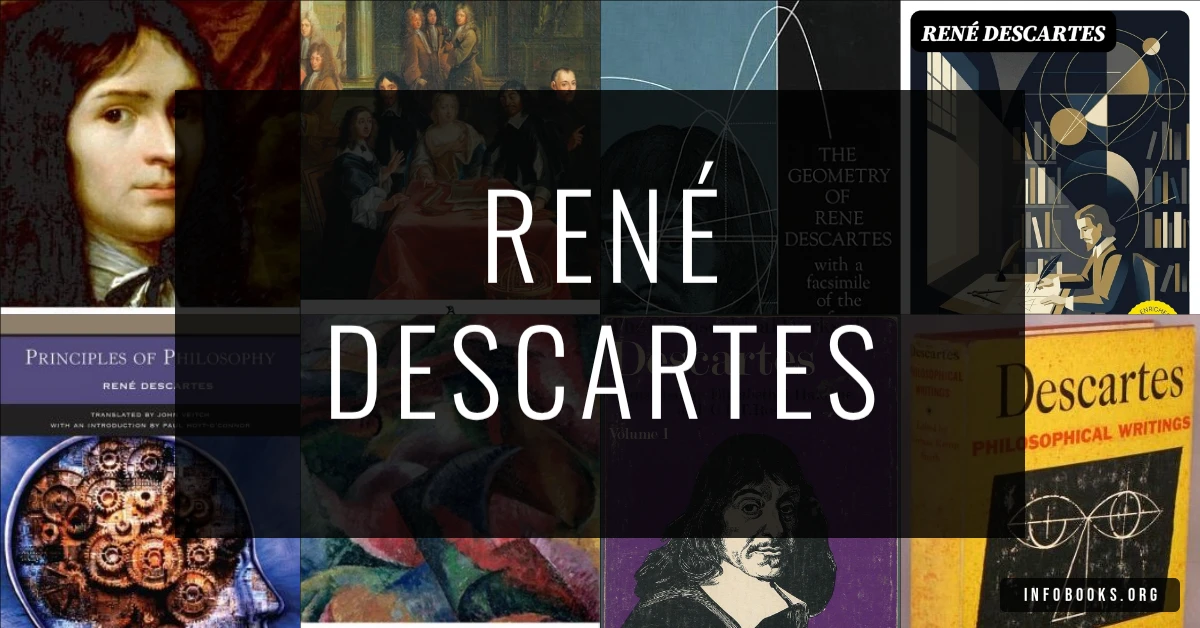
René Descartes Books
René Descartes books, rationalism, modern philosophy. His method, metaphysics and mathematics, from the Discourse to The Geometry.
Thomas Hobbes
Leviathan, social contract, sovereignty. The philosopher who explained why we need the state.
Ethics Books
Morality, values, right and wrong. Philosophical inquiry into what it means to live well.
Political Philosophy Books
Power, justice, governance. Philosophical reflections on politics and the state.