13 Free Thomas Hobbes Books [PDF]
by InfoBooks
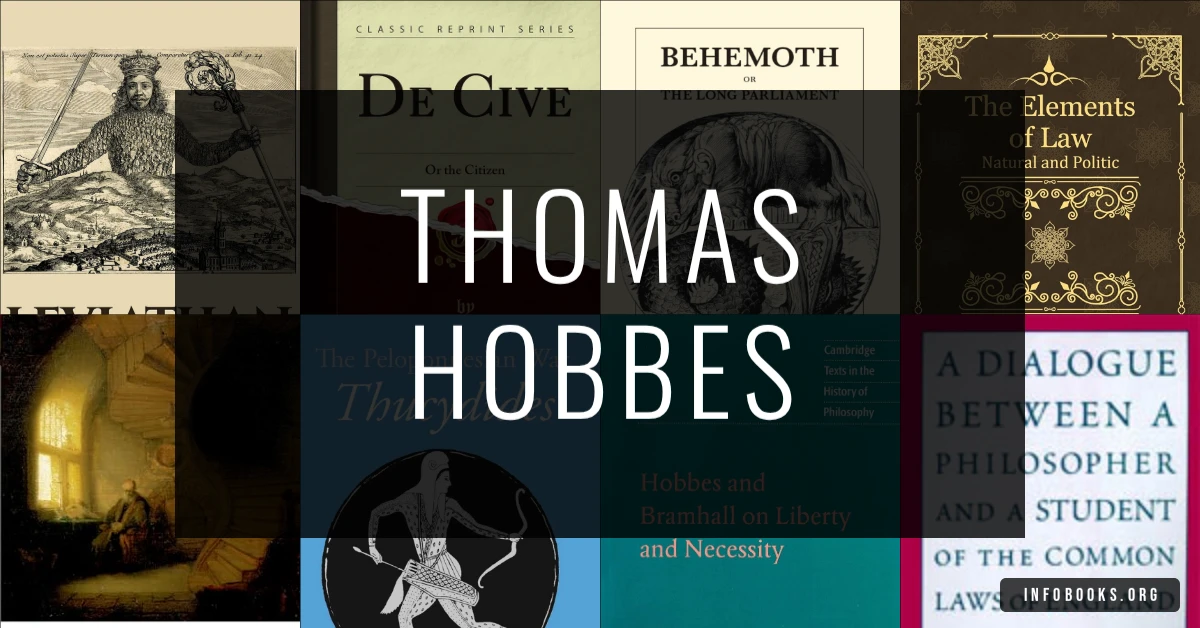
Looking for Thomas Hobbes books? Hobbes was the English philosopher who lived through the English Civil War and wrote Leviathan, the book that launched modern social contract theory.
Here are 13 free Thomas Hobbes books in PDF, from Leviathan and De Cive to Behemoth and his translation of Thucydides. His major works cover political philosophy, human nature, free will and history, written across a 91-year life from 1588 to 1679.
Start with the state of nature and the social contract, or explore the works few readers know. Every book is free to read online or download as PDF.
Download every book on this page in one click
Sign in with Google and grab them all without going one by one.
We will redirect you to accounts.google.com to complete sign-in.
Email and name only · We never send spam
Download every book on this page in one click
Get them all together, without going one by one.
Direct download · One ZIP file
Download started. Check your downloads folder for the ZIP.
Political Philosophy: Leviathan and the Social Contract
In Leviathan, Hobbes pictures life without government as a war of all against all, and a social contract as the way out. De Cive, The Elements of Law and his Dialogue on the common law make the case for a strong sovereign in shorter books.

Human Nature, Body and Free Will
For Hobbes, everything is matter in motion, including human nature, reason and the passions. These books cover his view of the body, his science and his famous debate on free will with Bishop Bramhall.
History, Rhetoric and Translations
Behemoth is Hobbes's history of the English Civil War, a book Charles II refused to license. His first book was a translation of Thucydides, and in his late eighties he put Homer into English verse.


Hobbes still shapes how we think about power, security and the state. To compare his social contract with a gentler one, read our John Locke books next, or meet Niccolò Machiavelli, who wrote about power more than a century before him.
Want more great thinkers? Browse our full collection of classic authors.
You Might Also Like
John Locke
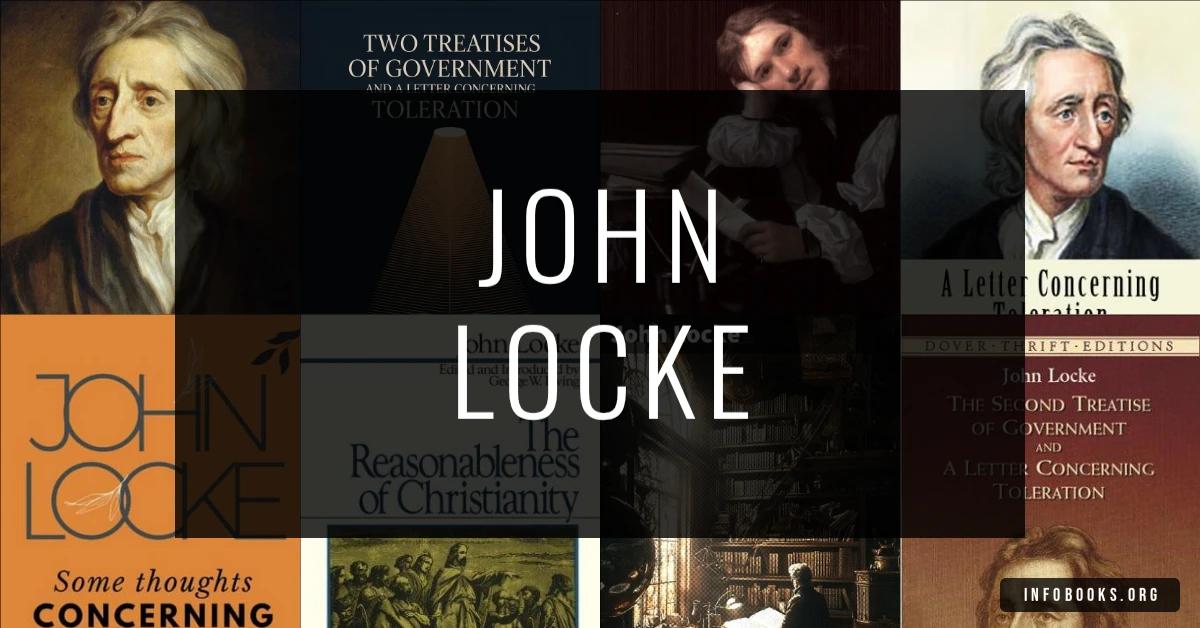
Natural rights, empiricism, toleration. The English philosopher who shaped liberalism and modern government.
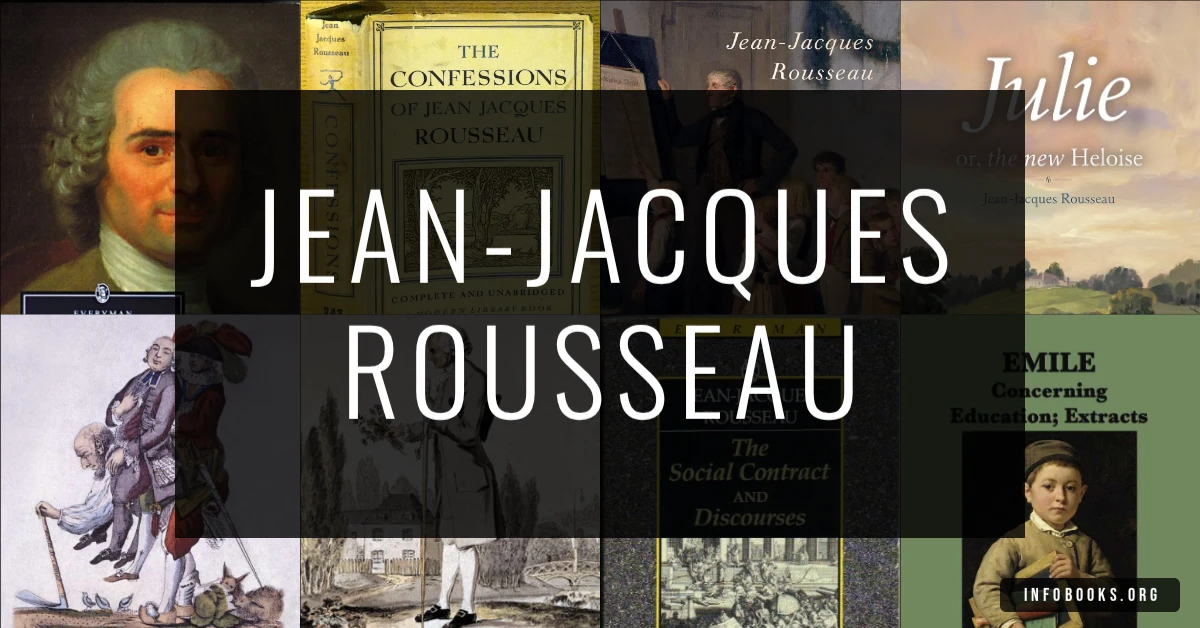
Jean-Jacques Rousseau
Social contract, education, autobiography. The Geneva philosopher who shaped modern democracy and Romanticism.
Political Philosophy Books
Power, justice, governance. Philosophical reflections on politics and the state.
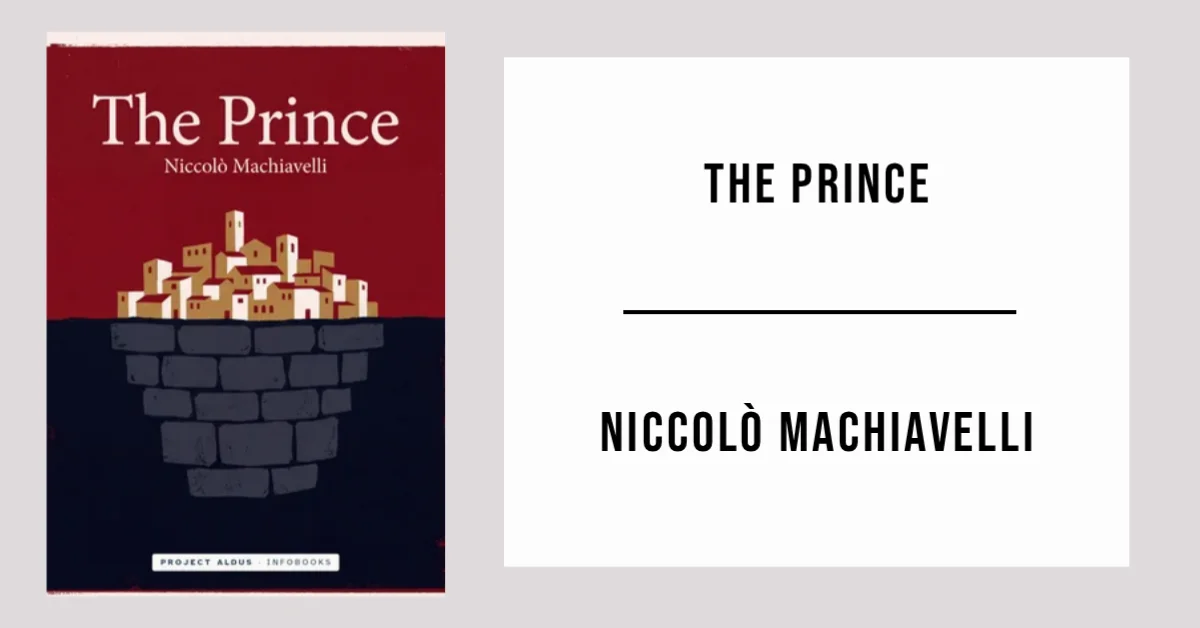
The Prince by Niccolo Machiavelli [PDF]

Philosophy of Law Books
Justice, rights, morality. Philosophical foundations of legal systems.