Taoism, also written Daoism, is the Chinese philosophical and religious tradition built on the teachings attributed to Lao Tzu. Here you will find free PDF books on the Tao Te Ching, the Zhuangzi, and the classics that shaped more than two thousand years of Chinese thought.
The Tao Te Ching is one of the most translated books in history, and several complete versions are here in full text. Next to it we gathered the writings of Zhuangzi and Lieh-Tzu, academic outlines of Taoist history, and clear introductions to the Tao, Wu Wei, and the balance of Yin and Yang.
Download any book on this page with no registration and no payment. Every title is a complete PDF, whether you are starting with a first reading of Lao Tzu or working through the whole Taoist canon.
📚
Download every Taoism book on this page
All the books on this page in one ZIP file, instead of downloading them one by one.
We will redirect you to accounts.google.com to complete sign-in.
Email and name only · We never send spam
Access unlocked
Download every Taoism book on this page
All the books on this page in one ZIP file, instead of downloading them one by one.
Direct download · One ZIP file
Download started. Check your downloads folder for the ZIP.
Tao Te Ching
Books on the Tao Te Ching
Eighty-one short chapters that have been translated into English more than any other Chinese text. These editions include the classic Wang Pi commentary and several complete public domain translations of Lao Tzu.
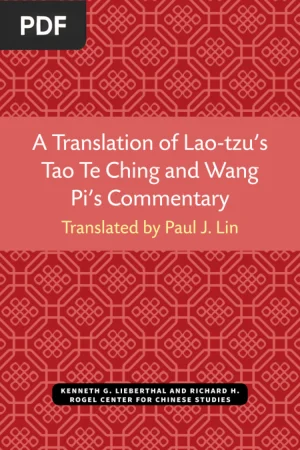
The full Tao Te Ching paired with the third century commentary of Wang Pi, the reading that shaped how the text was understood for centuries. Includes appendices on the life of Lao Tzu and on the differences with the Ma-wang-tui manuscripts.
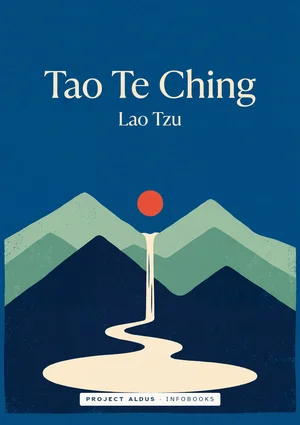
The complete eighty one chapters of the Tao Te Ching in a plain modern English rendering. A short, uncluttered read if you want the text itself without commentary or notes.
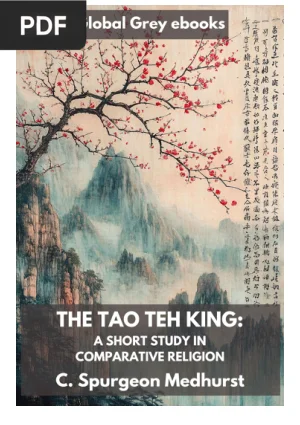
A chapter by chapter translation of the Tao Te Ching with commentary that sets Lao Tzu's ideas beside other religious traditions. The typography is clean and the edition reads well on screen.
Lao Tzu's core sayings arranged by theme rather than by chapter, covering the Tao, virtue, government and the conduct of the sage. A good first contact with the text for readers who find the full Tao Te Ching dense.
Research essays on how the Tao Te Ching has been read, translated and reinterpreted around the world. Useful if you are comparing translations and want to understand why they diverge so much.
A translation and study of the Xiang'er commentary, a Celestial Masters reading of the Tao Te Ching recovered from the Dunhuang caves. Traces how the text was received inside the earliest organized Taoist community.
The Tao Te Ching is the starting point, not the whole canon. Here are the Zhuangzi, the Lieh-Tzu and the other foundational texts of the Taoist tradition.
Legge's landmark translation of the Tao Te Ching together with the first seventeen books of the Chuang Tzu. The single best entry point to the Taoist canon in English.
The second half of Legge's translation, completing the Chuang Tzu and adding the Tai Shang Kan Ying Pien and other Taoist moral tracts. Pairs directly with Part 1.
The complete Chuang Tzu in Herbert Giles's translation, the version that introduced the second great Taoist classic to English readers. Includes the parables and dialogues the book is best known for.
A linguistic and textual study of which parts of the Zhuangzi come from Zhuang Zhou himself and which were added by later hands. The reference work on how the text was put together.
Selections from the Lieh-Tzu, the third of the classical Taoist books, on dreams, chance, effortless skill and the limits of knowledge. Short parables that read easily on their own.
A short Taoist moral tract on quiet virtue and hidden good deeds, translated with extracts from the Chinese commentary and its traditional stories. One of the devotional texts most widely read inside the tradition.
How a philosophical school became an organized religion, and what separates the two. These titles cover the historical development of Taoism and its place alongside Confucianism and Buddhism.
Research essays on where Taoist religion ends and Taoist philosophy begins, covering theories, ritual practice and communities. Open access work from specialists in the field.
A compact comparison of three East Asian traditions, with the Taoist section covering the Tao, Yin and Yang, the deities and temple practice. Built as a slide presentation, so the key points are quick to scan.
A short survey of early Chinese religion, from ancestor worship and divination to the rise of Taoism and its relationship with Confucianism. Gives you the historical background the classics take for granted.
Lectures by the translator of the Taoist canon describing Confucianism and Taoism as living religions and comparing them with Christianity. A landmark study, and a clear record of how Taoism was first read in the West.
A short primer that answers the basic question head on, then walks through the Chuang Tzu, the I Ching and the Taoist view of death. Closes with twenty two common questions and their answers.
A friendly walk through Taoist beliefs written for readers with no background in Chinese thought, covering wu wei, mindfulness and how Taoism applies to everyday decisions. Plain language throughout.
An introduction to Chinese philosophy built around one famous exchange in the Zhuangzi, the debate over whether we can know that fish are happy. A gentle way into Taoist thinking for readers coming from Western philosophy.
Taoism sits at the center of Chinese thought, alongside Confucianism and Buddhism. For the wider picture, browse our Eastern Philosophy books, or see the Alchemy books for the transformation traditions Taoist practice shares.
Want more titles like these? Browse the full collection of Esotericism books.
Send this page to someone who’d love to read it. Everything is free, no sign-up needed.
Esc
Start typing to search...
Searching...
No results found
Try different search terms
Your book is downloading!
If InfoBooks helped you, you can support us in one click: add us as a preferred source on Google. You'll see more of our books when you search, and you'll help us keep sharing free reading with everyone.
Done! Your book is downloading
Know someone who’d enjoy reading it? Send them this page. It’s free, no sign-up needed, and you help us spread the love of reading.