Wine comes with a vocabulary that can feel like a wall. These free wine books in PDF take it down, from telling a red from a white to growing the grapes yourself.
Every book here comes from wine institutes, university extension programs, and public domain archives. You get sensory analysis from researchers, home winemaking manuals, and viticulture guides written for growers in Texas, France and Italy.
Read them online or download the PDF. No signup, no email, no cost.
📚
Download every Wine book on this page
All the books on this page in one ZIP file, instead of downloading them one by one.
We will redirect you to accounts.google.com to complete sign-in.
Email and name only · We never send spam
Access unlocked
Download every Wine book on this page
All the books on this page in one ZIP file, instead of downloading them one by one.
Direct download · One ZIP file
Download started. Check your downloads folder for the ZIP.
Start Here
Books About Wine
Start here if the wine list still intimidates you. These guides cover the basic wine knowledge: grape varieties, label reading, and what separates a red from a white or a sparkling.
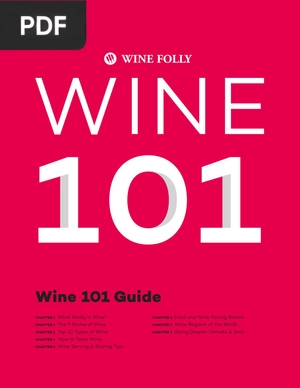
A visual crash course covering the nine styles of wine, the top ten types, and how to taste, serve and store what you pour. Charts and infographics do most of the explaining.
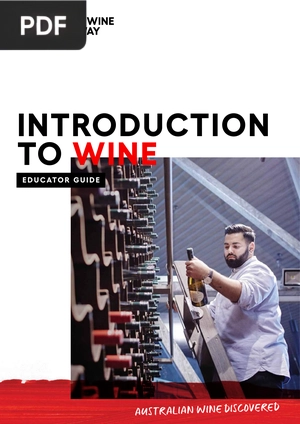
An educator guide built to teach a wine class, with topic notes, discussion prompts and tasting exercises. Useful whether you are running the session or teaching yourself.
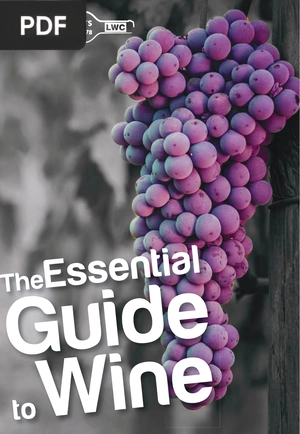
A trade training booklet covering the basics, grape varietals, wine faults, serving, food pairing and how to write tasting notes. Ends with quizzes and blank note pages.
Six chapters on the six grape varieties you meet most often: Merlot, Cabernet Sauvignon, Pinot Noir, Syrah, Riesling and Sauvignon Blanc. Each one gets its regions, its flavors and its story.
Fermentation is the part nobody explains well. These manuals walk the wine making process step by step, from crushing to bottling, at home and at winery scale.
A step by step manual for making white wine at home, from pressing and settling the juice to malolactic fermentation, aging on the lees, fining and bottling. Includes the numbers to hit at each stage.
A short extension guide with the equipment list, the ingredients and the full process, followed by dry and sweet recipes for blackberry, apple, peach, pear and muscadine wines.
Hundreds of home winemaking recipes gathered from the writer who spent 25 years publishing them for free. Fruit wines, flower wines, meads and grape wines, each with quantities and method.
An illustrated treatise from 1856 on planting a vineyard and turning the crop into wine. Covers soil, propagation, pruning and cellar work at a time when American viticulture was being invented.
A grower's overview of wine grape production in Texas: site selection, soils, water, varieties and the economics of planting vines instead of row crops.
Twelve chapters from extension viticulturists on site selection, variety choice, vineyard establishment, pruning, canopy management, pest control, nutrition and frost protection. Includes a cost and investment analysis.
A practical treatise from one of the founders of American viticulture, covering vineyard planting, grape varieties and cellar practice. Written for growers working outside the classic European regions.
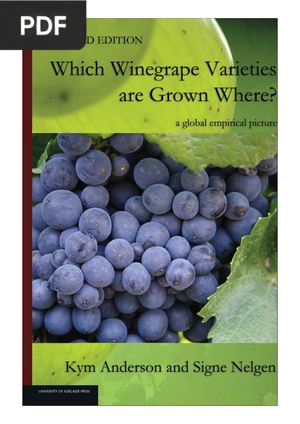
A statistical atlas of the world's vineyards, mapping how much of each variety is planted in every producing country. Hundreds of tables and charts for anyone who wants the numbers behind the labels.
Tasting is a skill, not a talent. These books teach the sensory analysis that sommeliers train for, plus how to spot faults and write notes you can still read next week.
A tasting handbook written for the California State Viticultural Commission in 1892. Explains how wines are classified, what to look for in the glass, and how to recognize the faults that spoil a bottle.
The book that turned wine writing into a literary form. A scholar goes through his cellar bottle by bottle and records what he drank, what it cost and what it was worth.
A wine historian walks through what wine is, how it is made and how it should be served and judged. Written by the man who spent his life documenting the trade.
Wine has been documented for as long as we have been writing. These historical treatises travel from ancient India to the port lodges of Portugal and the vineyards of Madeira.
A history of port and the city that built it, from the vineyards of the Douro to the lodges where the wine ages. Includes the trade records and the merchant houses that ran it.
A study of what the Sanskrit sources say about wine: the drinks that were made, who was allowed to drink them and what the law and the priesthood had to say about it.
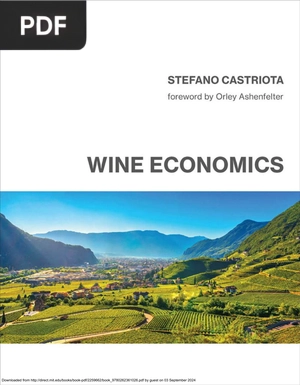
An academic study of how the wine market actually works: consumption, quality and price, competition, finance, asymmetric information and regulation. The most rigorous book on this page.
What it takes to open a winery, from the buildings and the equipment to the permits, the staffing and the cash flow. Written by a researcher who spent decades advising growers.
A trade textbook from 1920 covering the wines of every producing region, how they were classified and how they were sold. The reference a wine merchant was expected to know by heart.
How growers can sell what they harvest: direct sales, wholesale, value added products, and the pricing and regulatory questions attached to each route.
Send this page to someone who’d love to read it. Everything is free, no sign-up needed.
Esc
Start typing to search...
Searching...
No results found
Try different search terms
Your book is downloading!
If InfoBooks helped you, you can support us in one click: add us as a preferred source on Google. You'll see more of our books when you search, and you'll help us keep sharing free reading with everyone.
Done! Your book is downloading
Know someone who’d enjoy reading it? Send them this page. It’s free, no sign-up needed, and you help us spread the love of reading.