Horror romance books are where desire and dread refuse to stay apart. Every title here is a story of forbidden love that turns deadly.
Bram Stoker wrote a count who courts his victims. Sheridan Le Fanu gave the vampire a lover's face, and Mary Shelley built a creature whose only wish was to be loved back.
These are the books that shaped the dark romance canon long before the label existed. Read them online or download the PDF now, with no account and no sign-up.
📚
Download every Horror Romance book on this page
All the books on this page in one ZIP file, instead of downloading them one by one.
We will redirect you to accounts.google.com to complete sign-in.
Email and name only · We never send spam
Access unlocked
Download every Horror Romance book on this page
All the books on this page in one ZIP file, instead of downloading them one by one.
Direct download · One ZIP file
Download started. Check your downloads folder for the ZIP.
Novels
Horror Romance Novels
These are the long ones, the books that give the dread time to settle in. Horror romance novels like Wuthering Heights and Frankenstein built the genre around obsession, and they still hold up.
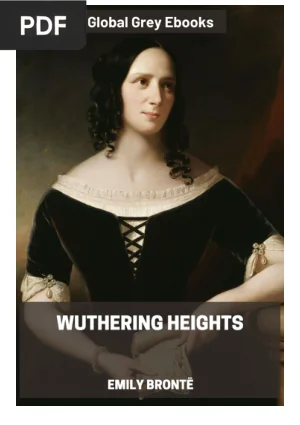
Heathcliff and Catherine destroy each other and everyone around them, and the moors keep the ghost that proves it never ended. The novel that made obsessive love read as horror, in a clean modern edition with a designed cover.
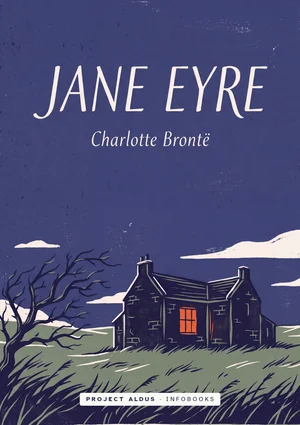
A governess falls for her employer and discovers what he keeps locked upstairs. Bronte built the blueprint for every gothic romance with a secret in the attic, and it reads faster than its length suggests.
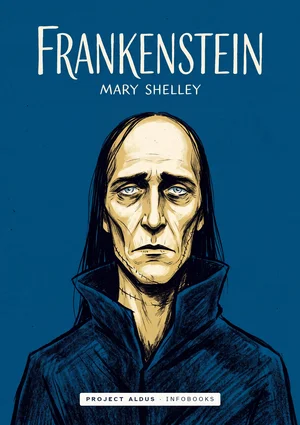
Victor Frankenstein gives life to a creature whose only real demand is to be loved back. Shelley's novel works as horror because the creature is right, and it still reads as the first true work of science fiction.
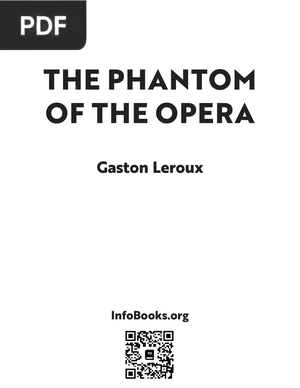
A disfigured genius haunts the Paris Opera and shapes a young singer's career from behind the walls. Leroux mixes obsession, mystery and pity in a way the stage adaptations never quite capture.
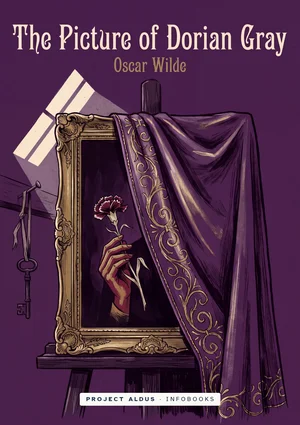
Dorian trades his soul so a portrait ages in his place, then spends the rest of the book finding out what that costs. Wilde's only novel is beautiful, cruel and quotable on almost every page.
The book that invented gothic fiction in 1764: a tyrant, a cursed prophecy, and a bride running through underground passages. Short enough for one sitting and essential to understand everything that came after.
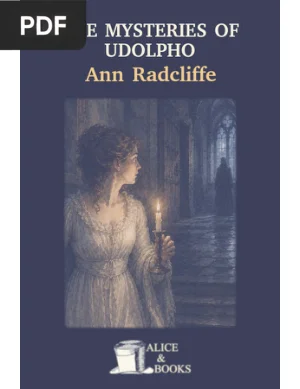
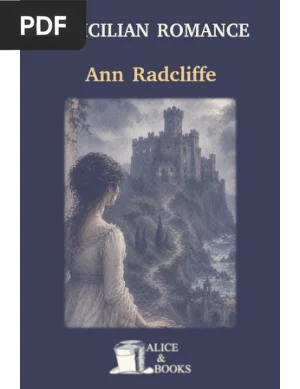
Emily is locked in an Italian castle by the man who wants her inheritance, and every corridor hides something she cannot explain. Radcliffe's masterpiece is the longest read here and the book that taught the genre how to build suspense.
A revered monk is seduced and then falls into crimes that shocked readers in 1796 and still land today. Lewis wrote the most transgressive gothic novel of its century and never apologized for it.
A governess becomes convinced that two ghosts are corrupting the children in her care. James never tells you whether she is right, and that unresolved doubt is what keeps the story terrifying.
Radcliffe's early novel sets a young woman against her father's ambition, a sealed wing of the castle, and lights that move where nobody should be. Faster and shorter than Udolpho, and a good place to start with her.
An ancient Egyptian entity follows a rising politician to London and dismantles the people closest to him. Published the same year as Dracula and outsold it, with a shapeshifting villain stranger than anything Stoker wrote.
A surgeon opens a woman's mind to what lies behind the visible world, and the child that results moves through London leaving suicides behind her. Machen's novella is where cosmic horror and seduction meet.
No monster has ever been more romantic than the vampire, and no romance more predatory. These three titles created the template that every vampire love story still copies.
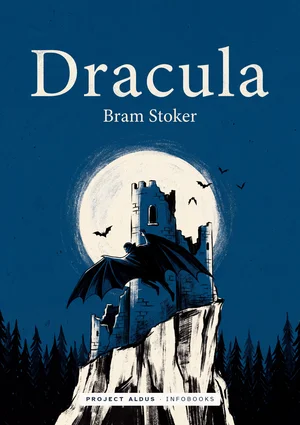
Jonathan Harker travels to Transylvania to close a property deal and finds that his host is something else entirely. Told through letters and diaries, Stoker's novel gave the vampire the face it still wears.
Laura takes in a beautiful stranger after a carriage accident and weakens as their friendship deepens. Le Fanu published it 26 years before Dracula and made the vampire a lover first and a predator second.
The story born from the same 1816 summer that produced Frankenstein, and the first to make the vampire an aristocrat instead of a peasant corpse. This annotated edition adds context on Byron, Polidori and the birth of the genre.
Short enough to finish tonight, sharp enough to keep you up afterwards. Each of these horror romance stories delivers its full blow in a single sitting.
A ghost who has terrorized an English castle for three centuries meets an American family that refuses to be scared. Wilde turns the haunted house story into comedy and then, in the last pages, into something genuinely moving.
A man loses the wife he worshipped, remarries without love, and watches the second wife die. Poe's own favorite among his tales, and the purest version of his obsession with the beautiful dead woman.
A wounded traveler shelters in an abandoned chateau and reads the history of the portrait hanging beside his bed. Four pages, one idea, and an ending that lands like a slap.
A woman is confined to an upstairs room for a rest cure and begins to see something moving in the wallpaper. Gilman wrote it from experience, and it works as a ghost story and as an indictment of a marriage at the same time.
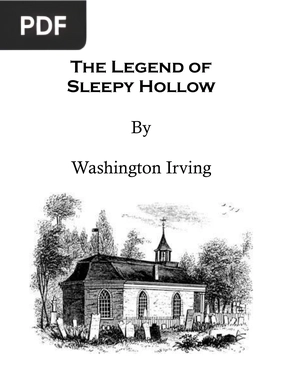
Ichabod Crane courts a wealthy farmer's daughter and rides home past the bridge where the Headless Horseman is said to wait. Irving's illustrated tale is as much about a rivalry over a girl as it is about the ghost.
A convalescing soldier lodges with a decayed Spanish family and falls for a daughter who begs him to leave. Stevenson builds his dread out of bloodline and desire rather than monsters.
A painter swears an oath to his cousin, breaks it, and learns that she intends to hold him to it anyway. Braddon delivers one of the sharpest ghost stories of the Victorian era in seven pages.
Two stone knights lie in a village church, and local legend says they walk once a year. Nesbit's best known horror story turns on a husband who does not believe his wife until it is too late.
A lonely student takes in a woman he meets by the guillotine on a stormy night in Paris. Six pages, and the final line is one of the most quoted endings in the gothic tradition.
Two identical twin brothers love the same woman, and one of them goes over the side in the night. Crawford tells a ghost story at sea where the horror is entirely a matter of who came back.
If InfoBooks helped you, you can support us in one click: add us as a preferred source on Google. You'll see more of our books when you search, and you'll help us keep sharing free reading with everyone.