These advertising books in PDF cover the craft from every angle. You will find copywriting classics, the first studies on why ads persuade, and the history of the industry.
Some were written by the people who invented modern advertising. Claude Hopkins tested every headline he wrote, and Walter Dill Scott was the first psychologist to study how ads win attention.
You will also find open access textbooks on how an advertiser plans a campaign. Every book opens in your browser and downloads for free.
📚
Download every Advertising book on this page
All the books on this page in one ZIP file, instead of downloading them one by one.
We will redirect you to accounts.google.com to complete sign-in.
Email and name only · We never send spam
Access unlocked
Download every Advertising book on this page
All the books on this page in one ZIP file, instead of downloading them one by one.
Direct download · One ZIP file
Download started. Check your downloads folder for the ZIP.
Textbooks
Advertising Textbooks
Start here if you want the full picture of advertising. These textbooks explain how a campaign is planned, which media to choose, and how agencies work with the advertiser.
An open textbook that walks through the whole promotion process: consumer behavior, brand strategy, creative messages, media planning, sales promotion and measuring results. Each chapter pairs the theory with real campaigns and practical exercises.
A complete course on the basics of advertising: types of ads, media, agencies, budgets, appeals, copywriting, layout and campaign planning. It also covers how ads are tested before and after they run.
A course on managing advertising, from setting objectives and budgets to message strategy, media planning and campaign creation. It closes with how agencies are organized and how they work with the advertiser.
The textbook New York University built its advertising program on, written by an advertiser, a psychologist, a copywriting professor and a design expert. It covers markets, the psychology of appeal, copy, layout, typography and media.
Harry Tipper, Harry L. Hollingworth, George B. Hotchkiss, Frank A. Parsons
One of the founders of the modern ad agency explains how advertising really works as a business: agencies, copy, art, mediums, campaigns and the advertising manager. Calkins was among the first to treat design as a selling tool.
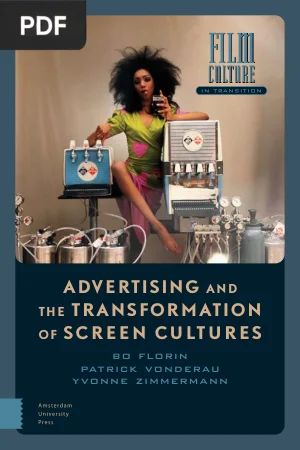
A study of how the advertising industry works alongside film, art and entertainment, built on case studies and interviews with agency leaders. It explains how agencies are rethinking creative teams, business models and collaboration.
Copywriting is where advertising turns into words that sell. Claude Hopkins wrote Scientific Advertising in 1923, and copywriters still recommend it as the first book to read.
Claude Hopkins' 1923 classic on writing ads that sell, based on tested results instead of guesswork. It covers headlines, offering service, samples, test campaigns and why specific claims beat vague ones.
Claude Hopkins tells how he became the best paid copywriter of his time and the lessons behind his campaigns for brands like Pepsodent and Palmolive. It is the companion volume to Scientific Advertising.
A full course in copywriting by the head of the advertising program at New York University. It explains how to plan a message, write headlines and body copy, choose the right tone and adapt the text to each medium, with hundreds of real ads as examples.
A practical guide to the mental process behind a good ad, from studying the product and the reader to writing the headline and the argument. Hall includes many before and after examples of copy.
A short, direct book on applying scientific management to advertising and selling. Casson argues that every ad should be planned, measured and improved like any other part of the business.
Twenty short essays that argue for advertising through memorable stories, like the clockmaker whose product nobody could read. A quick read on why a business that stays silent gets forgotten.
Why does one ad stick while another is forgotten in seconds? Walter Dill Scott asked that question in 1903, and these books follow the answer from attention and memory to advertising literacy.
The founding book of advertising psychology, by the first psychologist to study ads in the lab. Scott explains how attention, memory, suggestion, habit and emotion decide whether an ad works.
Scott's first book on how the principles of psychology apply to advertising. It studies perception, association of ideas, illusions and the direct command, with real ads from the period as examples.
A psychologist explains how buyers respond to ads and sales talks: attention, interest, persuasion and the value of each appeal. It is based on lectures given to the Advertising Men's League of New York.
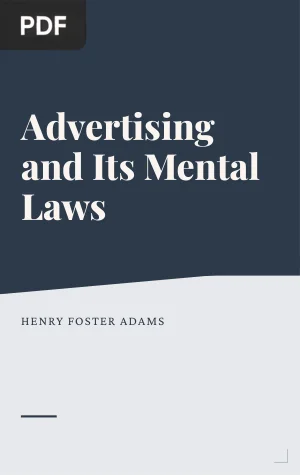
An experimental study of what makes an ad noticed and remembered. Adams tests size, position, color, repetition and illustration, and turns the results into practical rules for advertisers.
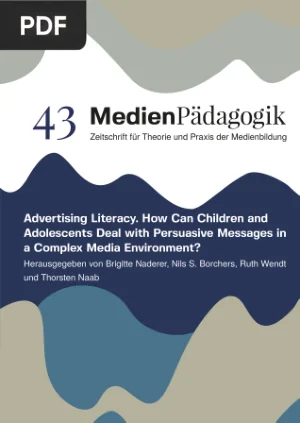
Recent research on how children and teenagers recognize and deal with persuasive messages, from influencer posts to advergames. It explains what advertising literacy is and how it can be taught.
Brigitte Naderer, Nils S. Borchers, Ruth Wendt, Thorsten Naab
Advertising is much older than television. These books trace print advertising from old posters and newspaper notices to the rise of mass advertising and the screen.
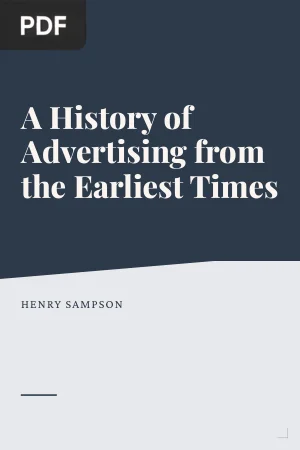
A lively history of advertising from ancient signs and town criers to the newspaper notices and posters of Victorian London. It is full of curious specimens, anecdotes and facsimiles of old ads.
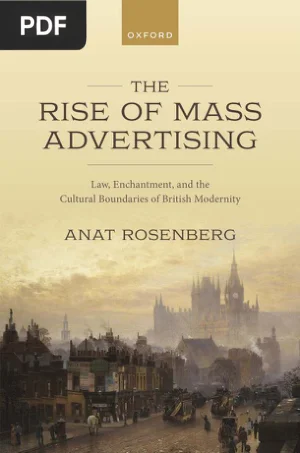
How advertising exploded in Victorian and Edwardian Britain and how the law tried to keep up with it. Rosenberg shows why ads were seen as a kind of modern magic and what that meant for culture and regulation.
A history of advertising on screen, from early cinema commercials to television and online video. The authors show how ads shaped the way films were made, shown and watched.
A 1910 guide to billboards and posters as an advertising medium, written by the ad manager of a major soap maker. It includes 32 pages of full color posters used by national advertisers of the time.
A collection of old newspaper ads from colonial Boston and Salem, with notes on what they reveal about daily life. A fun and quick look at how people sold goods and services centuries ago.
These advertising books give you the classics and the modern research in one place. For the wider strategy behind every ad, browse our marketing books.
Want more? Explore the full collection of Business Books in PDF.
Send this page to someone who’d love to read it. Everything is free, no sign-up needed.
Esc
Start typing to search...
Searching...
No results found
Try different search terms
Your book is downloading!
If InfoBooks helped you, you can support us in one click: add us as a preferred source on Google. You'll see more of our books when you search, and you'll help us keep sharing free reading with everyone.
Done! Your book is downloading
Know someone who’d enjoy reading it? Send them this page. It’s free, no sign-up needed, and you help us spread the love of reading.